
Picking
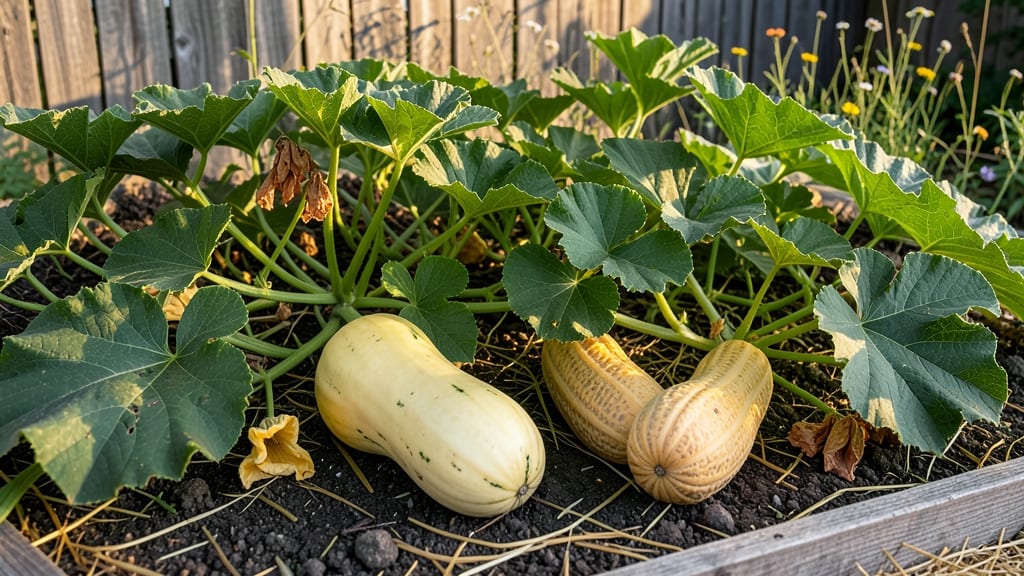
Deciding between yellow squash and spaghetti squash comes down to texture, flavor, and your kitchen plans. 🌱 I’ve grown both for years, and while they share the same family, their growing habits and harvests couldn’t be more different—one’s a summer staple, the other a winter showstopper.
Yellow squash thrives in warm soil and produces 5-7 pounds of tender, edible-skinned fruit every week once established. It’s the classic "squash every few days" variety, perfect for stir-fries or grilling.
Spaghetti squash, on the other hand, takes 90-120 days to mature, yielding large, fibrous-fleshed fruits that shred like noodles when cooked.
You’ll spot yellow squash in the garden by its bushy vines and 1-2 pound fruits, while spaghetti squash grows on sprawling vines with 3-5 pound fruits that look like giant, bumpy acorns.
Both love full sun and rich soil, but yellow squash is the speedy, high-yield choice, while spaghetti squash rewards patience with its unique texture. For quick harvests and frequent meals, yellow squash wins. For a one-time winter specialty, spaghetti squash delivers. Pick based on your timeline and flavor goals!
The first product explained
Meet your first star of the squash show: yellow squash! 🌱🍽️ If you're looking for a versatile, easy-to-grow veggie that packs a punch in flavor and nutrition, this is your go-to. Let’s break down why gardeners and chefs alike can’t get enough of it.
📏 Specs & Features
Yellow squash, scientifically known as Cucurbita pepo, is a summer squash variety that’s harvested young—typically when its skin is still tender and edible. Here’s what sets it apart:
- Size & Shape: Typically 6–9 inches long with a smooth, cylindrical shape and vibrant yellow skin.
- Flesh: Light green, tender, and slightly sweet with a mild, nutty flavor.
- Growth: Fast-growing (60–70 days to maturity) and thrives in warm climates (zones 3–11).
- Versatility: Perfect for sautéing, grilling, stuffing, or spiralizing into "zoodles."
🎯 Target Users
Yellow squash is a crowd-pleaser, but it’s especially loved by:
- Home gardeners who want a low-maintenance, high-yield crop.
- Health-conscious cooks seeking a low-calorie, nutrient-dense ingredient (rich in vitamin C, vitamin A, and fiber).
- Meal preppers who enjoy quick-cooking, adaptable dishes (think stir-fries, soups, or casseroles).
- Beginners in the kitchen—its mild taste makes it easy to pair with bold flavors.
$ Price Point & Value
Yellow squash is a steal! Here’s the scoop:
- Seed Cost: $1–$3 per packet (affordable for home gardens).
- Market Price: $1–$3 per squash (varies by season and location).
- Value Boost: One plant can produce 6–10 squash, making it a budget-friendly staple.
- Pro Tip: 💡 Buy organic or grow your own to avoid waxy coatings and maximize freshness!
Whether you're picking from the garden or the grocery store, yellow squash is a winner for its simplicity, flavor, and flexibility. Ready to meet its spaghetti-squash counterpart? Let’s dive in!
The second product explained
If you’re hunting for a squash that turns into spaghetti-like strands when cooked, spaghetti squash is your star player! 🍝 This unique variety is a favorite among gardeners and chefs alike for its versatile texture and mild, slightly sweet flavor.
Let’s break down why it might be the perfect addition to your garden or kitchen.
🌱 Specs & Features
Spaghetti squash is a winter squash with a cylindrical shape, typically weighing between 4 to 8 pounds when mature. Its yellow-orange skin is slightly ribbed, and its seeds are embedded in a stringy, pasta-like flesh—hence the name!
When cooked, the flesh separates into long, silky strands that mimic fettuccine or spaghetti, making it a low-carb, gluten-free alternative to traditional pasta.
- Size: 8–12 inches long, 4–8 lbs
- Color: Yellow-orange rind, pale yellow flesh
- Texture: Stringy, spaghetti-like when cooked
- Flavor: Mild, slightly sweet, nutty
- Growing Season: 90–110 days (warm climate, full sun)
- Storage: Up to 3 months in a cool, dry place
🎯 Target Users
Spaghetti squash is a game-changer for health-conscious cooks, low-carb dieters, and pasta lovers looking for a creative twist. It’s also a great pick for gardeners who want a fun, productive plant with a unique harvest. Here’s who benefits most:
- 🍽️ Low-carb/ketogenic dieters (only ~10g net carbs per cup)
- 🌿 Gluten-free pasta enthusiasts (naturally GF and versatile)
- 👨🍳 Home cooks experimenting with veggie-based dishes
- 🌱 Gardeners seeking a visually interesting, productive plant
- 📸 Food photographers and influencers (its strands look chef’s kiss
💰 Price Point & Availability
Spaghetti squash is widely available in grocery stores (especially in fall/winter) but can be pricier than yellow squash due to its niche appeal. Prices typically range from:
- Store-bought: $3–$6 per squash (organic or specialty stores may cost more)
- Garden-grown: Seeds cost ~$2–$4 per pack, but yields are high (1–3 squash per plant)
- Farmers’ markets: Often $4–$7, depending on size and demand
Pro tip: 💡 Buy smaller squash (4–6 lbs) for better texture—they’re easier to cook and less watery!
Head-to-head comparison
Ready to dive into the showdown? Let’s break down yellow squash vs. spaghetti squash side by side so you can pick the perfect one for your garden—or your plate!
Whether you’re a home cook, a gardener, or just curious, this comparison will help you decide which squash steals the spotlight. 🥒🍝
🌱 Growth & Appearance
First impressions matter, and these two squashes couldn’t look more different!
- Yellow Squash (Summer Squash):
- 🌿 Shape & Size: Sleek, cylindrical, and typically 6–9 inches long. Think of a classic "zucchini" but with a golden hue.
- 🌞 Color: Bright, sunny yellow (hence the name!) or sometimes greenish-yellow. Some varieties even have stripes!
- 🍃 Skin: Smooth and tender, perfect for peeling or slicing raw.
- Spaghetti Squash:
- 🏺 Shape & Size: Large, round, and football-shaped, weighing 5–10 pounds when mature. It’s a showstopper!
- 🟠 Color: Pale yellow or ivory when ripe (green when unripe). It’s the "pasta" of the squash world!
- 🧅 Skin: Thick and tough—you’ll need to roast or boil it to soften before scooping out the "spaghetti."
🍽️ Culinary Uses & Texture
How you plan to use your squash will dictate which one wins your heart.
- Yellow Squash:
- 🍳 Versatility: Raw, grilled, sautéed, or spiralized! It’s the chameleon of the squash family. Try it in salads, fritters, or even as a zucchini substitute.
- 🥗 Texture: Tender, slightly sweet, and crisp when raw. Cooking mellows its flavor but keeps it firm.
- 🌿 Best For: Quick meals, snacks, or dishes where you want a mild, fresh taste.
- Spaghetti Squash:
- 🍝 Versatility: Roasted, baked, or mashed into a "noodle" texture. It’s a low-carb, gluten-free pasta alternative!
- 🍴 Texture: Stringy and fibrous when cooked—like spaghetti! The flesh pulls apart into long, silky strands.
- 🎯 Best For: Hearty meals, pasta dishes, or when you want a fun, interactive dining experience (kids love picking out the "noodles"!).
📊 Nutritional Showdown
Both squashes pack a nutritional punch, but they’re not identical. Here’s how they stack up per 100g (raw, unless noted):
| Yellow Squash | Spaghetti Squash (cooked) | |
|---|---|---|
| Calories | 22 kcal | 42 kcal |
| Carbohydrates | 5.2g | 10.3g |
| Fiber 💪 | 1.5g | 2.2g |
| Vitamin A 🍎 | 430 IU (8% DV) | 1,560 IU (31% DV) |
| Vitamin C 🍊 | 17.8mg (19% DV) | 23.7mg (26% DV) |
| Potassium ⚡ | 240mg (5% DV) | 340mg (7% DV) |
Winner? Spaghetti squash edges out yellow squash in calories and carbs, but yellow squash is lower in sugar and slightly more hydrating. Both are low in fat and cholesterol-free—a win for health-conscious eaters! 🥗
💰 Price & Availability
Your wallet (and pantry) will thank you for knowing where to find these squashes.
- Yellow Squash:
- $0.50–$1.50 per squash (farmers' markets or grocery stores).
- 🌱 Season: Summer to early fall (peak in July–August).
- 🛒 Where to Buy: Easy to find year-round in stores, but fresher in season.
- Spaghetti Squash:
- $2–$5 per squash (larger sizes cost more).
- 🍂 Season: Late summer to fall (peak in September–October).
- 🛒 Where to Buy: Less common in grocery stores; check specialty markets or harvest your own!
Pro Tip: 💡 If you’re growing your own, yellow squash is easier to cultivate and produces more bounty per plant. Spaghetti squash needs more space and time to mature but is a rewarding project!
🌡️ Storage & Shelf Life
Don’t let your squash go to waste—here’s how to keep it fresh!
- Yellow Squash:
- 🧊 Fridge: 5–7 days in a plastic bag (unwashed).
- 🥬 Freezer: Blanch and freeze for up to 12 months (great for meal prep!).
- 🌿 Tip: Smaller squashes stay fresher longer—pick them young!
- Spaghetti Squash:
- 🏠 Room Temp: Up to 2 weeks in a cool, dark place (like a pantry).
- 🧊 Fridge: 3–5 days after cutting (store cooked portions in airtight containers).
- ❄️ Freezer: Cooked spaghetti squash freezes well for 3–6 months.
Pro Tip: 🌡️ Spaghetti squash is at its best when fully mature—wait until it’s hard and heavy for the best "noodle" texture!
🔥
Which one should you choose?
So, which squash reigns supreme in your kitchen? The answer depends on what you're craving—whether it's a creamy, pasta-like texture or a versatile, nutrient-packed veggie for soups, stir-fries, or roasted dishes. Let’s break it down by scenario so you can pick the perfect squash for your next meal! 🍽️
🌱 Pick Yellow Squash If...
- You love bold flavors: Yellow squash has a sweeter, richer taste that shines in dishes where you want that summer veggie vibe.
- You’re meal prepping: Its firm texture holds up better to reheating, making it ideal for lunches or batch cooking.
- You’re watching your carbs: With fewer calories and carbs than spaghetti squash, it’s a lighter option for low-carb diets.
- You’re a fan of versatility: Grill it, spiralize it, or stuff it—yellow squash plays well in almost any dish!
🍝 Pick Spaghetti Squash If...
- You’re craving a low-carb pasta alternative: Its stringy, noodle-like texture is perfect for swapping out spaghetti in comfort foods.
- You’re feeding a crowd: One squash serves multiple people, making it a budget-friendly choice for big meals.
- You love roasted or baked dishes: Its mild flavor lets other ingredients (like garlic, cheese, or marinara) take center stage.
- You’re experimenting with textures: The unique "spaghetti" strands add fun to salads, bowls, or even desserts!
💡 Pro Tip for Picky Eaters:
If you’re unsure which to choose, try both! Roast a yellow squash alongside a spaghetti squash and let everyone pick their favorite texture. You might discover a new favorite—or even a hybrid dish that combines the best of both! 🎉
📊 Final Nutrition Showdown:
| Nutrient | Yellow Squash (per 100g) | Spaghetti Squash (per 100g) |
|---|---|---|
| Calories | 20 kcal | 29 kcal |
| Carbs | 4.7g | 6.5g |
| Fiber | 1.6g | 1.1g |
| Vitamin A | 10% DV | 3% DV |
| Vitamin C | 21% DV | 12% DV |
Winner? Yellow squash takes the crown for lower calories and carbs, while spaghetti squash edges out in fiber and vitamin A. But honestly? Both are winners for your health! 💪
Still unsure? Grab a yellow squash for quick, flavorful meals and save the spaghetti squash for your next pasta night. Happy squashing! 🎉