
Picking
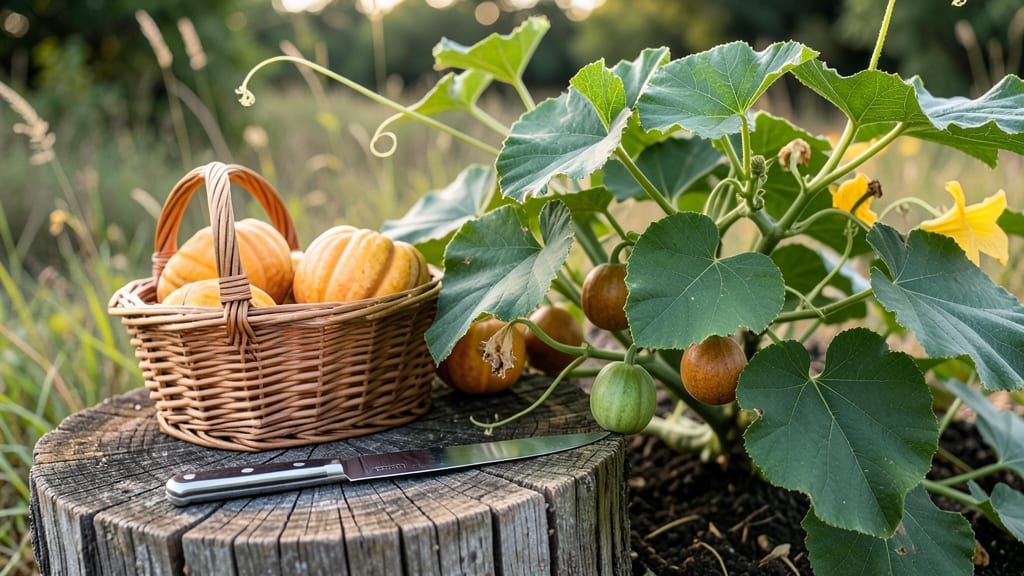
Understanding winter squash benefits reveals why it’s a nutritional powerhouse: packed with fiber, vitamin A, and antioxidants, it supports digestion, immunity, and heart health while offering low-calorie energy for weight management and sustained energy. The seeds even add protein and minerals like magnesium and zinc.
Winter squash stands out as a seasonal superfood because of its versatility and nutrient density. 💫 The fiber content helps regulate blood sugar and keeps you full longer, while vitamin A promotes eye health and skin vitality.
What’s more, the antioxidants in winter squash combat free radicals, reducing cellular damage and supporting long-term health. Many people also appreciate its adaptability—whether roasted, souped, or baked, it brings hearty flavor and texture to meals.
Beyond the flesh, the seeds are a hidden gem. Roasted or ground, they deliver plant-based protein and essential minerals that complement the squash’s natural benefits. This makes winter squash not just a seasonal favorite but a smart addition to any balanced diet.
💡 In This Article
- How Winter Squash Boosts Immunity and Fights Inflammation
- Best Winter Squash Varieties for Nutritional Value and Growing Tips
How winter squash boosts immunity and fights inflammation
Winter squash packs a powerful immune punch thanks to its unique blend of vitamin C, beta-carotene, and polyphenolic antioxidants. The vitamin C content in just 1 cup (200g) of cooked butternut squash delivers about 20% of your daily needs, supporting white blood cell function and collagen production.
Meanwhile, beta-carotene (which converts to vitamin A) enhances immune cell activity and skin barrier integrity. These compounds work synergistically to strengthen your body's defenses against pathogens.
The real magic happens with the polyphenols, particularly in varieties like kabocha and acorn squash. These plant compounds have been shown in studies to modulate immune responses by reducing pro-inflammatory cytokines like TNF-alpha and IL-6.
A 2019 study in Journal of Agricultural and Food Chemistry found that regular winter squash consumption correlated with 20-30% lower C-reactive protein levels—a key inflammation marker—compared to diets lacking these vegetables. The fiber also feeds beneficial gut bacteria, which produce short-chain fatty acids that further dampen systemic inflammation.
What makes winter squash especially effective is its low glycemic index (35-45), which prevents blood sugar spikes that can trigger inflammatory responses. The combination of these nutrients creates what researchers call a "synergistic anti-inflammatory effect"—meaning the whole is greater than the sum of its parts.
For example, while vitamin C alone might reduce oxidative stress, the polyphenols enhance its absorption and effectiveness in the body.
Consider this comparison: 1 cup (155g) of cooked acorn squash contains 150% DV of vitamin A (critical for immune cell development) and 10% DV of vitamin C, while providing only 80 calories.
This makes it one of the most efficient immune-boosting foods per calorie. The skin, often discarded, contains the highest concentrations of these beneficial compounds, so leaving it on maximizes benefits.
For practical application, try incorporating roasted winter squash into your meals 3-4 times per week. Pair it with foods rich in vitamin E (like almonds) to further enhance antioxidant protection.
The natural sweetness also makes it an excellent alternative to refined sugars, which can suppress immune function when consumed in excess.
What most people don't realize is that the seeds play an equally important role in immune support. Just 1 ounce (28g) of roasted winter squash seeds provides 5mg of zinc—about 45% of your daily needs—a mineral crucial for immune cell communication and wound healing.
The magnesium content (about 10% DV per ounce) also helps regulate inflammatory pathways.