
Vegetables
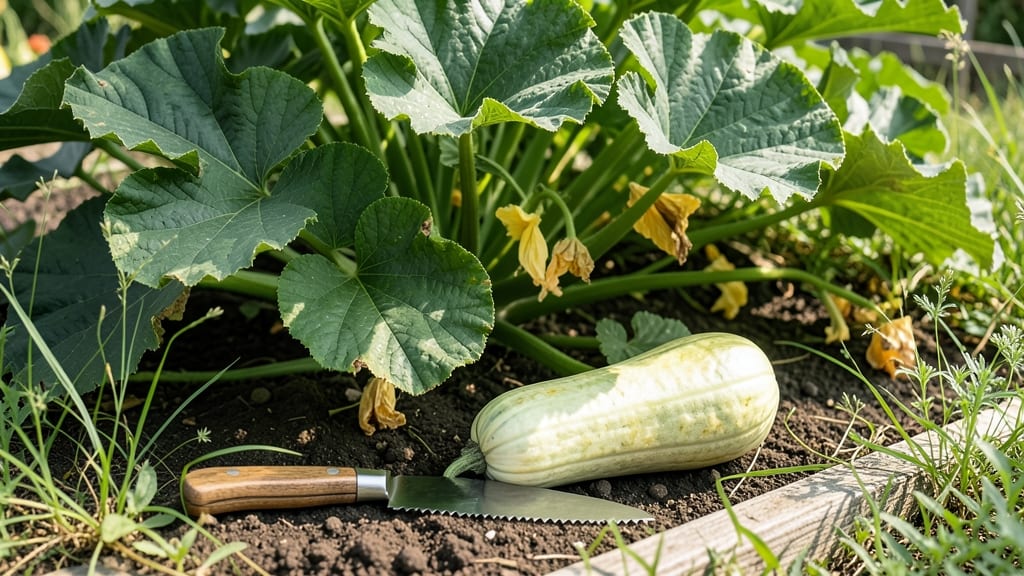
You can freeze cooked spaghetti squash, but the process softens its strands—making it ideal for creamy dishes like soups or casseroles rather than maintaining its pasta-like texture. Blanch for 2 minutes, cool thoroughly, and freeze in airtight containers for up to 3 months.
Freezing cooked spaghetti squash works best when you plan to use it in dishes where texture isn't the star. 🔥 The freezing process breaks down the squash's cell structure, turning those signature strands into a softer, more mash-like consistency.
This makes it perfect for blending into creamy soups or mixing into hearty stews, where the flavor still shines without needing the original texture. I've found that pre-roasting the squash before freezing helps preserve some of its natural sweetness, even if the strands lose their firmness.
When you're ready to use your frozen spaghetti squash, thaw it in the fridge overnight for the best results. Add a splash of broth or sauce while reheating to help restore moisture and prevent dryness.
For dishes like baked mac and cheese or chili, this method actually works to your advantage—creating a richer, more cohesive base that holds together beautifully.
💡 In This Article
- How Freezing Affects Spaghetti Squash Texture and Flavor
- Best Recipes and Methods for Using Frozen Spaghetti Squash
How freezing affects spaghetti squash texture and flavor
Freezing cooked spaghetti squash triggers a cellular breakdown that transforms its signature strands into a softer, almost mash-like consistency. This happens because ice crystals form within the squash's cell walls during freezing, rupturing them and releasing starches.
The squash's natural pectin structure—what gives fresh strands their firmness—weakens under these conditions, resulting in a texture more akin to mashed potatoes than al dente pasta. 🔥 For reference, the moisture content in cooked spaghetti squash sits around 85-90%, which makes it particularly vulnerable to this structural collapse.
The pre-cooking method plays a critical role in how well the squash holds up after freezing. Roasting at 375°F for 30-45 minutes before freezing helps caramelize the natural sugars, preserving more of the original sweetness compared to steamed squash.
However, even roasted squash will lose some of its fibrous integrity—think of it as trading texture for convenience. The flavor profile remains intact, but the mouthfeel becomes creamier rather than stringy.
For comparison, frozen butternut squash undergoes a similar texture shift but retains slightly more structure due to its denser cell composition.
What most people don't realize is how freezing affects the squash's starch behavior. When thawed, the released starches create a slightly gummy texture that works beautifully in creamy dishes but can feel mushy in salads or pasta substitutes.
The key is to use frozen spaghetti squash in recipes where this softer texture is an advantage—like soups or casseroles where it blends seamlessly with other ingredients. 💫 The natural sweetness actually intensifies slightly after freezing, making it perfect for savory applications where you want that caramelized depth without the fibrous bite.
Temperature fluctuations during storage also impact the final texture. Keeping the squash at a consistent 0°F or lower prevents partial thawing, which accelerates cell damage. I've found that using vacuum-sealed bags or heavy-duty freezer containers minimizes air exposure, which can lead to freezer burn and further texture degradation over time.
The ideal storage duration is 2-3 months for peak quality, though it remains usable for up to 6 months if properly sealed.
For those who miss the original strands, there's a workaround: partially cook the squash before freezing. A 2-minute blanch in boiling water followed by an ice bath preserves some structural integrity while still making it safe for freezing.
This method yields a texture that's closer to fresh but still softer—think of it as a compromise between texture preservation and freezer-friendly convenience. The flavor remains vibrant, though, making it a worthwhile trade-off for many dishes.
Consider this science-backed tip: if you're freezing spaghetti squash for soups or purees, skip the blanching step entirely. The direct freezing method actually helps break down the fibers more thoroughly, creating a silky-smooth base that's perfect for blending.
For example, in a creamy pumpkin-spaghetti squash soup, the frozen squash becomes the star ingredient without any noticeable texture issues. 🌟