
Vegetables
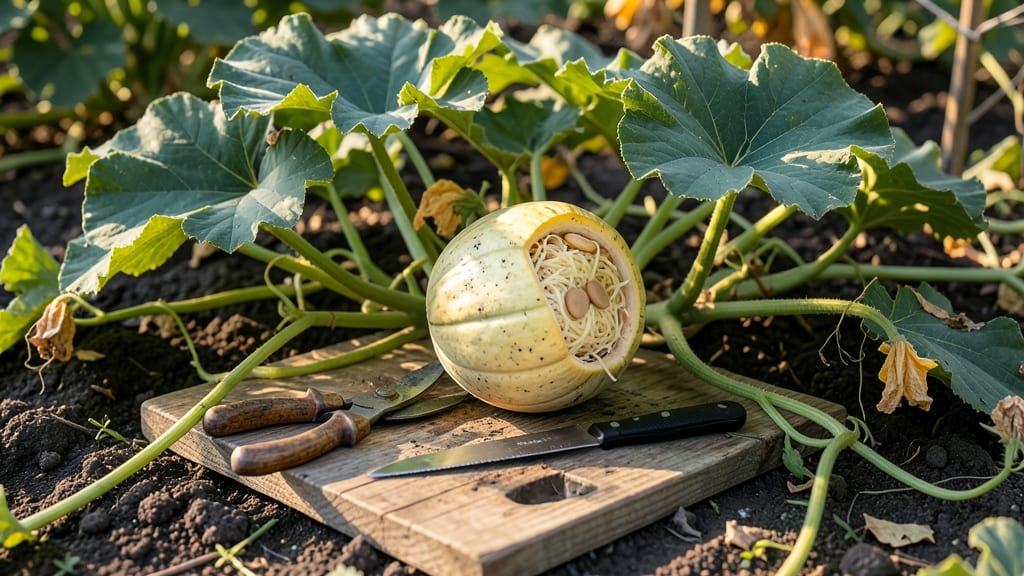
If you’re wondering why is my pumpkin stringy like spaghetti squash, the answer lies in your vine’s hidden stress—water, pollination, or nutrients may be sabotaging that sweet harvest. 🌱 I've seen this turn "jack-o'-lantern material" into inedible gourds, and the fix starts with understanding what went wrong in the growing season.
The most common culprits are inconsistent watering (drought followed by sudden soaking) and failed pollination from bees or wind. Nutrient deficiencies—especially potassium or calcium—can also trigger this fibrous response.
Even the right pumpkin variety matters: some heirlooms naturally develop stringier flesh when stressed, while hybrid types like 'Howden' or 'Sugar Pie' resist it better.
Here's the good news: you can still salvage these pumpkins for cooking—just peel and shred the flesh for soups or bread where texture matters less.
For next year, focus on even moisture (1-1.5 inches per week), hand-pollinate flowers if bees are scarce, and add compost rich in potassium before vines set fruit. The key is preventing stress early.
Discard only if the flesh is hollow or moldy—otherwise, stringy pumpkins are safe to eat, though they won't win any pie contests. The real victory comes when you grow out the problem entirely, and your harvests go from "squashy" to "sweet and solid" every time.
Let's get those vines back on track.
The Science Behind Stringy Pumpkin
When your pumpkin’s flesh resembles spaghetti squash instead of the creamy texture you expected, it’s usually due to a mix of biological and environmental factors. Let’s break down the real culprits behind this fibrous transformation—so you can troubleshoot like a pro next time.
Pumpkins are at their best when harvested at peak maturity, but timing plays a huge role in texture. If picked too early, the flesh remains firm and stringy because the seeds and pulp haven’t fully developed.
Conversely, if left on the vine too long, the sugars convert to starches, and the fibers (which are naturally present) become more pronounced.
🔍 What’s happening?
- Early harvest: Immature pumpkins lack the enzymes needed to soften fibrous strands.
- Late harvest: Overripe pumpkins develop thicker, chewier fibers as cell walls break down unevenly.
💡 Pro Tip: Wait until the stem dries and turns brown before harvesting. For storage pumpkins (like butternut), aim for a hard rind and a dull sound when tapped.
Not all pumpkins are created equal! Some varieties—like spaghetti squash’s close relatives—are bred to have fibrous flesh. Even within "meatier" pumpkins (e.g., sugar pumpkins, kabocha), genetics can lead to stringiness.
📊 The breakdown:
| Pumpkin Type | Fiber Likelihood | Why? |
|---|---|---|
| Sugar Pumpkin | Low | High moisture, low fiber |
| Spaghetti Squash | Very High | Naturally fibrous strands |
| Kabocha (Japanese) | Moderate | Thicker skin = denser fibers |
| Longneck (e.g., Turban) | High | Longer growing season = more fiber development |
✨ Fix it: If you love creamy pumpkin but keep getting strings, try sugar pumpkins or smaller varieties like Cinderella or Jack Be Little—they’re bred for tender flesh.
Pumpkins are not designed for long-term storage like potatoes or squash. Exposure to moisture, temperature swings, or ethylene gas (from other fruits/veggies) accelerates fiber development.
🌡️ Storage Mistakes to Avoid:
- Too cold (<50°F/10°C): Slows enzyme activity, leaving fibers tough and unyielding.
- Too warm (>70°F/21°C): Speeds up starch breakdown, making flesh gummy or stringy.
- High humidity: Encourages mold and uneven cell degradation, worsening texture.
🔥 Storage Hack: Keep pumpkins in a cool (55–60°F/13–16°C), dry, and dark place (like a basement). If storing long-term, cure them first (leave in the sun for 10 days to harden the skin).
Even the perfect pumpkin can turn stringy if not cooked correctly. Boiling or steaming (common for soups) can make fibers mushy but still visible, while roasting or baking can dry them out into chewy strands.
👨🍳 Cooking Blunders:
- Boiling too long: Breaks down pectin (natural softener) unevenly, leaving fibers intact.
- Microwaving on high: Creates uneven heat, making some areas rubbery while others stay fibrous.
- Undercooking: Raw pumpkin flesh has tight cell structures that resist softening.
🥘 Best Cooking Fixes:
- Roast at 400°F (200°C): Poke holes, brush with oil, and bake until fork-tender (45–60 mins).
- Steam with a twist: Add a splash of apple cider vinegar (breaks down fibers naturally).
- Blend into soups/purees: Fibers disappear when finely processed (but watch for gritty texture if over-blended).
🎯 Key Takeaway: Stringy pumpkin is usually a combo of harvest timing, genetics, and storage/cooking errors. By tweaking one (or all) of these factors, you’ll go from spaghetti-like disappointment to silky-smooth success!
Fixing Fibrous Pumpkin Texture
If your pumpkin’s flesh is stringy and squash-like, don’t toss it—fix it! The good news is that most causes have simple, practical solutions. Below, we’ve mapped the most common culprits to step-by-step fixes, plus tips to keep your pumpkin tender and delicious every time.
Fix: Time your harvest and storage carefully.
- 🍂 For overripe pumpkins: If the skin is soft or cracked, the flesh is likely past its prime. Instead of cooking, try roasting the seeds (if still intact) or blending the flesh into soups—texture won’t matter as much.
- 🍳 For underripe pumpkins: If the pumpkin feels hard and the flesh is fibrous, let it cure for 1–2 weeks in a warm, dry place (like a sunny windowsill) before cooking. A fully ripe pumpkin will have a firmer skin and creamier flesh.
- ⏰ Prevention: Harvest when the stem is dry and the skin is hard. Store in a cool, dark place (50–55°F) for up to 3 months.
Fix: Adjust your technique for tender results.
- 🔪 For roasting: Cut the pumpkin into 1-inch cubes (not slices) and roast at 375°F (190°C) for 25–30 minutes with a drizzle of oil and salt. Smaller pieces cook faster and stay tender.
- 🥘 For boiling or steaming: Boil or steam whole wedges (not chunks) for 15–20 minutes until a fork pierces easily. Overcooking turns pumpkin mushy, but undercooking leaves it tough.
- 🌡️ Prevention: Use a meat thermometer—pumpkin is done at 185°F (85°C). Avoid microwaving large pieces; it creates uneven cooking.
Fix: Choose the right pumpkin for your dish.
- 🎯 For soups/purees: Use sugar pumpkins (like Sugar Pie or Cinderella) or Kabocha—their flesh is naturally dense and sweet.
- 🍗 For roasting/sautéing: Opt for smaller, denser varieties like Jack Bees or Fairytale, which hold their shape and stay tender.
- ✨ Prevention: If you love spaghetti squash texture, try delicata squash—it’s naturally stringy when cooked but sweeter and easier to work with.
Fix: Store cooked pumpkin properly to avoid drying out.
- 📊 If pre-cut: Cook immediately or store uncooked slices in an airtight container with a damp paper towel for up to 3 days in the fridge.
- 💪 If cooked: Refrigerate in a sealed container for 3–4 days or freeze for up to 3 months. Thaw overnight in the fridge before reheating.
- 🔥 Prevention: Cook only what you’ll use in 1–2 days. For large batches, freeze in portion-sized containers for easy reheating.
Fix: Let the pumpkin cool and soften first. - 🍳 For soups/sauces: Roast or boil until completely tender, then blend with broth or coconut milk.
Over-blending raw pumpkin = gummy results. - 🥗 For mash: Mash with a potato masher (not a blender) and mix in butter or cream cheese for richness. - 🎯 Prevention: If your pumpkin is stubbornly fibrous, simmer it in broth for 10 minutes after roasting to break down the strands.
Fix: Embrace the texture or tweak your recipe. - 🍜 For spaghetti-like dishes: Use spaghetti squash (obviously) or butternut squash—both have natural stringiness.
If you must use pumpkin, roast with olive oil and garlic, then pull the strands apart with a fork. - 🥘 For baking: Mix pumpkin puree with applesauce or yogurt to balance the texture in muffins or bread. - ✨ Prevention: If you love creamy pumpkin, stick to sugar pumpkins or Kabocha—they’re less prone to stringiness.
For extra-tender pumpkin, try this:
- Roast whole at 400°F (200°C) for 45 minutes.
- Slice and steam for 10 minutes to finish cooking.
- Mash or blend while still warm for silky results.
Remember: Even "stringy" pumpkin can be delicious—think pumpkin "noodles," stuffed pumpkin boats, or blended into risotto. The key is patience in cooking and choosing the right variety for your dish. Happy fixing! 🎃✨
Frequently asked questions
Can I still use stringy pumpkins for cooking?
While stringy pumpkins won't be ideal for purees or soups, they work well for roasted dishes, breads, or even pumpkin "noodles." Just peel and shred the flesh for hearty recipes where texture matters less. For baking, mix with applesauce or yogurt to balance the stringiness.
Which pumpkin varieties are least likely to be stringy?
For creamy flesh, choose sugar pumpkins like Sugar Pie or Cinderella, or Kabocha varieties. These are bred for tender texture. If you prefer spaghetti-like strands, try delicata squash—it's naturally fibrous but sweeter than regular pumpkins.
How can I tell if my pumpkin is underripe vs. overripe?
Check the stem: it should be dry and brown when fully ripe. For underripe pumpkins, the skin feels hard and the flesh is firm with visible strings. Overripe ones have soft spots, cracked skin, and a hollow sound when tapped.
Will curing my pumpkin fix the stringy texture?
Curing (leaving in warm, dry conditions for 1-2 weeks) helps mature the flesh, but it won't eliminate genetic stringiness. However, it can improve texture for varieties prone to early harvest stringiness by allowing full development of natural softening enzymes.
Can I prevent stringy pumpkins next season?
Yes! Focus on consistent watering (1-1.5 inches weekly), proper pollination (hand-pollinate if bees are scarce), and choosing disease-resistant varieties. Store pumpkins in cool (55-60°F), dry conditions to prevent fiber development during storage.