
Vegetables
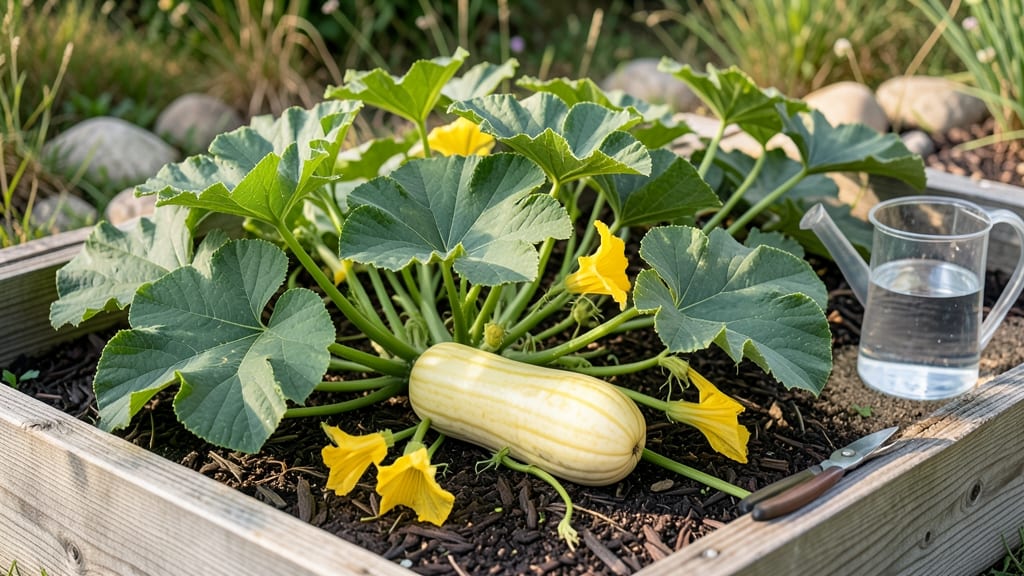
Growing yellow delicata squash means harvesting sweet, nutty-tasting squash even in cooler climates. 🌱 I’ve grown this variety for three years now, and it’s become my go-to because it thrives when other squash varieties fail—no fancy greenhouses required.
The secret lies in its cold tolerance: plant seeds 2 weeks after your last frost in well-draining soil, and you’ll see vines emerge even when temperatures dip. These squash grow fast—expect harvests in just 85-100 days—and their unique ribbed shape makes them easy to spot among the foliage.
What sets delicata apart is its versatility: roast the whole squash, scoop out the seeds for soups, or slice it like zucchini. The flavor is richer than store-bought butternut, and the skin stays tender enough to eat.
Plus, they store well for months, so you’ll have homegrown squash long after summer fades.
📚 In This Guide
- What you need
- Instructions
- Tips and common mistakes
- Wrapping up and next steps
What you need
- ● Seeds: 3–5 yellow delicata squash seeds per plant (start indoors or direct-sow).
- ● Growing Space: Full sun (6–8+ hours/day).
- ● Well-draining soil (pH 6.0–7.0).
- ● Space: 3–4 feet between plants or 5–6 feet in rows.
- ● Fertilizer: Balanced organic fertilizer (10-10-10) or compost (apply at planting and mid-season).
- ● Watering Supplies: Drip irrigation or hose with a gentle spray nozzle.
- ○ Trellis or Cage (Optional but Helpful): For vining varieties (e.g., 4–5 ft tall tomato cages).
- ● Garden Tools: Trowel or transplanting spade.
- ● Pruners (for trimming excess vines).
- ● Gloves (to protect hands from prickly stems).
- ● Mulch: Straw or shredded leaves (to retain moisture and suppress weeds).
- ● Row Cover: Lightweight fabric (to protect seedlings from pests or frost).
- ● Pest Control: Neem oil or insecticidal soap (for squash bugs/aphids).
- ● Warm soil (at least 60°F) for direct sowing (or start seeds indoors 2–3 weeks early).
- ● Last frost date checked (delicatas thrive in cool weather—plant after frost risk passes).
- ● Patience! Yellow delicatas mature in 75–90 days.
Step-by-step instructions for growing yellow delicata squash
This cold-hardy variety thrives with minimal fuss—here’s how to coax sweet, nutty harvests from your garden.
🌱 Step 1: Start Seeds Indoors 4-6 Weeks Before Last Frost
Delicata seeds germinate best at 70-80°F, so begin them indoors if your climate has cool springs. Fill 2-3 inch deep biodegradable pots with sterile seed-starting mix—I avoid garden soil to prevent damping-off. Plant 2 seeds per pot, just ½ inch deep, since Delicata germinates unevenly. Mist the surface lightly, then cover pots with plastic wrap to retain warmth and moisture.
Place pots in a warm, bright spot (a seedling heat mat helps) and expect sprouts in 5-10 days. Once seedlings show first true leaves, remove the plastic wrap immediately—condensation invites fungal rot. Thin to the strongest seedling per pot, snipping the weaker at soil level with clean scissors. Real talk: Delicata seedlings are delicate, so avoid disturbing them until they’re sturdy.
☀️ Step 2: Harden Off and Transplant After Soil Warms to 60°F
Two weeks before your last frost, move seedlings outdoors to a shaded, sheltered spot for 1-2 hours daily. Gradually increase exposure over 7-10 days, ending with full sun. Delicata tolerates cooler soil than most squash, but wait until soil temperature (not air) reaches 60°F—use a soil thermometer to confirm. Transplant in the late afternoon to reduce stress.
Dig holes 12-18 inches apart in full sun (6+ hours daily) with well-draining soil. Bury seedlings deeper than usual—up to the first true leaves—to encourage strong root systems. Water deeply at transplanting, then mulch with 2-3 inches of straw to retain moisture and suppress weeds. Here’s the thing—Delicata hates soggy roots, so amend heavy soil with compost to improve drainage.
💧 Step 3: Water Deeply and Fertilize for Sweet, Disease-Resistant Fruit
Water 1-2 inches per week, keeping soil consistently moist but never waterlogged. Delicata’s thin skin cracks easily if moisture fluctuates wildly, so drip irrigation or soaker hoses work best. Avoid overhead watering—wet foliage invites powdery mildew, a common squash nemesis. I fertilize with balanced organic fertilizer (10-10-10) at planting, then side-dress with compost tea when vines begin running.
Watch for yellowing leaves—this usually means either overwatering or nutrient deficiency. If leaves curl upward, your soil may be too dry; if they wilt in heat, provide afternoon shade. Delicata’s bushy vines sprawl 3-5 feet, so train them with light trellising if space is tight. Here’s where it gets fun: Pollination happens naturally, but if you notice unpollinated flowers (they wilt without setting fruit), hand-pollinate with a small brush in the morning.
✂️ Step 4: Harvest When Skin Turns Golden and Rinds Harden
Delicata’s yellow skin ripens 80-90 days after transplanting. Harvest when the rind turns hard (press a fingernail—it should resist) and the stem detaches easily. Cut with clean pruners or a knife, leaving 1 inch of stem attached to prevent rot. Store in a cool, dry place (50-55°F) for 2-3 months—their sweetness intensifies when cured!
Don’t wait too long—overripe squash loses flavor and texture. I harvest every 3-5 days during peak season to keep production going. Save seeds from the best fruit: Scoop out the orange flesh, rinse seeds, and dry them on a screen for next year’s crop. Delicata’s cold tolerance means you can often extend harvests into fall by covering plants with frost blankets on chilly nights.
Tips & tricks for perfect yellow delicata squash
Between us, these little-known tricks will help you grow the sweetest, most reliable delicata squash harvests—without the common pitfalls that trip up even experienced gardeners.
Germination Intelligence: Delicata seeds are notoriously finicky about moisture—too dry and they won't sprout, too wet and they'll rot. After planting your 2 seeds per pot at ½ inch deep, I like to use a spray bottle to mist the surface until it's damp but not soggy. Then, instead of just covering with plastic wrap, I make tiny air holes with a toothpick. This keeps humidity high enough for germination at 70-80°F while preventing that deadly condensation buildup that causes damping-off.
Soil Temperature Secret: Don’t rely on air temperature when checking soil warmth before transplanting. I’ve learned the hard way that even when air temps feel perfect, cold soil can shock delicate seedlings. Invest in a soil thermometer—Delicata needs 60°F soil minimum, and anything below that will stunt root growth. Pro tip: If your soil runs cooler, try transplanting in a shallow trench filled with compost to create a warmer microclimate for those first critical weeks.
Watering Strategy: The 1-2 inches per week guideline works, but timing matters just as much as quantity. I water deeply in the morning using a soaker hose, then let the soil dry slightly before the next watering. This prevents those dreaded cracks in the squash skin that happen when moisture fluctuates wildly. For extra insurance, I always check soil moisture by sticking my finger 2 inches down—if it feels dry, it's time to water.
Harvest Timing: Those 80-90 days to maturity seem like a long wait, but don't rush harvesting! The sweetest flavor comes when the squash's skin turns golden and the rind resists your fingernail. I've found that harvesting every 3-5 days during peak season actually stimulates more production—once you start seeing fruit, the plant keeps making them as long as you keep harvesting. Just be careful not to leave stems too long after cutting, or you risk rot.
Pro Tips for Yellow Delicata Squash
- Between us, these little-known tricks will help you grow the sweetest, most reliable delicata squash harvests—without the common pitfalls that trip up even experienced gardeners.
- Germination Intelligence: Delicata seeds are notoriously finicky about moisture—too dry and they won't sprout, too wet and they'll rot.
- Soil Temperature Secret: Don’t rely on air temperature when checking soil warmth before transplanting.
Frequently asked questions
Got questions about growing yellow delicata squash? You’re not alone—this cold-hardy variety has its own quirks! Below, we’ve rounded up the most common questions (and answers) to help you grow like a pro.
How cold can yellow delicata squash tolerate?
Yellow delicata squash is one of the hardiest winter squash varieties, surviving light frosts (25–30°F) and thriving in cooler climates (USDA Zones 3–9). Plant seeds after soil reaches 60°F, but young plants can handle a brief dip into the 40s. For extra protection, use row covers early in the season.
When is the best time to harvest?
Harvest yellow delicata squash 90–100 days after planting when the skin turns golden-yellow and feels firm (like a ripe cantaloupe). Use a sharp knife to avoid damaging the vine. For storage, cure them at 85°F for 10 days in a dry, well-ventilated space.
Can I grow yellow delicata squash in containers?
Yes! While they prefer space, delicatas thrive in 5-gallon containers or larger with proper support (like trellises or cages). Ensure the pot has drainage holes and use a lightweight potting mix. Expect slightly smaller yields, but the flavor stays sweet.
What pests should I watch for?
Common pests include squash bugs, cucumber beetles, and powdery mildew. Prevent squash bugs by removing egg masses (tiny copper-colored clusters) and using row covers. For mildew, improve airflow and spray with a baking soda solution (1 tbsp baking soda + 1 quart water + a drop of dish soap).
How do I store yellow delicata squash long-term?
Store cured squash in a cool (50–55°F), dry place with good airflow (like a root cellar or pantry). They’ll keep for 2–3 months. Avoid refrigeration—it turns the flesh mushy! For shorter storage, peel, seed, and freeze the flesh for soups or roasting.
Wrapping up and next steps
Growing yellow delicata squash is a rewarding journey that yields sweet, nutritious harvests with minimal fuss—especially if you embrace its cold-hardy nature! Whether you're a seasoned gardener or a curious beginner, these tips will help you cultivate a thriving patch of this versatile squash.
Now that you’re armed with the right materials, techniques, and troubleshooting insights, it’s time to roll up your sleeves and get planting!
🌱 Next step: Mark your calendar for planting dates, prep your soil, and watch your garden transform into a golden squash paradise. Happy growing—and enjoy those delicious, easy-to-peel harvests! 🍽️