
Planting
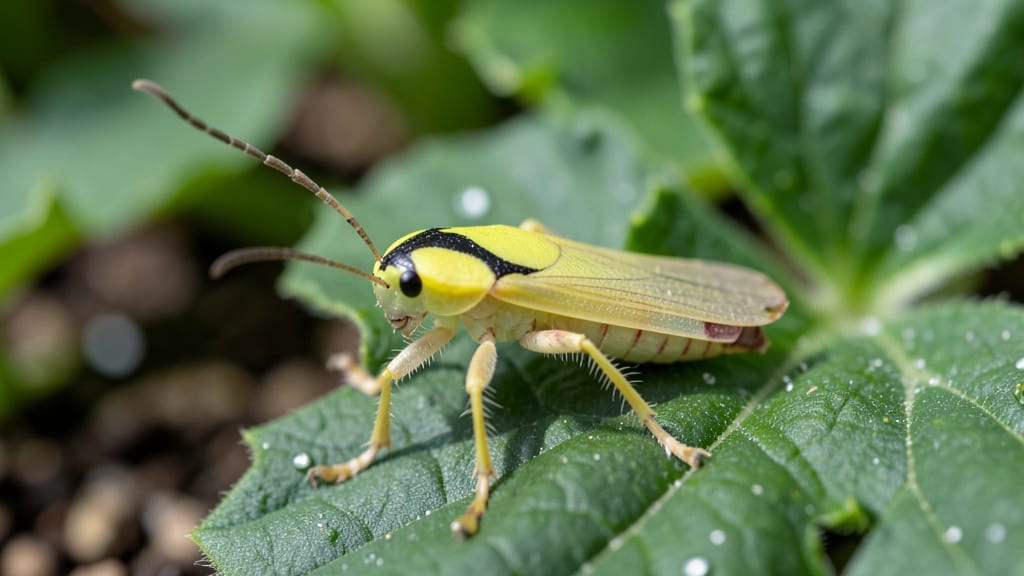
Yellow squash bugs can turn your harvest into a nightmare unless you act fast. 🌱 I’ve lost entire plants to these sneaky pests—until I learned the 3-minute fix that works every time.
The key is catching them early, before they chew through stems or lay eggs that hatch into more trouble.
These pests hide under leaves, so start by shaking plants over a bucket of soapy water. Look for speckled brown adults or tiny yellow eggs clustered on stems. Aphids and cucumber beetles are also common—they leave chewed leaves and wilted vines.
The good news? Most squash bugs respond to natural sprays like neem oil or insecticidal soap within hours.
Once you spot them, remove adult bugs by hand (they’re slow-moving but vicious). For heavy infestations, try row covers or diatomaceous earth around the base. The goal is to protect your plants before they get overwhelmed—because once squash bugs take hold, even organic methods take weeks to recover.
Prevention is easier than cleanup: rotate crops yearly, plant nasturtiums as traps, and keep your garden free of debris where pests hide. With these tricks, you’ll keep your squash thriving—and your patience intact.
Root Causes of Plant Stress
Yellow squash plants often fall victim to tiny but tenacious pests, and understanding why these bugs target your garden is the first step to reclaiming your harvest. 🌱🐛 Below, we break down the key triggers that turn your thriving squash into a buffet for plant bugs—so you can address the real issues, not just the symptoms.
When squash plants grow too close together, airflow stalls, humidity rises, and leaves stay damp longer—creating a perfect breeding ground for bugs like squash bugs and aphids. 🌡️
- Why it happens: Poor spacing (typically 2–3 feet apart for yellow squash) forces plants to compete for nutrients, weakening their defenses.
Stagnant air traps moisture, which attracts pests seeking shelter and food. - Actionable fix: Thin out seedlings early and prune overgrown vines to improve circulation. Pro tip: 💡 Space plants wider in humid climates to dry foliage faster.
Stressed plants—whether from nutrient deficiencies, disease, or improper watering—emit chemical signals that pests detect as a "help yourself" sign. 🚨
- Why it happens:
- Nitrogen deficiency (yellowing leaves) makes plants less resilient.
- Overwatering (soggy soil) invites fungal issues, which attract bugs like squash bugs.
- Underwatering (wilting leaves) reduces plant vigor, making them easier targets.
- Actionable fix:
- Test soil pH (ideal: 6.0–6.8 for squash).
- Water deeply 1–2 times per week (adjust for climate).
- Feed with balanced fertilizer (10-10-10) at planting and mid-season.
A healthy garden ecosystem includes predatory insects (like ladybugs and lacewings) that keep plant bugs in check. 🦋 When these allies vanish, pests thrive unchecked.
- Why it happens:
- Pesticide overuse kills beneficial insects faster than pests.
- Monoculture planting (growing only squash) starves natural predators of diversity.
- Lack of habitat (no flower borders or diverse crops) reduces predator populations.
- Actionable fix:
- Plant companion flowers (marigolds, alyssum) to attract predators.
- Avoid broad-spectrum sprays; use neem oil or soapy water sprays instead.
- Rotate crops yearly to disrupt pest life cycles.
Squash bugs and other pests lay tiny, camouflaged eggs on stems, leaves, or garden debris—often going undetected until nymphs hatch. 🥚🔍
- Why it happens:
- Old plant residue (leftovers from last season) harbors overwintering eggs.
- Weeds or mulch piles near squash provide shelter for egg-laying adults.
- Actionable fix:
- Clean up thoroughly after harvest (remove all vines and debris).
- Check under leaves weekly for egg clusters (look for flat, football-shaped eggs).
- Use row covers early in the season to block adult bugs from laying eggs.
Plant bugs thrive in warm, shaded, or wind-protected spots—common in dense plantings or near fences/walls. ☀️🌿
- Why it happens:
- South-facing rows or tall plants casting shade create ideal bug hideouts.
- Windbreaks (like hedges) trap heat and humidity, speeding up pest reproduction.
- Actionable fix:
- Space plants for sunlight (avoid overcrowding near structures).
- Encourage airflow by trimming nearby vegetation.
- Mulch with straw (not thick layers) to retain moisture without trapping heat.
Squash planted too late in the season (after pests have already established) gives bugs a head start. ⏳🐞
- Why it happens:
- Warm springs mean pests emerge earlier than usual.
- Succession planting (adding new squash too late) confuses timing with natural pest cycles.
- Actionable fix:
- Start seeds indoors 3–4 weeks before the last frost.
- Use floating row covers for the first 4–6 weeks to delay pest access.
- Plant trap crops (like zucchini) 2 weeks before your main squash to lure pests away.
Quick Fixes for Squash Plant Pests
Yellow squash plants can quickly become a buffet for pests like aphids, cucumber beetles, and squash bugs—all of which can turn your harvest into a sad, spotted mess. But don’t stress! With the right approach, you can banish these critters fast and keep your garden thriving.
Below, we’ll tackle the most common causes of pest problems and show you how to stop the damage in its tracks—plus, how to keep those bugs away for good.
Aphids are the sneaky squatters of the plant world—tiny, soft-bodied insects that suck sap and leave behind sticky residue (aka honeydew). If your squash leaves are curling or covered in a weird, sticky film, aphids are likely the culprits.
How to Fix It:
✅ Step 1: Blast Them Off 💦 - Water blast method: Grab a strong stream of water from your hose and directly spray aphids off leaves (early morning works best).
Repeat every few days until they’re gone. - Neem oil spray: Mix 1 tsp neem oil + 1 tsp mild soap + 1 quart water in a spray bottle. Shake well and spray the undersides of leaves (where aphids love to hide). Reapply every 5–7 days.
✅ Step 2: Attract Natural Predators 🐞
- Ladybugs and lacewings are aphid-eating superheroes. Plant dill, fennel, or marigolds nearby to attract them.
- Release beneficial nematodes (microscopic worms) into the soil—they’ll hunt aphids for you!
💡 Prevention Tip:
- Inspect new plants before bringing them home—aphids can hitch a ride on stems.
- Avoid over-fertilizing with nitrogen—aphids love lush, soft growth.
These striped or spotted beetles devour leaves, flowers, and even young squash, leaving jagged holes and spreading bacterial wilt. If your squash plants look like they’ve been attacked by a swarm of tiny drills, cucumber beetles are likely the culprits.
How to Fix It: ✅ Step 1: Handpick & Drown 🪰
Early morning is prime time—beetles are sluggish and easy to spot.
Pick them off by hand and drop them into soapy water (they’ll drown instantly). - Use a drop cloth: Shake plants over a dark tarp, then scoop up beetles and dispose of them.
✅ Step 2: Trap Crops & Row Covers 🌱
- Plant radishes or nasturtiums nearby—beetles prefer these over squash.
- Cover young plants with row fabric (remove when flowers appear to allow pollination).
✅ Step 3: DIY Spray Barrier 🛡️
- Mix 1 tbsp cayenne pepper + 1 tsp dish soap + 1 quart water. Spray on leaves—beetles hate the spicy sting!
- Kaolin clay spray (like Surround WP) creates a protective film that repels them.
💡 Prevention Tip:
- Rotate crops—don’t plant squash in the same spot year after year.
- Plant early (before beetles emerge) and use yellow sticky traps to catch them.
Squash bugs are masters of disguise—they hide under leaves and lay eggs that look like tiny brown specks. By the time you see damage (wilting, yellowing, or holes in leaves), they’ve already been feasting for weeks.
How to Fix It:
✅ Step 1: Crush Eggs & Adults 🪨
- Scrape off egg masses (they look like tiny brown footballs) and smash them with your fingernail or a credit card.
- Look under leaves—adult bugs are shield-shaped and grayish-brown. Crush them on sight!
✅ Step 2: Beer Trap 🍺
- Bury a shallow container (like a tin can) filled with beer near your plants. Squash bugs drown in it overnight. Refresh every few days.
✅ Step 3: Organic Sprays 🌿
- Soap spray: Mix 2 tbsp castile soap + 1 quart water and spray directly on bugs (avoid flowers).
- Diatomaceous earth (DE): Sprinkle food-grade DE around the base of plants—it’s a natural abrasive that kills bugs by dehydrating them.
💡 Prevention Tip:
- Mulch with straw—it deters squash bugs and makes it harder for them to lay eggs.
- Plant trap crops like zucchini or pumpkins away from your main squash patch to lure bugs away.
Sometimes, pests show up because your plants are stressed or weak. Here’s how to strengthen your squash so it can fight back:
- Water deeply but infrequently—wet leaves attract pests, so water at the base in the morning.
- Prune crowded foliage—pests love hiding in dense, shaded areas.
- Encourage biodiversity—bees, birds, and beneficial insects all help keep pests in check.
- Interplant with herbs—basil, mint, and thyme repel many garden pests naturally.
✨ Pro Tip: Act fast! The sooner you spot pests, the easier they are to control. Check your plants 2–3 times a week and remove any damaged leaves immediately to prevent spread.
With these quick, natural solutions, your yellow squash plants will be back to their happy, bug-free selves in no time! 🍠🌱
Frequently asked questions
How do I tell if my yellow squash plants have bugs?
Look for chewed leaves, yellowing spots, or sticky residue (aphid honeydew). Check under leaves for tiny eggs or adults—squash bugs hide there. Wilting vines or holes in fruit are also red flags. Inspect plants 2-3 times weekly during peak growing season.
What's the fastest way to get rid of squash bugs?
Handpick adults and crush eggs (they look like tiny brown footballs). For immediate relief, spray with soapy water (2 tbsp castile soap per quart) or use a beer trap (bury a shallow container of beer near plants). Repeat every 3-4 days until gone.
Can I use chemical pesticides on yellow squash?
Yes, but use targeted options like pyrethrin sprays (derived from chrysanthemums) or neonicotinoid soil drenches. Always follow label instructions and apply in the evening to protect bees. For organic gardens, start with natural remedies first—they're safer for pollinators.
Will companion planting really work against squash bugs?
Plant nasturtiums or marigolds near your squash—they act as trap crops. Basil and mint also repel pests naturally. For extra protection, interplant with radishes (beetles prefer them over squash). Rotate crops yearly to break pest cycles.
What should I do if my squash is already damaged?
Remove heavily infested leaves immediately to stop spread. For minor damage, focus on treating the plants. If fruit is already compromised, harvest what's salvageable and destroy damaged produce. Strengthen remaining plants with balanced fertilizer and proper watering to help them recover.