
Vegetables
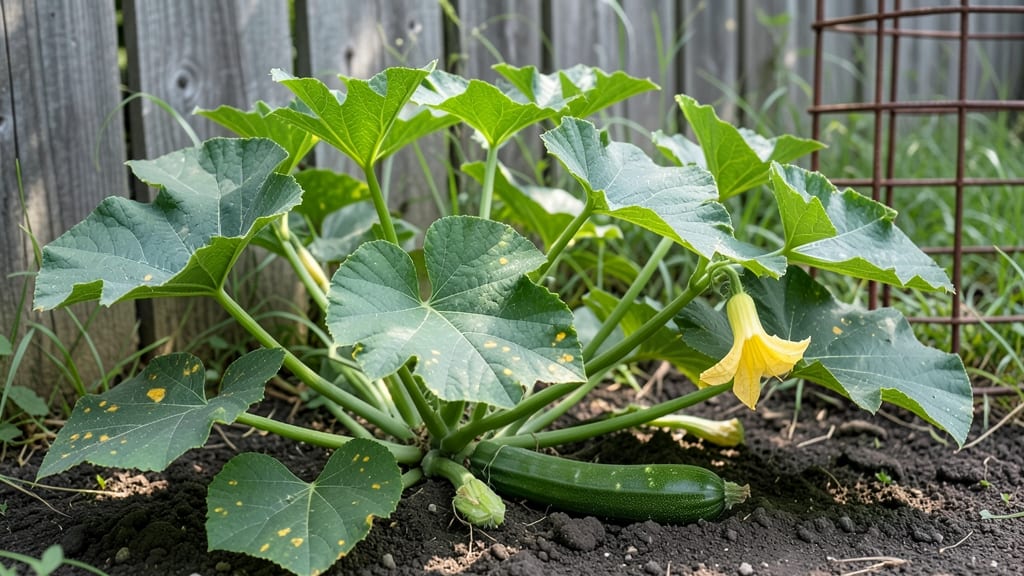
Yellow spots on squash leaves can turn a thriving vine into a sad, spotted mess in record time. 🌿 I’ve watched my summer squash go from lush and productive to barely hanging on because of those telltale yellow patches—and I’m here to help you avoid that heartbreak. The good news?
Most yellow spots come from three main culprits: fungal infections (like powdery mildew or bacterial leaf spot), nutrient deficiencies, or even too much water. The bad news? If you ignore them, those spots spread fast, and your harvest suffers.
But with the right diagnosis and action, you can save your plants and still enjoy bushels of zucchini by late summer. First, we’ll figure out what’s causing those spots—because treating the wrong problem wastes time and money.
Then, I’ll walk you through organic fixes (like neem oil or copper sprays) and when to pull the trigger on stronger solutions. You’ll know exactly what to do the moment you spot those first yellow splotches.
This works for summer squash, winter squash, pumpkins, and even cucumbers—so whether you’re growing in the ground or containers, these steps will keep your plants healthy and your kitchen stocked.
Underlying Causes Of Leaf Spots
Yellow spots on your squash leaves aren’t just a cosmetic issue—they’re a sign your plants are under stress from one or more environmental or biological factors. Understanding the root cause is the first step to saving your harvest.
Below, we break down the most common culprits, why they happen, and what triggers them in squash plants.
Fungal diseases are the #1 cause of yellow spots on squash leaves, thriving in warm, humid conditions. These pathogens disrupt the plant’s ability to photosynthesize, leading to discolored patches that eventually turn brown or black.
Powdery Mildew: The White Web of Doom
- What it is: A fungal disease (Erysiphe cichoracearum) that starts as yellow, powdery spots on upper leaf surfaces, eventually covering leaves in a white, flour-like coating.
- Why it happens:
- Poor air circulation (crowded plants or dense foliage trap moisture).
- High humidity (fungus spores germinate best in 70–80°F with moisture).
- Nitrogen-heavy fertilizers (weakens plant defenses, making them susceptible).
- Splashing water (overhead irrigation spreads spores from soil to leaves).
- Key identifier: Yellow spots appear first, followed by a white, powdery film (like dust) on leaves.
Downy Mildew: The Nighttime Threat
- What it is: Another fungal disease (Pseudoperonospora cubensis) that causes yellow, angular spots on the tops of leaves, with fuzzy gray mold on the undersides (visible in the morning).
- Why it happens:
- Cool, wet nights (60–75°F with high humidity) create perfect conditions for spores to spread.
- Overhead watering (splashing water from soil to leaves).
- Resistant squash varieties (some heirloom squash lack genetic resistance).
- Older leaves (fungus targets mature foliage first, leaving younger leaves unharmed).
- Key identifier: Yellow spots on top, mold on bottom—visible only in damp conditions.
Alternaria Leaf Spot: The Brown Spot Culprit
- What it is: Caused by the fungus Alternaria, this disease creates small, dark brown or black spots with yellow halos around them.
- Why it happens:
- Hot, humid weather (80°F+ with high moisture accelerates spore growth).
- Wounded leaves (hail, insect damage, or rough handling provide entry points).
- Poor sanitation (old crop debris harbor spores year-round).
- Overhead irrigation (water splashes spores onto leaves).
- Key identifier: Concentric rings (like a bullseye) in spots, often with a yellow border.
Bacteria move quickly and can destroy a squash patch in days if left unchecked. Unlike fungi, bacterial infections often cause water-soaked spots that turn yellow or brown.
Bacterial Leaf Spot: The Oily Stain
- What it is: Caused by Xanthomonas campestris, this bacteria creates small, greasy-looking yellow spots that expand and turn brown with yellow margins.
- Why it happens:
- Rain or overhead watering (splashing spreads bacteria from soil to leaves).
- Warm, wet conditions (75–90°F with high humidity).
- Contaminated tools or hands (bacteria hitchhike on pruners, gloves, or clothing).
- Stressed plants (drought, nutrient deficiencies, or transplant shock weaken defenses).
- Key identifier: Greasy, translucent spots that ooze when wet.
Bacterial Leaf Blight: The Aggressive Killer
- What it is: A severe bacterial infection (Pseudomonas syringae) that causes large, irregular yellow-brown spots with dark edges, often leading to leaf drop.
- Why it happens:
- Cool, wet springs (ideal for bacterial growth).
- Poor drainage (waterlogged soil spreads bacteria upward).
- Injured leaves (insect bites or mechanical damage invite infection).
- Key identifier: Rapid leaf yellowing and wilting—often fatal if untreated.
Not all yellow spots come from pathogens—sometimes, environmental factors mimic disease symptoms, tricking gardeners into overreacting.
Sun Scorch: The Overheated Leaf
- What it is: Yellow, crispy patches on leaves exposed to intense sunlight, often on the upper or outer edges.
- Why it happens:
- Sudden heatwaves (plants can’t acclimate quickly enough).
- Transplant shock (young squash moved from shade to full sun too fast).
- Drought stress (wilting leaves are more susceptible to sun damage).
- Reflective surfaces (light-colored mulch or pavement bounces heat onto leaves).
- Key identifier: Dry, papery texture (not slimy or fuzzy) and edges of leaves affected first.
Nutrient Deficiencies: The Silent Starvation
- What it is: Yellowing between leaf veins (a classic sign of chlorosis) due to iron, magnesium, or nitrogen deficiencies.
- Why it happens:
- Compacted or alkaline soil (locks out iron and manganese).
- Overwatering (flushes nutrients away).
- Improper pH (squash prefers 6.0–7.0; outside this range, nutrients become unavailable).
- Heavy clay soil (poor drainage starves roots).
- Key identifier:
- Iron deficiency: Yellowing between veins (veins stay green).
- Magnesium deficiency: Yellowing older leaves (starts at leaf edges).
- Nitrogen deficiency: Overall pale yellowing (not just spots).
Pest Damage: The Hidden Bite Marks
- What it is: Insects like squash bugs, aphids, or spider mites feed on leaf sap, causing yellow stippling or speckling.
- Why it happens:
- Drought stress (weakens plants, making them more attractive to pests).
- Lack of beneficial insects (ladybugs, lacewings, and predatory mites keep pests in check).
- Monoculture gardening (planting only squash attracts pests en masse).
- Key identifier:
- Squash bugs: Yellow spots with black excrement (frass) and notched leaf edges.
- Aphids: Sticky residue (honeydew) and curled, yellowed leaves.
- Spider mites: Fine webbing and bronze-colored stippling.
If you’re unsure whether your squash’s yellow spots are from a fungus, bacteria, pest, or environmental stress, try this quick test:
- Magnify the spot (use a hand lens)—fuzzy or powdery? → Fungal.
- Check the underside—gray mold? → Downy mildew.
- Run your finger over it—greasy or slimy? → Bacterial.
- Look for webbing or bugs—tiny pests? → Insect damage.
- Inspect the soil—dry or waterlogged? → Environmental stress.
Quick Fixes for Healthy Squash
Once you’ve identified the cause of those pesky yellow spots on your squash leaves, it’s time to take action! The right approach depends on whether your plants are battling fungal infections, pests, nutrient deficiencies, or environmental stress.
Below, we’ve broken down practical, step-by-step solutions tailored to each issue—plus prevention tips to keep your squash thriving long-term.
Fungal infections thrive in damp, warm conditions, but they’re often reversible with the right care.
🔥 Remove Infected Leaves Immediately
- How: Snip off yellowed or spotted leaves with clean, sharp scissors or pruners.
Dispose of them in the trash (not the compost)—fungi can survive in compost piles. - Pro Tip: ✨ Avoid wetting leaves when watering; aim for the soil base to reduce moisture on foliage.
🍳 Apply Fungicidal Sprays (Organic or Chemical)
- Organic Options:
- Baking Soda Spray: Mix 1 tsp baking soda + 1 tbsp vegetable oil + 1 tsp mild soap + 1 gallon water.
Spray leaves thoroughly every 7–10 days. - Neem Oil: Use a ready-made neem oil spray (follow label instructions) to disrupt fungal spores. Reapply after rain. - Copper Fungicide: A natural mineral-based spray that prevents further spread.
Apply in the early morning or evening to avoid burning leaves. - Chemical Options (for severe cases): - Chlorothalonil or maneb (follow package rates). These are effective but should be a last resort for organic gardens.
🌡️ Improve Air Circulation & Reduce Humidity
- How: Prune crowded plants to allow airflow. Space squash vines 3–4 feet apart if growing in rows.
- Prevention: Use row covers (floating fabric) to protect plants from spores while allowing light and air through.
Pests weaken leaves, making them susceptible to secondary infections. Act fast to stop the cycle.
👨🍳 Blast Off Pests with Water
- How: For aphids or spider mites, spray leaves with a strong stream of water from a hose to knock them off. Do this early in the day so leaves dry quickly.
🥘 Introduce Beneficial Insects
- Ladybugs and lacewings devour aphids. Purchase them from garden centers or attract them by planting dill, fennel, or marigolds nearby.
- Predatory mites (like Phytoseiulus persimilis) control spider mites. Release them in the early evening when temperatures are mild.
🔪 Use Insecticidal Soap or Oil
- Insecticidal Soap: Mix 2.5 tbsp mild castile soap per gallon of water. Spray directly on pests (avoid hot sun to prevent leaf burn).
- Horticultural Oil: Apply in early morning or late evening to suffocate eggs and adults.
Reapply every 5–7 days.
🎯 Prevent Future Infestations
- Crop Rotation: Avoid planting squash in the same spot yearly—pests and diseases build up in the soil.
- Reflective Mulch: Use aluminum foil or silver plastic mulch to deter cucumber beetles (they’re repelled by shiny surfaces).
Yellowing between veins often signals a lack of key nutrients. Fix the soil, not just the symptoms.
📊 Test Your Soil
- DIY Test: Purchase a home soil test kit (or send a sample to a local extension office) to check pH and nutrient levels.
- Ideal pH for Squash: 6.0–6.8.
If too acidic (<6.0), amend with lime; if too alkaline (>7.0), add sulfur or peat moss.
💪 Feed with Targeted Fertilizers
- Iron Deficiency (Yellowing New Leaves):
- Apply chelated iron (like Iron Chelate) or sprinkle iron sulfate around the base of plants.
Water well after application. - Magnesium Deficiency (Yellowing Between Veins): - Use Epsom salt (magnesium sulfate)—dissolve 1 tbsp per gallon of water and spray on leaves or water into the soil. - Zinc Deficiency (Yellow Spots on Younger Leaves): - Apply zinc sulfate (follow package rates) or use a balanced organic fertilizer with micronutrients.
🥗 Boost Soil Health Long-Term
- Compost: Work in 2–3 inches of compost into the soil before planting.
- Mulch: Use straw or grass clippings to retain moisture and slowly release nutrients.
- Worm Castings: Mix 1 cup per plant into the soil at planting time for a nutrient boost.
Sometimes, yellow spots aren’t from pests or disease—they’re your plants’ way of saying, “I’m uncomfortable!”
💡 Adjust Watering Practices
- Overwatering Fix: Let the top 1–2 inches of soil dry out between waterings. Squash plants prefer deep, infrequent watering.
- Underwatering Fix: Water slowly at the base (avoid wetting leaves) and check for wilting—a sign of thirst.
🌡️ Protect from Extreme Heat
- Shade Cloth: Use 30–50% shade cloth during peak summer heat (especially in hot climates).
- Mulch: Apply 2–3 inches of mulch to keep roots cool and retain moisture.
✨ Prevent Sun Scorch
- Gradual Acclimation: If transplanting seedlings, harden them off over 7–10 days before moving to full sun.
- Drip Irrigation: Keeps leaves dry and reduces heat stress.
- 🌱 Rotate Crops: Don’t plant squash (or cucurbits) in the same spot for 3+ years.
- 🍃 Start with Healthy Seedlings: Buy from reputable nurseries or grow from sterilized seeds.
- 🌧️ Plan for Drainage: Ensure raised beds or containers have drainage holes to prevent waterlogging.
- 🔍 Monitor Early & Often: Check leaves weekly for signs of trouble—catch issues before they spread!
Remember: The key to happy squash is consistency. Combine quick fixes with long-term soil care, and your plants will bounce back stronger than ever. 🌿💚
Frequently asked questions
What’s the fastest way to tell if my squash spots are fungal vs. bacterial?
Check the leaf texture: Fungal spots often have a powdery or fuzzy coating (like downy mildew) or white dust (powdery mildew). Bacterial spots look greasy or water-soaked and may ooze when wet. Use a magnifying glass to spot these key differences.
Can I still eat squash fruit if the leaves have yellow spots?
It depends! If the spots are from nutrient deficiencies or sun scorch, the fruit is safe. But if caused by fungal/bacterial diseases (like powdery mildew), remove heavily infected leaves and avoid eating fruit from the same plant. When in doubt, inspect the fruit’s surface for mold or slimy residue.
Why do my squash plants get yellow spots even though I water at the base?
Base watering helps, but yellow spots may still appear due to nutrient deficiencies (check soil pH) or pest damage (like squash bugs). Test your soil—squash thrive in 6.0–6.8 pH. If spots persist, inspect leaves for tiny pests or webbing (signs of spider mites).
Is neem oil safe to use while squash flowers are blooming?
Yes, but apply neem oil in the evening when bees are less active. Avoid spraying directly on flowers—focus on leaves. Neem is safe for pollinators once dry, but always follow label instructions for timing and dilution.
How do I prevent yellow spots in container-grown squash?
Use well-draining potting mix with compost, and water only when the top 1–2 inches are dry. Elevate containers to improve airflow, and avoid overhead watering. Add reflective mulch (like aluminum foil) to deter pests, and rotate containers yearly.