
Pests and Diseases
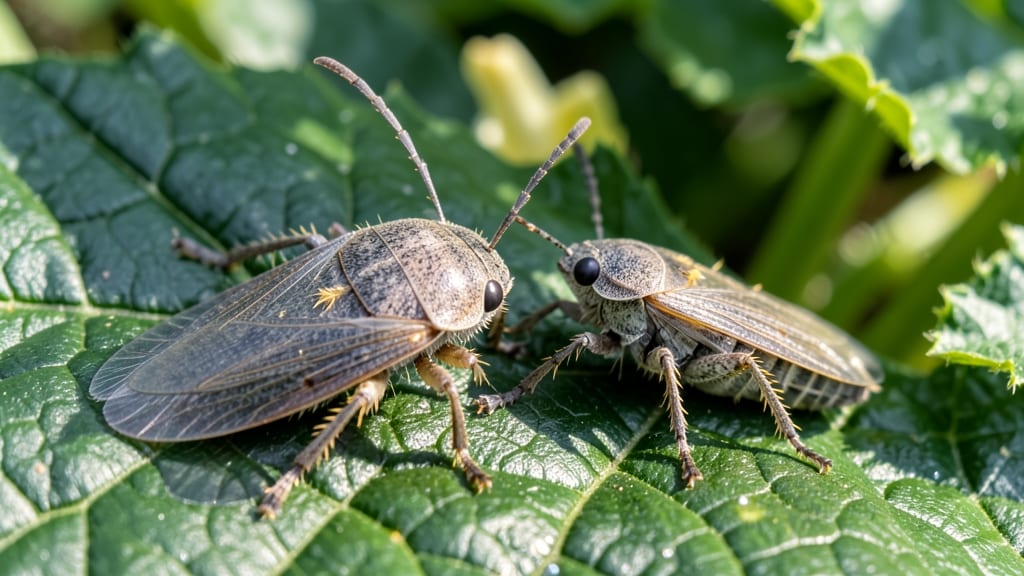
Avoiding squash bugs starts with a simple row cover trick I learned after losing an entire pumpkin patch to those shield-backed invaders. 🌱 These sneaky pests hide under leaves, laying eggs that hatch into ravenous nymphs—unless you stop them at the gate.
The secret weapon? Lightweight fabric barriers that keep them out while letting your plants breathe.
Most gardeners overlook early prevention, but I’ve found that 30 seconds of inspection before planting can save your squash. Look for tiny yellow eggs clustered on stems—if you see them, remove the plant and replace it with a trap crop like bush beans.
Once they’re established, even organic sprays struggle to control them, so acting fast is everything.
By summer’s end, you’ll have vibrant, bug-free vines producing heavy yields—no more wilted leaves or honeydew trails. The key is combining barriers, regular scouting, and quick removal of adults. It’s not about fighting squash bugs; it’s about outsmarting them before they even arrive.
Works for zucchini, cucumbers, and melons too—just adjust the timing based on your last frost date. Here’s how to set up your defenses before the first egg appears.
The Hidden Triggers Inviting Squash Bugs
Squash bugs (Anasa tristis) are sneaky pests that thrive in squash, pumpkin, and cucumber gardens—but their presence isn’t random. Understanding the why behind their infestations is the first step to outsmarting them.
These shield-backed invaders don’t just appear out of nowhere; they’re drawn by a mix of environmental cues, plant weaknesses, and even your gardening habits. Let’s break down the science-backed reasons these pests target your crops—and how to recognize the red flags before they strike.
Squash bugs have a nose for trouble—and by "trouble," they mean stressed or weakened plants. When your squash or cucumbers are struggling, they release chemical signals (called volatiles) that act like a dinner bell for pests. Here’s what makes your plants vulnerable:
- Poor soil health: Compacted, nutrient-deficient, or overly wet soil stunts plant growth, making them easier targets. Squash bugs prefer plants that can’t fight back.
- Overcrowding: When plants compete for sunlight, water, and nutrients, they become physically stressed. Tight spaces also create humid microclimates—perfect hiding spots for squash bug eggs.
- Water stress: Both overwatering (leading to root rot) and drought conditions weaken plants. Squash bugs love plants that are either soggy or wilting.
- Disease or pest damage: If your plants are already battling viruses (like cucumber mosaic virus) or other insects (like aphids), they’re more likely to attract squash bugs as secondary invaders.
💡 Pro Tip: Healthy plants are your best defense. Test your soil pH (aim for 6.0–6.8 for squash) and amend with compost to boost resilience. Mulching with straw or grass clippings also improves soil structure and reduces stress.
Squash bugs don’t just land randomly—they seek out microhabitats that provide shelter, moisture, and easy access to food. Your garden might unknowingly be offering them a five-star resort. Watch for these common hideouts:
| Hideout Type | Why Squash Bugs Love It | How to Disrupt It |
|---|---|---|
| Low-lying foliage | Humid, shaded areas near the soil keep eggs and nymphs moist—critical for survival. | Prune plants to improve airflow and remove dense ground cover. |
| Weedy borders | Weeds like pigweed or smartweed host squash bug eggs and provide alternative food sources. | Pull weeds within 10 feet of your squash patch regularly. |
| Wooden mulch or debris | Organic matter traps moisture and provides egg-laying surfaces. | Use straw or black plastic mulch instead of wood chips. |
| Cracked soil or rock piles | Adult squash bugs overwinter in protected soil crevices and emerge in spring. | Tillage in early spring (if possible) or apply row covers before planting. |
🔥 Key Insight: Squash bugs are opportunistic. If your garden has even one of these conditions, they’ll move in. Think of it like a real estate agent—they scout for the easiest, safest properties.
Squash bugs are cold-hardy but heat-loving. Their life cycle accelerates in warm, stable conditions, which is why they explode in numbers during certain weather patterns:
- Hot, dry springs: Early-season heat speeds up egg hatching. If your area has 50°F+ nights followed by 80°F+ days, expect nymphs to appear fast.
- Humid summers: High moisture levels help eggs survive and nymphs thrive. Rainfall > 1 inch/week creates ideal breeding conditions.
- Mild winters: If temps stay above 20°F in winter, adult squash bugs may survive to lay eggs earlier in spring.
🌡️ Climate Hack: Monitor your local frost dates and plant squash varieties with shorter growing seasons (like ‘Early Prolific’) to avoid peak squash bug activity. Row covers in early spring can also delay their arrival.
Squash bugs have long memories—literally. Their eggs can lie dormant in soil for years, waiting for the right moment to hatch. If you’ve grown squash, pumpkins, or cucumbers in the same spot annually, you’re serving them a standing invitation.
Why? Because:
- Squash bugs specialize in cucurbits (their favorite food). They’ve evolved to detect these plants’ scent compounds.
- Their eggs overwinter in the soil, hatching when young squash plants emerge.
- Without rotation, their populations build up like a snowball rolling downhill.
✨ Science Note: Studies show squash bug infestations can increase by 300%+ in fields planted with squash for 3+ years in a row (source: Journal of Economic Entomology).
🎯 Fix It: Follow a 3-year rotation with non-host plants like beans, corn, or grasses. If space is limited, interplant squash with nasturtiums (which repel them naturally).
Quick Fixes for Squash Bugs
Squash bugs may seem relentless, but with the right strategies, you can reclaim your garden before they cause serious damage. The key is to act fast—whether you’re dealing with an existing infestation or just want to prevent one.
Below, we’ve mapped out practical, science-backed solutions tailored to common causes, so you can tackle the problem head-on.
The sooner you spot squash bugs, the easier they are to eliminate. Adults and nymphs hide under leaves, along vines, and in garden debris, so inspect your plants regularly—especially the undersides of leaves and the soil around the base.
How to check:
- Gently shake plants over a white tray or newspaper. 🪰 If bugs drop, you’ve found them.
- Look for signs of damage: Yellowing leaves, wilted vines, or black feces (frass) are red flags.
- Monitor at dawn or dusk, when squash bugs are most active.
Prevention tip: 🌱 Rotate crops annually to disrupt their life cycle—squash bugs thrive in the same soil year after year.
For small infestations, physical removal is the most effective and chemical-free method. Squash bugs are slow-moving, making them easy to pick off by hand.
Step-by-step guide:
- Wear gloves (some gardeners find the bugs gross or sticky). 🧤
- Use a damp cloth or paper towel to gently wrap around bugs—this prevents them from flying away.
- Drop them into soapy water (1 tbsp dish soap per gallon of water) to kill them instantly.
- Focus on eggs first: Check the undersides of leaves for clusters of pale yellow, barrel-shaped eggs (they hatch in 5–10 days). Scrape them off with a fingernail or stiff brush and dispose of them in soapy water.
Pro tip: 💡 Do this in the early morning when bugs are sluggish and easier to catch.
If manual removal isn’t enough, homemade sprays can disrupt squash bug life cycles without harming your plants (or you). These work best on nymphs and adults but may not kill eggs.
1.
Neem Oil Spray (Best for All Stages) Neem oil disrupts feeding, mating, and egg-laying while being safe for most plants. Recipe: - Mix 1 tbsp neem oil + 1 tsp mild liquid soap + 1 quart water. - Add a few drops of horticultural oil for extra stickiness. - Spray directly on bugs and undersides of leaves in the early morning or late evening (avoid direct sun to prevent leaf burn).
Reapply every 5–7 days until the infestation is gone.
2.
Soap Spray (Fast-Kill for Adults) A simple insecticidal soap can kill squash bugs on contact. Recipe: - 2 tbsp castile soap or mild dish soap + 1 quart water. - Spray until leaves are wet, focusing on bugs and egg clusters. - Reapply after rain (soap washes off quickly).
Warning: 🚨 Test on a small leaf first—some plants (like squash) are sensitive to soap.
3. Diatomaceous Earth (DE) Dust (For Eggs & Nymphs)
Food-grade diatomaceous earth is a non-toxic powder that dehydrates bugs.
It’s best for eggs and nymphs hiding in soil or leaf litter. How to use: - Lightly dust under leaves, along vines, and in garden mulch. - Reapply after rain (it loses effectiveness when wet). - Avoid overapplying—too much can harm beneficial insects like bees.
Pro tip: ✨ Combine DE with manual removal for best results.
If squash bugs keep returning, strategic planting and physical barriers can save your main crops.
1. Use Trap Crops
Plant susceptible crops away from your squash patch to lure bugs away. Cucumbers, pumpkins, and zucchini are favorites—place them far from your main garden and destroy them when bugs move in.
2. Row Covers & Collars (For Seedlings)
Young squash plants are most vulnerable to squash bugs. Protect them with:
- Floating row covers (lightweight fabric) over seedlings.
- Cardboard collars (cut into rings) around stems to block crawling bugs.
- Straw mulch (1–2 inches thick) to deter egg-laying.
Prevention tip: 🌡️ Plant squash in late spring (after the last frost) to avoid overlapping with squash bug emergence times.
Squash bugs overwinter in garden debris, so cleanup is critical to stopping next year’s infestation.
Year-end checklist:
- Remove all plant debris (vines, leaves, weeds) and compost them away from the garden (or burn them).
- Till the soil in fall to expose and kill overwintering eggs.
- Plant companion crops like nasturtiums or marigolds—their strong scents repel squash bugs.
- Encourage natural predators:
- Spined soldier bugs and big-eyed bugs eat squash bug eggs.
- Birds (like robins) feast on adults—install a birdhouse or bath nearby.
Final thought: 🎯 Consistency is key—check your garden weekly, combine methods, and stay one step ahead of these pests. With these strategies, you’ll keep your squash thriving and squash bugs far, far away!
Frequently asked questions
How do I know if I have squash bugs and not just regular pests?
Look for shield-shaped adults (½-inch long, gray-brown with a white stripe) or flat, oval eggs clustered on leaf undersides. Squash bugs leave black fecal spots on leaves and cause sudden wilting—unlike aphids, which create sticky residue. Shake plants over white paper: if shield-backed bugs drop, you’ve found them!
Can I use coffee grounds to repel squash bugs?
Coffee grounds won’t repel squash bugs directly, but they improve soil health—which makes plants less attractive. For better results, try crushed red pepper flakes (mix 1 tbsp with 1 gallon water and spray) or garlic spray (blend 5 cloves with 1 quart water, strain, and spray). Both disrupt their feeding behavior.
What’s the best time of day to check for squash bugs?
Check early morning or late evening when bugs are sluggish. They hide under leaves during hot days, so inspect leaf undersides and stems carefully. Dawn is ideal because dew makes them easier to spot—and they’re less likely to fly away when disturbed.
Will my neighbor’s squash bugs affect my garden?
Squash bugs can fly up to ½ mile to find hosts. If your neighbor has an infestation, cover your plants with row fabric until after their harvest. Also, plant trap crops (like cucumbers) far from your main garden to lure them away.
How long does it take for homemade sprays to work?
Neem oil and soap sprays kill adults within hours but may take 3-5 days to fully disrupt egg hatching. Diatomaceous earth works fastest on nymphs (24-48 hours) but loses effectiveness after rain. For best results, reapply every 5-7 days and combine with manual removal.