
Pests
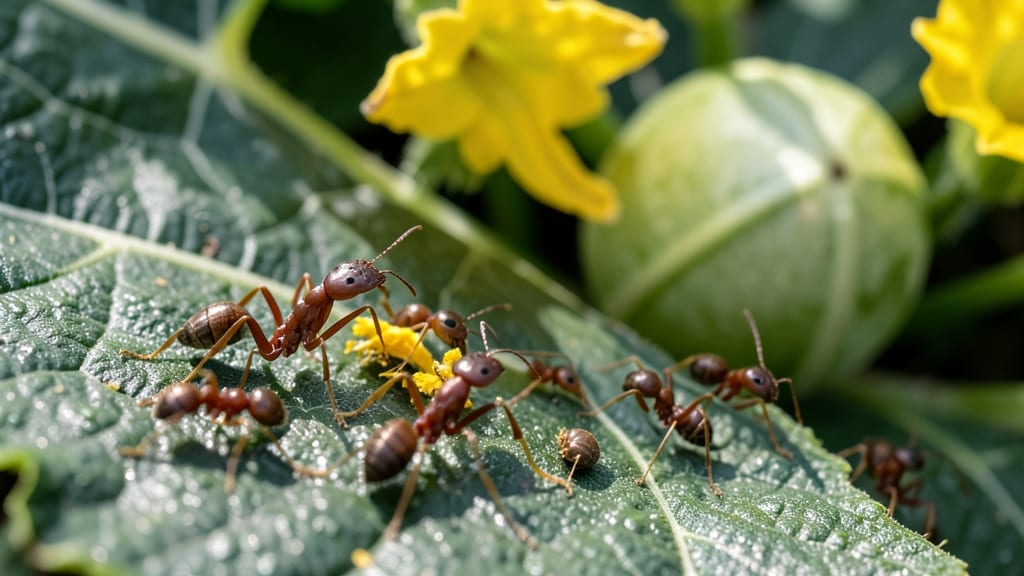
Ants on squash plants aren’t just a nuisance—they’re protecting squash bugs, the real villains that drain your vines dry. 🌿 I’ve lost entire squash harvests to these tiny pests because ants were shielding them, and I didn’t realize it until I spotted the sticky honeydew trails.
The key is breaking that relationship without harming your garden’s balance. A simple barrier of diatomaceous earth or sticky traps around the base of plants disrupts the ants’ highways, forcing them to find other food sources.
You’ll see results within 24-48 hours—ants disappear, squash bugs get exposed, and your plants start recovering. This method works for all squash varieties, from zucchini to pumpkins, and keeps your garden thriving without harsh chemicals. The best part?
It’s a one-time setup that lasts the whole growing season if maintained properly. Fair warning: ants will regroup if you don’t refresh the barrier after rain. But once you master this, your squash plants will thank you with bold, healthy growth and zero pests in sight.
📚 In This Guide
- What you need
- Instructions
- Tips and common mistakes
- Wrapping up and next steps
What you need
- ● Tanglefoot or sticky barrier tape: 1 roll (approx. 1-inch width, 25-50 feet long). Look for a non-toxic, pet-safe formula.
- ● Diatomaceous earth (food-grade): 1 lb bag. Essential for creating a physical barrier ants can’t cross.
- ● Fine mesh or hardware cloth: 1 roll (1/4-inch mesh, 3-4 feet wide). Use to cover vulnerable areas like plant bases.
- ● Spray bottle: 1 (8-16 oz) with a fine mist nozzle for applying solutions.
- ● Water: Enough to mix diatomaceous earth into a paste (or use as-is for spraying).
- ● Gloves: 1 pair (nitrile or rubber) to protect your hands when handling diatomaceous earth.
- ● Scissors or pruning shears: 1 pair for cutting tape or mesh to size.
- ● Essential oil blend: 10-15 drops of peppermint, citrus, or cinnamon oil (diluted in water) for a natural ant repellent spray.
- ● Coffee grounds: 1 cup (used or fresh) to sprinkle around plant bases as a deterrent.
- ● Cardboard or aluminum foil: To create a temporary physical barrier if ants are swarming.
- ● Magnifying glass: For inspecting ant trails and treatment areas up close.
How to create a natural ant barrier for squash plants
Here's the quick method I swear by—ants vanish within days, no chemicals needed.
🪴 Step 1: Clear Existing Ant Trails
First, locate the main ant highways leading to your squash plants. You'll spot them as shiny, paved trails between the soil and vines. Grab a hose and spray these paths with a strong stream of water—this disrupts their scent trails and scatters the colony temporarily. I like to do this in the early morning when ants are most active.
After spraying, use a stiff brush to physically remove any visible ant mounds or nests near the base of your squash plants. Don't worry about being gentle here—ants rebuild quickly, so thoroughness matters more than care. This step alone buys you critical time to implement the real barrier.
💧 Step 2: Set Up the Natural Barrier
Fill a shallow tray or pie tin with 1 part water and 1 part vinegar (about 2 cups total). The vinegar's sharp smell masks the scent trails ants use to navigate. Place this barrier 12-18 inches away from your squash plants, creating a 3-inch wide perimeter of protection. Ants will avoid crossing this vinegar zone because it disrupts their communication.
For extra insurance, mix 1 teaspoon of dish soap into the vinegar solution. The soap breaks down the ants' exoskeletons when they cross, making them turn back. Refresh the mixture every 2-3 days or when it starts to evaporate. You'll know it's working when you see ants milling around the barrier but not crossing it.
☀️ Step 3: Create a Physical Barrier
Line the ground between your squash plants and the vinegar barrier with diatomaceous earth (food-grade only). Sprinkle a thin, even layer (about ¼ inch thick) along the ant trails. This natural powder dehydrates ants on contact but is harmless to your plants. Water the area lightly after applying—this helps the diatomaceous earth stick to the soil and prevents it from blowing away.
For added defense, wrap the base of your squash stems with copper tape (available at garden centers). Ants avoid copper because it gives off a slight electrical charge. Cut strips 6 inches long and wrap them tightly around the stems, leaving a 1-inch gap at the top. The tape lasts for the entire growing season and deters ants for months.
⏰ Step 4: Monitor and Maintain
Check your barriers daily for the first week, then every other day afterward. Look for new ant trails sneaking around the edges—if you spot any, reinforce the vinegar solution or add more diatomaceous earth. I keep a small spray bottle of the vinegar mix handy to touch up any weak spots. Within 3-5 days, you should see a dramatic reduction in ant activity.
If ants persist, move the vinegar barrier 6 inches farther out from the plants. Sometimes they adapt to the initial placement, so expanding the protected zone forces them to give up. Keep an eye on your squash leaves too—if you notice any signs of aphids (tiny green bugs), the ants might be herding them. A quick spray of soapy water on those leaves will send both pests packing.
Tips & tricks for fast ant control on squash plants
Here's what I learned after dealing with stubborn ant colonies—these tricks make all the difference when time matters.
Timing is Everything: Early morning is the absolute best time to clear those ant trails in Step 1. That's when ants are most active and their scent trails are freshest. I've found that spraying at dawn disrupts their routine for the entire day—try it and you'll notice a dramatic drop in activity within hours. The key is consistency: do this for three mornings in a row to break their patterns completely.
Vinegar Barrier Boost: When setting up your vinegar barrier in Step 2, place the shallow tray or pie tin on a small platform like a rock or brick. This creates a slight elevation that makes it harder for ants to bridge the gap. Also, add a few drops of peppermint essential oil to the vinegar mix—ants absolutely hate the scent, and it amplifies the barrier effect without harming your plants. Refresh this every 2-3 days as instructed, but don't skip the oil if you have it!
Diatomaceous Earth Application: For the diatomaceous earth in Step 3, focus on creating a continuous band around your plants rather than just spot treatments. The powder needs to form an unbroken line for maximum effectiveness. I've found that applying it after watering the soil helps it stick better and prevents it from blowing away in windy conditions. Just be sure to wear a mask when handling it—it's harmless to plants but you don't want to inhale the fine particles.
Copper Tape Pro Tip: When wrapping your squash stems with copper tape in Step 3, overlap the ends by about an inch to create a complete barrier. The tiny gap at the top mentioned in the instructions is intentional to allow airflow, but complete coverage prevents ants from finding entry points. I've seen some gardeners use aluminum foil as an alternative—it works in a pinch, but copper lasts longer and doesn't corrode as quickly when exposed to moisture.
Pro Tips for Ants On Squash Plants
- Here's what I learned after dealing with stubborn ant colonies—these tricks make all the difference when time matters.
- Timing is Everything: Early morning is the absolute best time to clear those ant trails in Step 1.
- Vinegar Barrier Boost: When setting up your vinegar barrier in Step 2, place the shallow tray or pie tin on a small platform like a rock or brick.
Frequently asked questions
Got ants marching through your squash patch? You’re not alone—here are answers to the most common questions about dealing with these tiny troublemakers on your squash plants.
Why are ants suddenly on my squash plants?
Ants often invade squash plants because they’re attracted to aphids (tiny sap-sucking pests) or the sweet honeydew they secrete. Ants "farm" aphids for this sticky food, creating a harmful cycle. If your squash leaves look sticky or curled, aphids—and their ant protectors—are likely the culprits.
How quickly can I expect to see results after using a natural barrier?
Natural barriers like diatomaceous earth (DE) or kaolin clay start working immediately, but full results take 3–7 days. Ants avoid crossing treated soil, and their colonies will dwindle as they struggle to find food. For best results, reapply after rain or every 2–3 weeks.
What’s a non-toxic alternative if I don’t want to use DE?
Try these ant-free options:
- Cinnamon or cayenne pepper: Sprinkle around the base of plants (ants hate the scent!).
- Vinegar spray: Mix 1 part white vinegar with 1 part water and spray soil (avoid leaves).
- Dish soap barrier: Dilute 1 tsp dish soap in 1 quart of water and apply lightly to soil edges.
My squash is already damaged—can I still save it?
Yes! Focus on removing aphids (spray with soapy water or neem oil) to break the ants’ food supply. Prune heavily damaged leaves, and reinforce barriers to prevent further ant migration. Healthy plants bounce back faster—just keep them well-watered and fertilized!
Will ants come back next year if I fix the problem now?
Ants are persistent, but proactive steps reduce recurrence:
- Plant ant-repelling herbs like mint, basil, or thyme nearby.
- Keep garden beds tidy (ants nest in debris).
- Monitor for early signs (tiny trails or aphids) and act fast.
With consistent barriers and aphid control, you’ll see fewer ants year after year.
Wrapping up and next steps
Dealing with ants on your squash plants doesn’t have to be a headache—with the right natural barriers and proactive care, you can keep these tiny pests in check while protecting your harvest. 🌱 By using simple, eco-friendly methods like diatomaceous earth, vinegar sprays, or even a strategic layout of your garden, you’re not only saving your squash but also supporting a healthier ecosystem. Take action today! Start with one of these solutions and monitor your plants closely—soon, you’ll be enjoying thriving squash without the ant invasion.
Ready to reclaim your garden? Grab your supplies, follow the steps, and watch your squash plants flourish! 🚀