
Vegetables
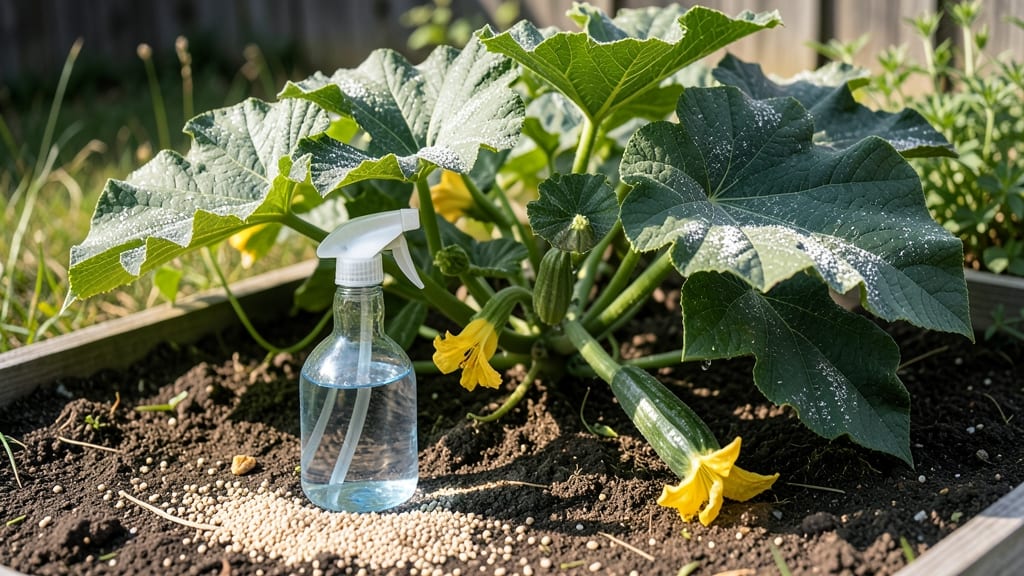
That white powdery coating on your squash leaves isn’t just unsightly—it’s stealing your harvest. 🌱 I’ve battled powdery mildew in my summer squash patches for years, and I’ve learned the 3 simple steps that turn back the fungus before it takes over.
The key? Catching it early and acting fast with the right mix of prevention and treatment.
This fungus thrives in warm, humid conditions—think summer afternoons with poor airflow. Those white patches start small but spread like wildfire if you ignore them. The good news?
Most gardeners can nip it in the bud without harsh chemicals, using neem oil, baking soda sprays, or proper spacing to keep leaves dry and air moving.
By the end of this guide, you’ll know exactly which leaves to prune, when to spray, and how to pick squash varieties that resist mildew naturally. My foolproof method has saved multiple harvests—no more wilted, spotted leaves ruining your zucchini or pattypan squash.
Whether you’re dealing with a single plant or a full patch, these steps work for container gardens, raised beds, or in-ground plots. Let’s get your squash thriving again—no mildew in sight!
Understanding the Root Causes
White mildew on squash leaves—often caused by the fungus-like pathogen Pseudoperonospora cubensis (downy mildew) or Erysiphe spp. (powdery mildew)—isn’t just a random nuisance. It thrives because of specific environmental and gardening conditions.
Let’s break down why this fungal foe shows up in your squash patch and how it exploits your plants’ weaknesses.
Fungal spores, the tiny seeds of disease, need water to germinate and infect your squash. Unlike bacteria, which can spread quickly in wet conditions, fungi like Pseudoperonospora require free moisture—such as dew, rain, or overhead watering—to land on leaves and trigger infection.
- Why it happens:
- Spores splash from soil or infected plants onto leaves during rain or irrigation.
- High humidity (above 75-80%) creates a perfect breeding ground, allowing spores to grow rapidly in just 4-10 days.
- Poor air circulation in dense squash vines traps moisture, giving fungi a foothold.
- Actionable insight:
- Avoid watering leaves (stick to drip irrigation or soaker hoses).
- Space plants 3-4 feet apart to improve airflow.
- Water in the early morning so leaves dry by evening.
Squash plants under stress are far more susceptible to fungal attacks. Stressors like:
- Nutrient deficiencies (especially phosphorus or potassium)
- Overcrowding (competing for sunlight and nutrients)
- Physical damage (from pests like squash bugs or improper handling)
- Sudden temperature shifts (e.g., cool nights after hot days)
Why it happens: Fungal pathogens exploit plants that are already struggling. A weakened squash plant can’t produce enough cutin (a waxy leaf coating) or antimicrobial compounds to repel invaders. Once spores land, they penetrate the leaf surface easily.
- Actionable insight:
- Fertilize regularly with a balanced 10-10-10 or 5-10-10 formula to boost plant resilience.
- Prune yellow or damaged leaves to reduce fungal food sources.
- Mulch with straw or grass clippings to regulate soil temperature and retain moisture without wetting foliage.
White mildew isn’t picky—it thrives in both cool, wet springs and hot, humid summers.
However, the sweet spot for outbreaks is: - Temperatures between 60–75°F (15–24°C) (cooler than ideal for squash but perfect for fungi). - High humidity (common in coastal regions or after rain). - Long periods of leaf wetness (overnight dew or foggy mornings).
Why it happens: Fungi like Pseudoperonospora evolve quickly in these conditions, producing thousands of spores per infected leaf. Even a single spore can multiply into a full-blown infection within a week if conditions stay favorable.
- Actionable insight:
- Choose disease-resistant varieties like ‘Defender’ or ‘Butternut’ squash if you’re in a high-risk zone.
- Use shade cloth (30-50%) in peak summer to reduce heat stress and humidity.
- Harvest promptly—overripe or dying leaves become fungal hotspots.
Fungal spores can persist in soil for years, lying dormant until conditions improve. Even gardening tools, gloves, or boots can carry spores from infected plants to healthy ones.
Why it happens:
- Previous infestations leave behind spores in soil or compost.
- Reusing contaminated tools (pruners, trellises) spreads the pathogen.
- Planting squash in the same spot yearly without rotation increases risk.
- Actionable insight:
- Rotate crops—avoid planting squash in the same bed for 3+ years.
- Sterilize tools with 70% isopropyl alcohol or a 10% bleach solution between uses.
- Test soil for fungal activity before planting (some nurseries offer pathogen tests).
Squash plants hate soggy roots. When soil doesn’t drain well, excess moisture:
- Weakens roots, reducing nutrient uptake.
- Encourages fungal growth in the soil, which then splashes onto leaves.
- Creates anaerobic conditions, stressing plants and making them vulnerable.
Why it happens: Fungi like Phytophthora (a root-rotting cousin) thrive in waterlogged soil, while Pseudoperonospora spores hitch rides on water droplets. Even compacted or clay-heavy soil slows drainage, keeping leaves damp longer.
- Actionable insight:
- Amend soil with compost or perlite to improve drainage.
- Raise beds if your garden has poor drainage.
- Avoid overwatering—squash needs 1-1.5 inches of water per week, not daily soaking.
💡 Pro Tip: If you’ve had white mildew before, start prevention early. A copper fungicide spray (applied preventatively) or baking soda mixture (1 tbsp baking soda + 1 tsp soap per gallon of water) can disrupt spore germination before it starts.
Quick Fixes for Fungal Foes
White mildew on your squash leaves isn’t just unsightly—it can weaken your plants and reduce yields if left unchecked. The good news? With the right approach, you can reverse the damage and prevent future outbreaks in no time.
Below are targeted solutions based on the most common causes, from overcrowded vines to poor airflow and fungal infections. Each fix is designed to be easy, effective, and garden-friendly—no harsh chemicals required unless absolutely necessary.
If your squash plants are too close together, moisture lingers, and mildew thrives. Here’s how to fix it:
🔪 Trim Back the Vines
- Step 1: Use clean, sharp pruners (disinfect with rubbing alcohol first!) to snip away diseased leaves—focus on the yellowing or white-fuzzy ones.
- Step 2: Remove only the worst-infected leaves—don’t over-prune, or you’ll stress the plant.
- Step 3: Dispose of infected foliage in the trash (not compost!) to prevent spreading spores.
📏 Space Plants for Better Airflow
- Ideal spacing: 3–4 feet between squash plants (check your variety’s needs—some like butternut squash need even more room).
- If replanting: Thin seedlings early to avoid future crowding.
- 💡 Pro Tip: Mulch around plants with straw or grass clippings (not wood chips, which can trap moisture).
Keep mulch 2–3 inches away from stems to prevent rot.
Mildew loves humidity, and soggy leaves are an open invitation. Adjust your watering habits immediately:
🌧️ Water at the Right Time
- Best time to water: Early morning (6–8 AM) so leaves dry by evening.
- Avoid overhead watering—use a soaker hose or drip irrigation to keep foliage dry.
- 🔥 Quick Fix: If mildew is already present, water deeply but less frequently to encourage strong roots that handle moisture better.
🏗️ Improve Drainage in the Soil
- Test your soil: If it’s clay-heavy, amend with compost or sand to improve drainage.
- Raise beds slightly if your garden has poor drainage—even a 1–2 inch lift helps.
- 🌡️ Pro Tip: Avoid watering at night—cool temps + wet leaves = mildew paradise.
If your squash has powdery mildew (white, powdery patches) or downy mildew (yellow spots with fuzzy gray undersides), act fast with these effective treatments:
🍎 Home Remedies (Safe & Non-Toxic)
| Remedy | How to Use | Frequency |
|---|---|---|
| Baking Soda Spray | Mix 1 tsp baking soda + 1 tbsp oil + 1 tsp mild soap + 1 gallon water. Spray undersides of leaves (where spores hide). | Every 7–10 days until mildew clears. |
| Milk Spray | 1 part milk to 9 parts water (raw or pasteurized works). Spray all leaf surfaces. | Weekly for prevention. |
| Neem Oil Solution | Mix 1 tbsp neem oil + 1 tsp soap + 1 quart water. Spray evening or cloudy days (avoid direct sun). | Every 5–7 days for 2–3 weeks. |
| Copper Fungicide | Use organic copper spray (like Copper Soap)—follow label instructions. | At first sign of mildew, then every 10–14 days. |
⚠️ When to Use Fungicides (Last Resort)
If mildew spreads rapidly (e.g., 70%+ of leaves infected), switch to a fungicide:
- Best options: Sulfur-based sprays (for powdery mildew) or fungicides with myclobutanil (like Immunox).
- ⏰ Timing: Apply at dusk to avoid burning leaves in sunlight.
- 🎯 Pro Tip: Rotate treatments—don’t use the same remedy repeatedly, or the fungus may build resistance.
The best cure? Preventing mildew in the first place. Here’s how:
🌿 Plant Smart for Resistance
- Choose resistant varieties: Look for squash labeled "powdery mildew resistant" (e.g., ‘Waltham Butternut’ or ‘Early Prolific Straightneck’).
- Interplant with mildew fighters: Marigolds, garlic, or oregano repel pests and improve airflow.
🌬️ Boost Air Circulation
- Use trellises for bush varieties (like zucchini) to lift vines off the ground.
- Prune lower leaves to increase airflow at the base of plants.
- 💡 Pro Tip: Avoid planting squash in the same spot yearly—rotate crops to break fungal cycles.
🌞 Optimize Sun & Shade
- Full sun (6+ hours/day) helps leaves dry faster.
- If shading is needed, use light shade cloth (30%) instead of dense cover, which traps moisture.
Final Thought: White mildew is manageable—but the key is speed. The moment you spot white powder or yellowing, act with pruning, spacing, and targeted sprays. With these fixes, your squash will bounce back stronger, and you’ll enjoy healthy, mildew-free vines** all season long! 🚀
Frequently asked questions
Why does white mildew appear more on older leaves first?
Older leaves are more vulnerable because they've been exposed to spores longer and often have weaker defenses. Their thicker waxy coating also traps moisture better, creating ideal conditions for fungal growth. Plus, they're usually lower in the plant where humidity lingers longer after watering or dew.
Can I still harvest squash from plants with white mildew?
Yes, but focus on healthy fruits first! The fungus primarily attacks leaves, not the edible parts. Harvest any mature squash immediately to reduce plant stress. Just wash fruits thoroughly before eating, as spores can cling to surfaces.
How often should I apply neem oil for prevention?
Apply neem oil every 7-10 days during humid seasons or after rain. For existing mildew, use it every 5-7 days for 2-3 weeks. Always mix with a drop of soap to help it stick to leaves. Remember to spray in the evening to avoid leaf burn from sunlight.
Will compost tea help prevent white mildew?
Yes, compost tea can be effective as a preventative measure. Use it as a foliar spray (1:10 dilution) every 2 weeks during growing season. The beneficial microbes help strengthen plant defenses. For existing mildew, combine it with other treatments like baking soda for better results.
Can I save infected squash seeds for next year?
No, you should discard seeds from infected plants. Fungal spores can contaminate seeds, carrying the disease to your next crop. Always use disease-free seeds or save seeds only from completely healthy plants.