
Companion Plants
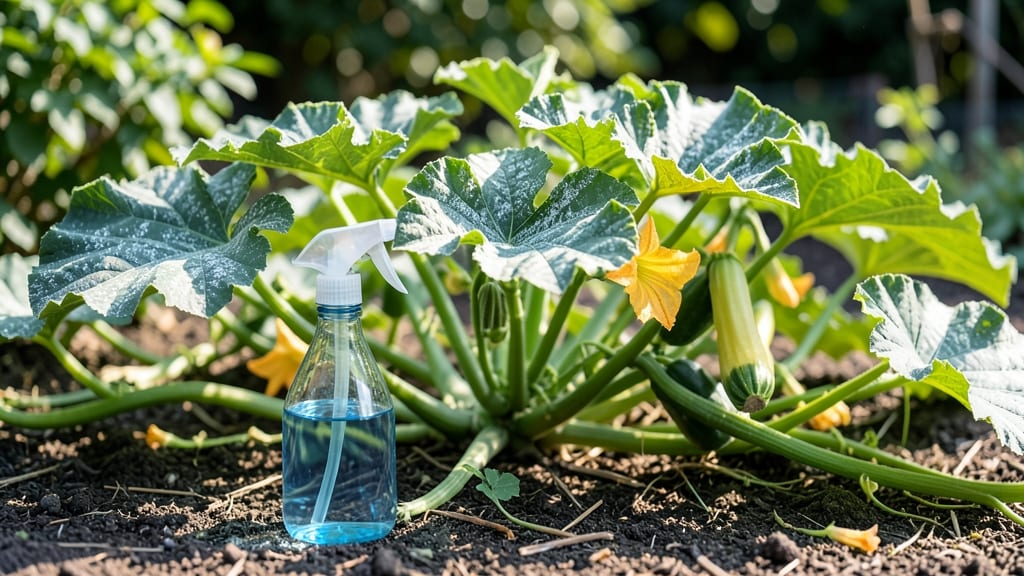
That white powder on your squash leaves isn’t dust—it’s mildew, and it’s stealing your harvest’s potential. 🌱 I’ve battled this fungal foe for years, and I’ve learned the early moves that save entire plants. The key isn’t just treating symptoms but stopping the spread before it takes over.
Mildew thrives in humid, crowded conditions where air can’t circulate. You’ll spot it as white or gray patches on leaf tops (powdery) or yellow spots with fuzzy undersides (downy).
The moment you see it, act fast—delaying just means more work later. Neem oil or a homemade baking soda spray can turn the tide, but only if applied correctly.
What you’ll achieve is squash plants that stay lush and productive, with leaves that stay green and disease-free. The secret is a mix of prevention (proper spacing, resistant varieties) and quick action (removing infected leaves, rotating treatments). Your harvest won’t just survive—it’ll thrive.
This works for all squash types—zucchini, pumpkins, even cucumbers—no matter your garden size. The tools you need are simple: a spray bottle, some basic fungicides, and a little patience. Let’s get those leaves clean and your plants back on track.
The Hidden Triggers Behind Leaf Mildew
Understanding why mildew invades your squash leaves is the first step to stopping it in its tracks. This fungal foe thrives when conditions align just right—like a picky guest waiting for the perfect party setup.
Let’s break down the key causes of mildew on squash plants, so you can disrupt the party before it starts.
Mildew spores (Podosphaera xanthii or Pseudoperonospora cubensis) love damp, stagnant air—think of it as their cozy blanket. When humidity stays above 70% for prolonged periods, spores germinate and spread like wildfire.
- Why it happens: Squash leaves act like sponges, holding moisture overnight. If airflow is blocked (e.g., dense plantings, tall weeds, or crowded vines), humidity lingers, creating a fungal buffet. - Actionable insight: Space plants 3–4 feet apart and prune nearby foliage to improve circulation.
Use a fan on hot days to dry leaves faster.
Splashing water onto leaves doesn’t just waste H₂O—it splashes spores directly onto fresh surfaces, like a fungal game of tag.
- Why it happens: Water droplets linger on leaves, especially in the evening (when temperatures drop). This gives mildew spores 24/7 access to your plants. - Actionable insight: Water at the base using drip irrigation or soaker hoses.
If you must hand-water, aim for the soil and avoid wetting leaves after sunset.
Mildew adores mild temperatures—think of it as its "Goldilocks zone." Too hot or too cold, and it struggles, but 60–80°F nights with cooler days? Perfect.
- Why it happens: Warm nights slow leaf drying, while cooler days create condensation—a mildew magnet. This combo is especially risky in spring and fall. - Actionable insight: Mulch around plants to stabilize soil temps.
Choose heat-tolerant squash varieties (like ‘Early Prolific Straightneck’) if your climate swings wildly.
Weak plants are like open invitations to fungi. If your squash lacks key nutrients or is stressed, mildew moves in fast.
- Why it happens: - Nitrogen deficiency: Pale, weak leaves can’t fight off pathogens. - Over-fertilizing phosphorus: Encourages lush but susceptible growth. - Drought or root damage: Stress signals plants to "shut down" defenses. - Actionable insight: Test soil pH (aim for 6.0–7.0) and feed with a balanced fertilizer (10-10-10).
Add compost to boost natural resistance.
Some "companions" actually worsen mildew by attracting pests or altering microclimates. For example:
- Cucumbers: Share the same mildew spores (Pseudoperonospora cubensis) and can cross-contaminate.
- Dense ground covers: Trap moisture near leaves (e.g., straw mulch in heavy shade).
Actionable fix: Pair squash with mildew-resistant companions like marigolds (repel pests), basil (improves airflow), or nasturtiums (trap aphids).
Mature squash vines with yellowing lower leaves are mildew’s favorite snack bar. Overcrowding also traps humidity.
- Why it happens: As plants age, leaves shade each other, slowing drying. Plus, old leaves hold more spores from past infections.
- Actionable insight: Thin plants early to reduce competition. Remove lower leaves touching the soil (they’re prime spore collectors).
Mildew spores need 5+ days of ideal conditions to establish. If you catch signs (white powder, yellow spots) within 5 days, act fast with neem oil or baking soda spray (1 tbsp baking soda + 1 quart water + drop of soap).
This disrupts the fungus before it takes hold.
Key takeaway: Mildew isn’t random—it’s a chain reaction of moisture, warmth, and stress. Break the chain, and your squash will bounce back stronger. 🚀
Quick Fixes for Fungal Foes
Fungal mildew on squash leaves doesn’t have to spell the end of your harvest—with the right approach, you can turn things around fast while keeping your plants thriving. Below, we’ll tackle the most common causes (like humidity, poor airflow, or weak plants) and match them with easy, effective solutions.
Think of this as your emergency repair kit for squash leaves!
Problem: Squash plants packed too closely trap moisture, creating the perfect mildew party. 🎉 (Not the fun kind.)
Fix It:
- 🔪 Trim aggressively: Snip off crowded vines or leaves touching the soil. Aim for 6–12 inches of space between plants for airflow.
- 🌱 Stake or trellis: If your squash is sprawling, train it upward with a cattle panel or bamboo trellis to lift leaves off the ground.
- 🌡️ Water wisely: Soak the base (not leaves) in the morning so foliage dries by night. Use a soaker hose to avoid splashing.
💡 Pro Tip: If mildew is already spreading, remove infected leaves immediately (don’t compost them—bag and toss!). Healthy airflow = fewer spores to hitchhike.
Problem: Hot, muggy days or evening dew turn your garden into a fungal sauna. 🏋️♂️💦
Fix It:
- 🌬️ Improve airflow: Use a fan (yes, really!) on low speed near plants for 10–15 minutes daily to circulate air.
- 🌞 Morning sun = enemy of mildew: Ensure squash gets 6+ hours of direct sunlight. Shade cloth? Remove it temporarily during peak sun.
- 🌿 Mulch strategically: Use straw or grass clippings (not wet wood chips) to keep soil dry but keep mulch 2–3 inches away from stems.
✨ Bonus Hack: Spritz leaves with water + 1 tsp baking soda per gallon in the early morning (test a small area first). The alkaline pH disrupts spores.
Problem: Nutrient-deficient or waterlogged squash are easy targets for mildew. 🛡️💥
Fix It:
- 🍽️ Feed them right: Side-dress with compost or a balanced fertilizer (10-10-10) when vines start running. Focus on potassium (banana peels in water = DIY tea!) to strengthen cell walls.
- 💧 Fix drainage: If soil stays soggy, amend with perlite or coarse sand to improve airflow at the roots.
- 🌱 Companion plants to the rescue: Interplant with marigolds, thyme, or oregano—their strong scents repel fungal spores.
🎯 Prevention Tip: Rotate crops next season—don’t plant squash (or cucurbits) in the same spot for 3+ years to starve out fungal buildup.
If you’ve spotted white powdery patches, act fast with these organic sprays (mix and apply in the early morning on dry leaves):
| Solution | How to Use | Frequency |
|---|---|---|
| Neem Oil | 1 tbsp neem oil + 1 tsp mild soap + 1 quart water. Shake well before spraying. | Every 5–7 days until gone. |
| Baking Soda Spray | 1 tbsp baking soda + 1 tsp oil (coconut or vegetable) + 1 gallon water. | Every 7–10 days. |
| Milk Spray | 1 part milk + 9 parts water. (The fats disrupt fungal growth!) | Every 3–4 days for 2 weeks. |
| Copper Fungicide | Follow label rates (e.g., Bordeaux mixture or copper soap). | Every 10–14 days. |
⚠️ Warning: Avoid spraying when bees are active (early morning or evening is safest). And always test a small leaf first for sensitivity.
- 🌱 Choose resistant varieties: Try ‘Butternut Waltham’ or ‘Cocozelle’ squash—bred to tolerate humidity.
- 🌿 Rotate planting spots: Move squash to a new location every year.
- 🌞 Start strong: Harden off seedlings gradually to avoid stress from sudden heat/humidity shifts.
- 🍂 Clean up in fall: Remove all plant debris (including old vines) and sterilize tools with rubbing alcohol.
Final Thought: Mildew is a sign your squash is asking for help—not a death sentence. With these fixes, you’ll have healthy, mildew-free leaves (and a bountiful harvest!) in no time. 🎉🍠
Frequently asked questions
How can I tell if the white stuff on my squash leaves is really mildew?
Look for powdery white patches on leaf tops (powdery mildew) or yellow spots with fuzzy gray growth on undersides (downy mildew). Rub a finger gently—if it leaves a white residue, it’s mildew. Check both leaf surfaces and stems, as mildew spreads quickly to all plant parts.
Will cutting off mildewed leaves stop the problem?
Yes, but only if you remove all infected leaves immediately and sterilize your pruners with rubbing alcohol between cuts. Never compost mildewed plant material—bag and toss it in the trash to prevent spores from reinfecting your garden.
Can I use household items to treat mildew on my squash?
Mix 1 tablespoon baking soda + 1 teaspoon oil + 1 gallon water for a safe, effective spray. For a stronger solution, try 1 part milk + 9 parts water (the fats disrupt fungal growth). Apply in the morning so leaves dry completely before nightfall.
Why does mildew keep coming back even after I treat it?
Mildew returns when underlying conditions persist—like poor airflow, overwatering, or crowded plants. Fix the root cause first: space plants 3–4 feet apart, water at the base, and use a fan to improve circulation. Without these changes, treatments will only provide temporary relief.
Are some squash varieties more resistant to mildew?
Yes! Try ‘Butternut Waltham’ or ‘Cocozelle’—both are bred for better disease resistance. For extra protection, plant marigolds or nasturtiums nearby (they repel pests that spread mildew) and rotate planting locations yearly to break fungal cycles.