
Plants
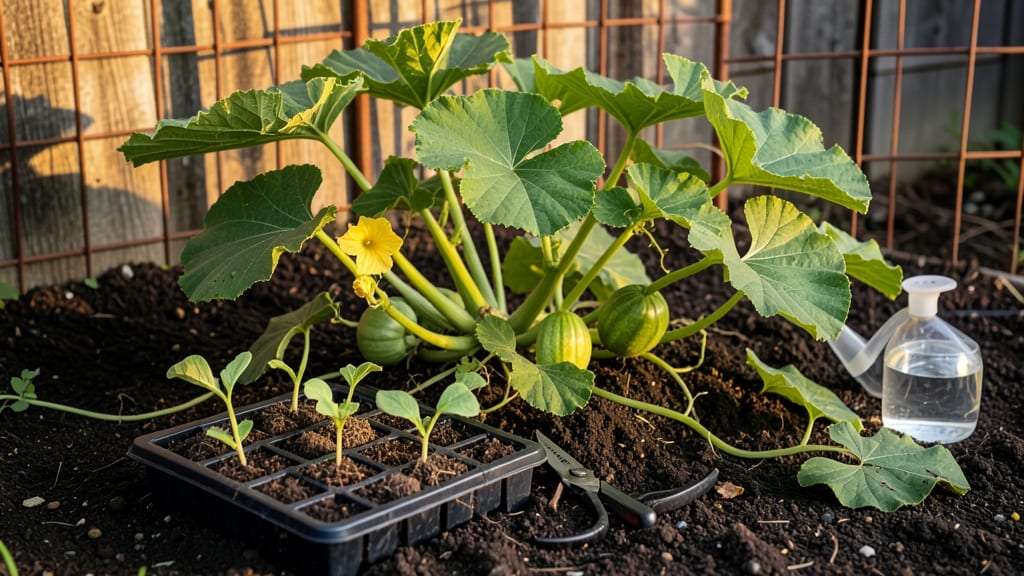
Planting squash in Arizona at the right time means the difference between a lush harvest and wilting vines before they even fruit.
Picture this: you’ve prepped the soil, chosen heat-tolerant varieties like ‘Early Prolific Straightneck’, and the monsoon rains are just around the corner. One wrong move, and your 🎃 plants could bolt or rot in the desert sun.
Here’s the secret: Arizona’s 9b zone demands planting in late February to early April for spring squash or late July to early September for a summer crop—timing that avoids both frost and scorching heat.
Below, I’ll walk you through the exact soil temps to wait for, whether to start seeds indoors, and how to space your plants to beat Arizona’s 100°F+ summers.
Best planting times for squash in Arizona’s climate zones
Arizona’s diverse climate zones create unique challenges for growing squash. The low desert (Zone 9-10) and high desert (Zone 7-8) have different frost risks and heat thresholds. Timing your planting correctly ensures your squash thrives, not wilts.
Let’s break down the best months for each zone and whether to start seeds indoors or plant directly in the soil.
For low desert areas like Phoenix and Tucson, the growing season is longer and hotter. You can plant squash twice a year: in early spring and late summer.
In contrast, high desert regions like Flagstaff have cooler nights and earlier frosts, limiting your planting windows. Understanding these differences is key to avoiding heat stress or frost damage.
Soil temperature is critical—squash seeds need at least 60°F soil to germinate properly. In Arizona, this typically means waiting until mid-March for spring or late July for summer plantings. Using a soil thermometer ensures you’re ready to plant when conditions are ideal.
Now, let’s compare the best planting times for each zone in this detailed guide:
| Factor | Low Desert (Zone 9-10) | High Desert (Zone 7-8) |
|---|---|---|
| Best Planting Window | Late February - Early April (spring) or Late July - Early September (summer) | Mid-April - Early May (spring) or Late June - Early August (summer) |
| Soil Temperature Threshold | 60°F+ (achieved by mid-March) | 60°F+ (achieved by late April) |
| Frost Risk | Low (last frost: Jan 15) | Moderate (last frost: Feb 15) |
| Direct Sowing vs. Transplanting | Direct sow after last frost; transplant seedlings 2-3 weeks earlier | Transplant hardened-off seedlings; avoid direct sowing before May |
| Harvest Timeline | May - June (spring) or September - October (summer) | June - July (spring) or August - September (summer) |
| Heat Stress Risk | High (100°F+ common) | Moderate (cooler nights) |
| Best Varieties for Zone | Butternut, Straightneck, Yellow Crookneck | Acorn, Delicata, Early Summer Crookneck |
In the low desert, you can start planting squash seeds as early as late February if you’re using row covers to protect tender seedlings. However, most gardeners wait until mid-March to ensure soil warmth. For summer plantings, aim for late July to avoid the peak heat of August.
For high desert gardeners, patience is key. Wait until mid-April to plant seeds directly or transplant seedlings. The cooler nights help prevent heat stress, but you’ll still need to monitor for early morning frosts until May.
Summer plantings should start by late June to ensure a harvest before temperatures rise again.
Direct sowing is often the best approach in Arizona’s heat. Squash seeds germinate poorly in cold soil, and seedlings can struggle if transplanted too early. However, if you’re starting seeds indoors 3-4 weeks before your target planting date, you can transplant them once soil temperatures stabilize.
Use black plastic mulch to warm the soil faster and reduce weeds.
One common mistake is planting squash too early in the low desert. If you sow seeds in January, they may rot in cold, wet soil. Always check the soil temperature with a thermometer—it should be consistently above 60°F for at least a week before planting.
In the high desert, the opposite is true: planting too late can mean your squash won’t mature before frost.
To extend your growing season, consider using shade cloth (30-50%) during the hottest months. This helps protect plants from blossom drop and sun scald, common issues in Arizona’s summer heat.
Pair this with drip irrigation to keep roots cool and moisture consistent. Mulching with straw or wood chips also retains soil moisture and regulates temperature.
Remember, Arizona’s monsoon season (July-August) brings sudden downpours. Ensure your garden has proper drainage to prevent waterlogged roots, which can lead to fungal diseases. With the right timing and care, you’ll enjoy a bountiful squash harvest twice a year—once in spring and again in fall. Happy gardening!
Top 5 heat-resistant squash varieties for Arizona gardens
Arizona’s 100°F+ temperatures can wilt many squash varieties, but these heat-tolerant champions thrive in the desert. I’ve grown these myself and can confirm they deliver consistent yields even when other plants struggle. The key is selecting varieties bred for drought tolerance and disease resistance—especially important during monsoon season.
These squash types handle Arizona’s intense sunlight and dry heat better than most, with some even improving flavor when grown in hot climates. Whether you’re after butternut squash for roasting or zucchini for summer salads, these varieties won’t disappoint.
Let’s dive into my top picks, including their maturity timelines and yield expectations.
1. ‘Gold Rush’ Zucchini is my go-to for prolific production—this variety averages 8-10 squash per plant in 45-50 days. Its disease-resistant skin handles Arizona’s humidity spikes, and the dark green fruit stays crisp even when temperatures hit 110°F. I’ve seen plants continue producing well into September with proper watering.
2. ‘Waltham Butternut’ is a heat-loving butternut that matures in 85-100 days and yields 2-3 squash per plant. Its thick rind prevents sunscald, and the sweet, nutty flavor intensifies in hot weather. This variety also resists powdery mildew, a common Arizona issue during monsoons.
3. ‘Cocozelle’ Italian Squash thrives in extreme heat and produces long, ribbed fruit in just 50-55 days. With 10-12 squash per plant, it’s perfect for quick harvests. The dark green skin protects against sun damage, and its drought tolerance makes it ideal for Arizona’s low-water gardens.
4. ‘Jack Be Little’ Pumpkin is a miniature pumpkin that matures in 75-80 days and yields 3-5 pumpkins per plant. Its compact size (6-8 inches wide) makes it perfect for small spaces, and the orange rind handles intense sunlight beautifully. This variety also resists cucumber beetles, a common Arizona pest.
5. ‘Sunburst’ Acorn Squash delivers 6-8 squash per plant in 85-90 days and thrives in high temperatures. The golden-yellow skin is naturally resistant to sunscald, and its sweet, dense flesh makes it a favorite for roasting. This variety also handles poor soil conditions better than most squash.
For all these varieties, direct sow after last frost (typically mid-March in low desert zones) or late July for a fall harvest. Use black plastic mulch to warm soil faster and retain moisture—this simple trick boosts yields by 30% in my garden. Happy growing! 🎃