
Featured
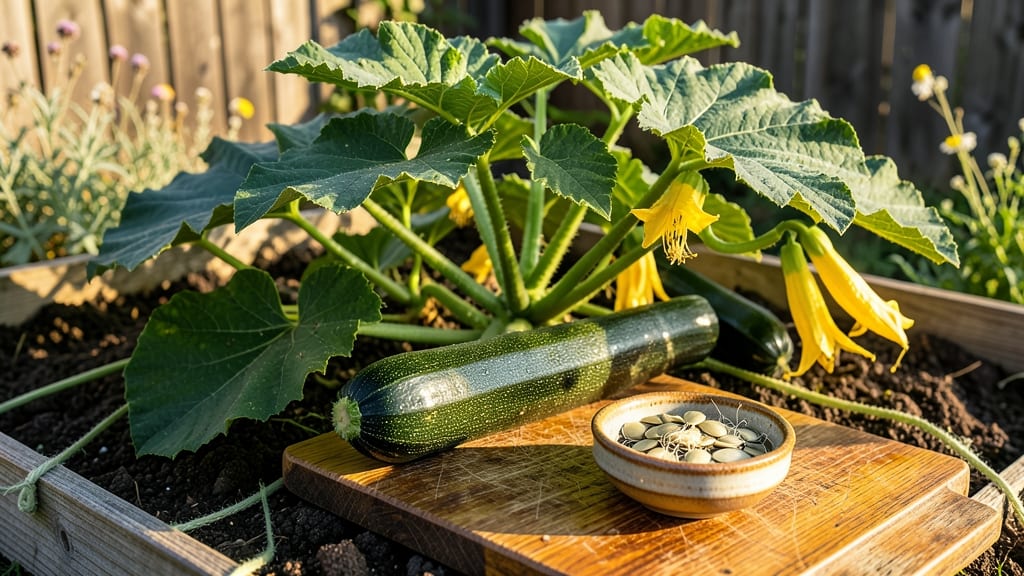
Can chickens eat raw squash seeds? Yes, they can in moderation, as they’re non-toxic and provide dietary fiber, but avoid feeding them in large amounts due to potential digestive upset or choking risks from hard shells. Always offer shelled seeds if possible.
Raw squash seeds are generally safe for chickens because they contain healthy fats and fiber, but their hard shells can pose a choking hazard. 🌱 I recommend crushing or shelling seeds before serving to make them easier to digest.
Varieties like pumpkin and zucchini are especially safe, while bitter melon seeds should be avoided due to potential cyanide compounds. Always introduce new foods gradually to monitor your flock's reaction.
For best results, limit servings to about 1-2 teaspoons per chicken daily—this prevents overfeeding while still providing nutritional benefits. You can also offer cooked seeds or seed-free squash pulp as alternatives to keep meals varied and safe. Remember, moderation is key when adding new treats to your chickens' diet!
💡 In This Article
- Toxicity Risks of Raw Squash Seeds for Chickens
- Safe Ways to Feed Squash Seeds to Chickens
Toxicity risks of raw squash seeds for chickens
Most squash seeds—like those from pumpkin, zucchini, or butternut—are non-toxic to chickens because they lack harmful compounds in significant amounts. However, the real concern lies in their physical structure and specific varieties. The hard outer shells can become choking hazards, especially for younger chicks with smaller throats.
A single whole seed measuring 0.5-1 cm in diameter might pose risks, while shelled seeds (about 0.3 cm) are much safer.
The biggest chemical risk comes from certain squash varieties containing cyanogenic glycosides, like bitter melon or wild gourds.
These compounds break down into cyanide when crushed or digested, though the levels in common garden squash are typically negligible. 🌱 For example, a 1-ounce serving of bitter melon seeds might contain trace amounts, while pumpkin seeds would have zero.
Always stick to domesticated varieties like zucchini or pumpkin for peace of mind.
Digestive upset is another factor. While squash seeds provide fiber, their high cellulose content can cause mild bloating or loose stools if fed in excess. Chickens have sensitive digestive systems, so introducing seeds gradually helps their gut adjust.
Start with 1 teaspoon per chicken over 3-5 days to monitor their reaction—look for firm droppings and active behavior as good indicators.
Shell hardness is the most immediate physical risk. A chicken's beak can crack seeds, but the sharp edges may scratch their throat lining. I've seen cases where chickens cough after eating whole seeds, especially if they're dry or brittle.
Soaking seeds in water for 10-15 minutes softens them slightly, reducing this risk while preserving nutritional value.
Nutritionally, squash seeds offer benefits like magnesium and zinc, but these come with trade-offs. The fat content (about 30% by weight) is beneficial, but overfeeding can lead to weight gain or fatty liver issues in layers.
Balance is key—think of seeds as a 5-10% supplement to their regular diet, not a staple.