
Size
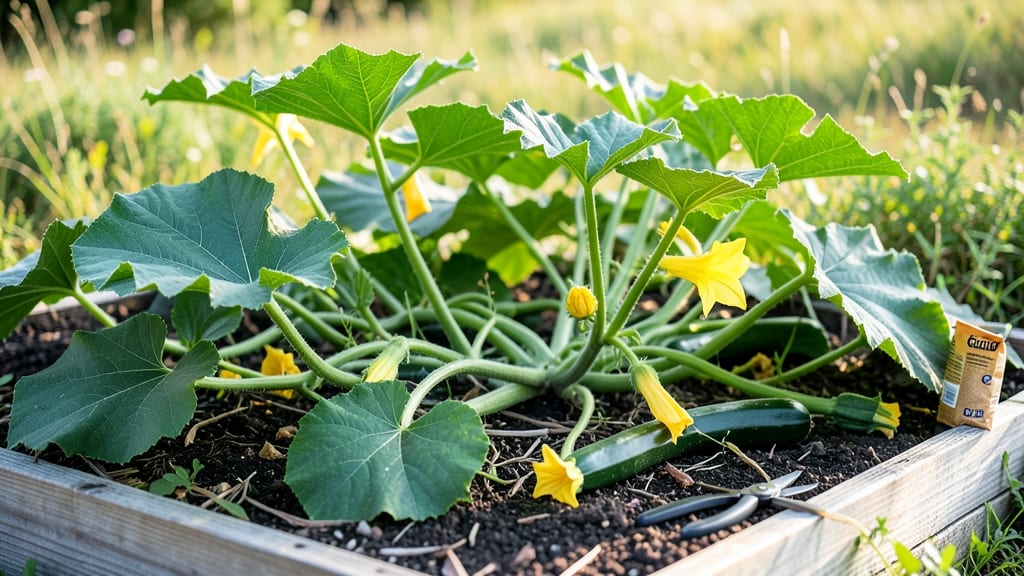
Yes, most squash varieties grow on vines, producing sprawling tendrils that need space to spread or climb trellises. Bush types exist but are rare, while popular vining varieties like zucchini and butternut squash perform best with support or ample ground coverage.
Squash vines develop long, flexible stems that can stretch 6-10 feet or more, depending on the variety. 🌱 The tendrils—thin, coiled structures—act like natural grappling hooks, wrapping around supports or sprawling across the ground to maximize sunlight exposure.
This growth pattern explains why gardeners often use trellises to save space and improve air circulation, which reduces disease risk. Bush squash, like 'Eight Ball' zucchini, stay compact but still produce vines—just shorter ones—making them ideal for containers or small gardens.
What sets vining squash apart is their aggressive growth rate. Within weeks, a single plant can cover large areas, competing with nearby crops for nutrients. That’s why proper spacing and trellising aren’t just optional—they’re essential for healthy yields.
For example, butternut squash vines can reach 20 feet if left unchecked, while pumpkins spread even wider. Even bush types benefit from staking to prevent fruit rot from ground contact.
💡 In This Article
- How Squash Vines Climb and Spread: Biology and Growth Habits
- Best Squash Varieties for Vine Growth and Space Management
How squash vines climb and spread: biology and growth habits
The squash vine's climbing ability starts with specialized tendrils—thin, coiled structures that emerge from leaf axils (the joint where leaves meet stems). These tendrils grow rapidly, curling around any available support within 24-48 hours like nature's version of Velcro.
The process involves a chemical called auxin, which triggers cell elongation in the tendril when it touches a surface, creating a tight grip. 🌿 This mechanism is why vining squash like zucchini can climb trellises or sprawl aggressively across the ground, maximizing their access to sunlight.
Leaf structure plays a crucial role too. Most squash varieties have large, lobed leaves that can reach 8-12 inches wide, creating a dense canopy that shades the ground below.
This shade helps keep soil moist and suppresses weeds, but it also explains why proper spacing is critical—crowded plants compete for light, leading to smaller fruits. The root system is equally impressive, with fibrous roots spreading 3-5 feet wide to anchor the vine and absorb water efficiently.
Unlike bush varieties, vining squash develop a more extensive root network to support their sprawling growth.
Water needs vary dramatically between vine types. Vining varieties like butternut squash require 1-2 inches of water per week during fruiting, while bush types need slightly less. The vines' rapid growth means they're particularly vulnerable to drought stress, which can cause blossom-end rot in developing fruits.
Mulching with straw or grass clippings helps retain moisture and regulate soil temperature, which is especially important for vining squash that spread widely. 💧 Proper hydration also prevents the vines from becoming brittle, which can lead to breakage during storms.
Not all squash vines climb the same way. Zucchini, for example, produces vines that sprawl horizontally, while pumpkins develop more vertical growth with stronger tendrils capable of lifting heavy fruits. This difference explains why zucchini often benefits from low trellises or cages, whereas pumpkins can climb taller structures.
The vine's flexibility also allows it to adapt to different growing conditions—whether in open fields, raised beds, or containers with adequate support.
One fascinating adaptation is how squash vines prioritize energy. When fruits begin to form, the plant shifts resources from leaf production to fruit development, which is why you'll often see fewer leaves as squash mature.
This biological trade-off ensures the plant's reproductive success but can leave the vine more vulnerable to pests and diseases if not properly managed. Pruning excess vines can redirect energy to fruit production, but timing is critical—removing too much too early can stress the plant.
For gardeners working with limited space, understanding these growth habits is key. Vining squash like spaghetti squash or acorn squash can be trained to grow vertically, saving 70-80% of the ground space compared to sprawling varieties.
The secret lies in providing sturdy trellises and consistent training, which encourages the vine to grow upward rather than outward. This technique not only maximizes yield in small gardens but also improves air circulation, reducing the risk of fungal diseases like powdery mildew. 🌱