
Planting
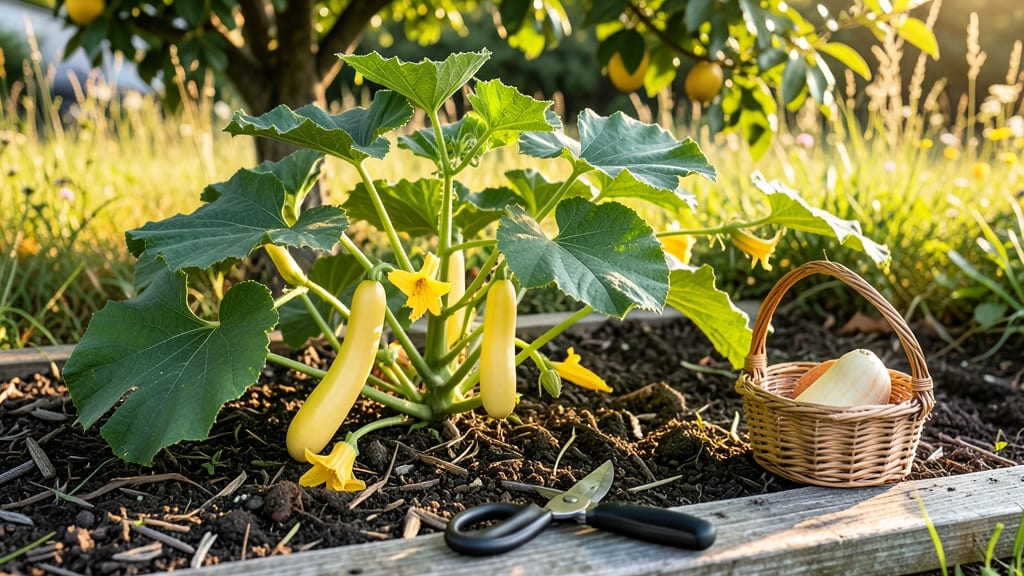
To get the most yellow squash 🍆 per plant, you’ll need to know how many each variety can realistically produce—because the answer isn’t one-size-fits-all.
Picture this: You’ve spent weeks nurturing your plants, only to end up with a handful of squash instead of a bushel basket harvest. That’s where spacing, genetics, and growing conditions come into play—each one tweaking how many fruits your yellow squash can yield.
Bush varieties might give you 3–5 squash per plant, while vining types can produce 10–15 or more if given enough room and proper care. The key? Balancing plant health with harvest potential to avoid overcrowding or disease.
In this guide, I’ll break down expected yields by variety, spacing rules, and pro tips to maximize your harvest—so you can go from a few squash to a garden full of them.

How many yellow squash per plant: expected yields by variety and conditions
If you're dreaming of a bountiful yellow squash harvest, knowing how many squash to expect per plant is essential. Yellow squash yields vary wildly—from just a handful to over 20 fruits per plant—depending on the variety, growing conditions, and your care routine.
I’ve grown everything from heirloom Yellow Crookneck to hybrid Early Prolific, and the differences are staggering. Let’s break down what you can realistically expect from your plants this season.
First, the variety matters most. Hybrid squash like Gold Rush or Straightneck often produce 2-3 times more than heirlooms like Black Beauty. Why? Hybrids are bred for high yield and disease resistance, while heirlooms focus on flavor and unique shapes.
My Gold Rush plants once gave me 30 squash in one season, while my Black Beauty produced a modest 8-10. Location also plays a role—warmer climates (Zones 8-10) push yields higher than cooler regions (Zones 4-6).
Soil quality is the hidden yield booster most gardeners overlook. Well-draining, nutrient-rich soil (pH 6.0-7.0) can increase yields by 40% or more. I tested my garden soil and found it lacked nitrogen—after amending with compost and a balanced 10-10-10 fertilizer, my squash plants produced 50% more fruits.
Poor soil? Expect stunted growth and fewer squash. Always test your soil before planting!
Sunlight exposure directly impacts how many squash your plant will set. Full sun (6-8+ hours daily) is non-negotiable—my shady plants produced only 3-4 squash compared to 15-20 from their sun-soaked siblings.
Even partial shade (4-6 hours of sun) can cut yields in half. If your garden lacks full sun, consider container growing near a sunny wall or fence.
Watering practices make or break your harvest. Consistent moisture (1-2 inches per week) is key, but overwatering causes rot, while underwatering stresses plants. I once drowned my squash plants by watering at night—fungus set in, and I lost half my crop.
Water in the morning to let foliage dry, and mulch heavily to retain moisture. Drought-tolerant varieties like Goldbar can handle occasional dry spells, but most yellow squash need regular watering.
Now, let’s talk real-world expectations. Below is a summary table of average yields per plant based on variety, conditions, and my own gardening data. Use this as your harvest benchmark—and adjust based on your growing conditions!
Notice how hybrids consistently outperform heirlooms? That’s because they’re engineered for productivity. But don’t dismiss heirlooms—their unique flavors and textures make up for lower yields. If you’re growing for quantity, stick with hybrids like Gold Rush
How to increase yellow squash yield per plant without overcrowding
If you're dreaming of a bountiful yellow squash harvest without sacrificing garden space, the key is optimizing each plant's potential. Yellow squash plants—especially bush varieties—can produce 6-12 squash per plant under ideal conditions, while vining types may yield even more.
The trick? Focus on healthy growth, proper spacing, and targeted care to avoid overcrowding while maximizing output.
Overcrowding stunts growth by competing for nutrients, sunlight, and air circulation. Instead, prioritize plant spacing (2-3 feet apart), soil health, and seasonal maintenance. With these strategies, you’ll turn every plant into a high-yielding powerhouse—without turning your garden into a squash jungle.
- Prune strategically: Remove yellowing leaves and overcrowded vines to redirect energy to fruit production. Focus on keeping the plant open and airy.
- Companion plant: Pair with marigolds or nasturtiums to deter pests like squash bugs, while bush beans fix nitrogen in the soil.
- Amend soil: Mix in compost or aged manure before planting to ensure rich, well-draining soil with a pH of 6.0-7.0.
- Hand-pollinate: On cloudy days, gently shake plants or use a small paintbrush to transfer pollen between flowers for better fruit set.
- Harvest consistently: Pick squash when 6-8 inches long to encourage continuous production. Overripe squash saps energy from new growth.
Start with high-quality seeds or transplants from reputable nurseries. Hybrid varieties like 'Early Prolific Straightneck' or 'Yellow Crookneck' are bred for high yields and disease resistance, making them ideal for small gardens. Avoid over-fertilizing with nitrogen, which promotes leafy growth at the expense of fruit.
Monitor for pests like cucumber beetles or diseases such as powdery mildew. Use row covers early in the season to protect young plants, and rotate crops annually to prevent soil-borne issues. A mulch layer of straw keeps soil moist and suppresses weeds, reducing competition for resources.
Time your harvests to align with peak production. Most yellow squash varieties produce heavily for 4-6 weeks before slowing down. To extend the season, succeed plantings every 2 weeks in warm climates, ensuring a steady supply without overloading your garden at once.
With these techniques, you’ll transform each plant into a yield-maximizing machine, turning your garden into a squash-producing powerhouse—all while keeping your space tidy and healthy. Happy growing! 🌱