
Picking
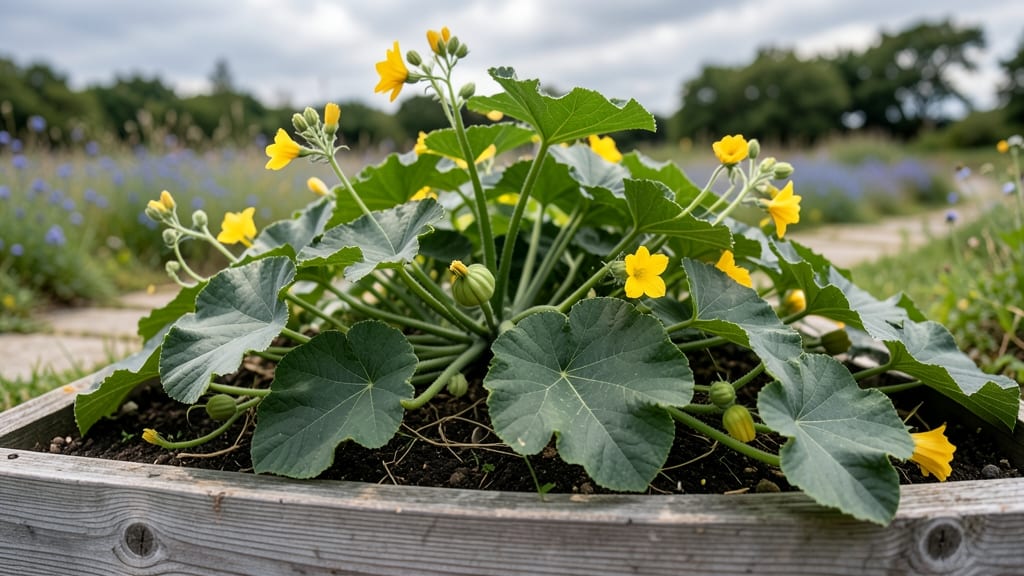
Growing acorn squash vines in shady spots means you can finally enjoy that sweet, nutty harvest even when full sun is scarce. 🌿 I've grown acorn squash in partial shade for years, and the secret lies in choosing the right varieties, managing the vines carefully, and giving them consistent moisture.
The first step is picking a compact variety like 'Table Queen' or 'Sweet Dumpling,' which handle shade better than sprawling types.
Start with well-draining soil mixed with compost—acorn squash vines need rich food to produce those heavy fruits. Space plants 3-4 feet apart in a spot with at least 4-6 hours of morning sun, and water deeply 1-2 times per week, keeping the soil evenly moist but not soggy.
Trellising isn’t necessary (these vines sprawl naturally), but a sturdy cage or stakes can help keep the fruits off the ground and prevent rot.
By midsummer, you’ll see those classic ribbed fruits forming, and with proper care, they’ll mature by early fall. The vines stay productive for 8-10 weeks, and if you harvest early, you can even get a second crop in some climates.
The key is watching for that deep green color and firm texture—once they’re ready, they’ll keep for months in a cool, dark place.
Here’s where it gets interesting: prune any yellowing or diseased leaves immediately to keep the plant focused on fruit production, and watch for squash vine borers—those little pests love acorn squash.
A simple row cover or neem oil spray can save your harvest before it even starts. With these tricks, you’ll have homegrown squash even in less-than-ideal conditions.
📚 In This Guide
- What you need
- Instructions
- Tips and common mistakes
- Wrapping up and next steps
What you need
- ● Acorn squash seeds: 3–5 seeds per plant (or 1–2 seeds per container if growing in pots). Choose heirloom or hybrid varieties like ‘Table Queen’ or ‘Sweet Dumpling’ for reliable yields.
- ● Well-draining soil: A mix of 60% topsoil, 30% compost, and 10% perlite/sand (pH 6.0–6.8). Test soil moisture—it should feel like a damp sponge, not soggy!
- ○ Containers (optional but handy): 5–7 gallon pots with drainage holes if growing in limited space. Use fabric grow bags for better root aeration.
- ● Mulch: Straw, shredded leaves, or grass clippings (2–3 inches thick) to retain moisture and suppress weeds.
- ● Fertilizer: Balanced organic fertilizer (10-10-10 or compost tea) at planting and again when vines start flowering.
- ● Garden trowel or transplanting spade for digging holes (depth: 1–2 inches, spacing: 3–4 feet apart).
- ● Watering can or hose with a gentle spray nozzle (acorn squash vines hate soggy roots!).
- ○ Garden twine or trellis (optional) if training vines vertically to save space.
- ● Pruning shears for removing yellowed leaves or excess vines (sterilize with rubbing alcohol!).
- ○ Sunlight meter or app (optional) to check light levels—acorn squash thrives in full sun (6+ hours/day), but tolerates partial shade (4–6 hours).
- ● Pest control: Neem oil spray or diatomaceous earth (for squash bugs and aphids).
- ● Planting window: Start seeds indoors 4–6 weeks before last frost or direct-sow after soil reaches 60°F (15°C). In warm climates, plant in early spring or late summer for fall harvests.
- ● Hardiness: Acorn squash vines are tender perennials (annuals in most climates). They cannot tolerate frost—plan for a 90–120 day growing season.
- ● Warmth tip: Use black plastic mulch or row covers to speed up soil warming in cool areas. 🌡️
Step-by-step instructions for growing acorn squash vines in shady spaces
Here's how I keep acorn squash thriving with less sun than you think it needs.
🌱 Step 1: Choose the Right Variety and Start Seeds Indoors
Begin with disease-resistant acorn squash seeds (like 'Sweet Dumpling' or 'Table Queen') about 4-6 weeks before your last frost date. I always start mine indoors under grow lights to give them a head start—acorn squash needs warmth to germinate well. Fill biodegradable peat pots with sterile seed-starting mix (never garden soil) and plant 2 seeds per pot just 1 inch deep. Cover lightly with more mix and mist until damp.
Keep the pots in a warm spot (70-80°F)—a seedling heat mat helps if your home runs cooler. Germination takes 7-14 days, but don’t overwater. The soil should stay evenly moist, not soggy. Once seedlings emerge, remove the weaker one, leaving the strongest stem. You’ll know it’s ready when it has 2-3 true leaves and a sturdy stem.
☀️ Step 2: Harden Off and Transplant to a Partially Shaded Spot
Acorn squash can tolerate partial shade, but it still needs at least 4-6 hours of morning sun for best fruit production. Start hardening off seedlings 1-2 weeks before transplanting by placing them outside in a protected, shady spot for 1-2 hours the first day. Gradually increase their time outdoors over 7-10 days, ending with a full day in their permanent spot.
Transplant seedlings into well-draining soil (amend with compost if yours is heavy clay) when nighttime temperatures stay above 55°F. Space plants 3-4 feet apart in rows 4-5 feet apart—this gives vines room to sprawl without crowding. Bury the peat pots 1 inch deep to encourage root growth. Water deeply right after planting to settle the soil around the roots.
💧 Step 3: Provide Consistent Water and Support for Vines
Acorn squash vines need 1-2 inches of water per week, but keep the soil consistently moist—not waterlogged. I use drip irrigation or water at the base of plants in the early morning to prevent fungal diseases. Mulch around the base with 2-3 inches of straw or shredded leaves to retain moisture and suppress weeds. This is especially important in shady spots where soil dries out slower.
As vines grow, train them onto trellises or sturdy cages to save space and improve air circulation. I use 5-foot-tall tomato cages for each plant—they’re sturdy enough to support the weight of squash. Gently weave vines through the cage as they grow. If you’re growing in containers, choose 15-20 gallon pots with support built in or add a small trellis.
✂️ Step 4: Prune and Harvest for Continuous Yield
Prune vines regularly to encourage more fruit production. Once the main vine reaches 3-4 feet, pinch off the tip to redirect energy to side shoots. Remove any yellowing or diseased leaves immediately to keep the plant healthy. Acorn squash flowers are yellow with orange centers—hand-pollinate them by gently shaking the vines on a warm, sunny morning to ensure fruit set.
Harvest squash when the skin turns hard and dull-colored (usually 85-100 days after transplanting). Use a sharp knife or pruners to cut the stem, leaving 1 inch attached. Store harvested squash in a cool, dry place (50-55°F) where they’ll keep for 2-3 months. If you’re growing in containers, harvest smaller squash more frequently to encourage new growth—this extends your harvest season.
🌿 Step 5: Extend the Season with Row Covers and Succession Planting
To keep producing squash in cooler climates, use floating row covers in early spring or late fall. These protect plants from frost and pests while still allowing light and air to pass through. Remove covers when flowers appear to allow pollination. For a year-round harvest, succession plant seeds every 2-3 weeks during the growing season—this ensures a steady supply of squash.
In shady spots, focus on compact or bush varieties like 'Sweet Meat' acorn squash, which produce smaller vines. If your shade is deep (less than 4 hours of sun), consider growing squash in containers near a south-facing window or under grow lights for 12-14 hours daily. With these adjustments, you can enjoy fresh acorn squash well into fall—and sometimes even winter with protection.
Tips & tricks for thriving acorn squash in shady gardens
Real talk: Growing acorn squash with less sun than ideal takes some strategy—but these tricks make all the difference.
Germination Game-Changer: The 70-80°F warmth for seeds is non-negotiable, but I've found that covering peat pots with clear plastic wrap creates a mini greenhouse effect. This speeds up germination to the lower end of that 7-14 day window while preventing moisture loss. Just remove the wrap once you see sprouts—usually after 3-5 days. The key is keeping that soil consistently moist without it turning soggy.
Harden Off Like a Pro: I extend the hardening-off period by 2-3 days when transplanting in cooler climates. Start with just 1 hour on day one, then add 30 minutes each subsequent day. This gradual approach prevents shock when moving to the permanent shady spot. Watch for leaves that stay crisp and green—they're telling you the plant's happy with the transition.
Watering Wisdom: That 1-2 inches per week guideline works, but I've learned to adjust for shade. In deep shade, water every 4-5 days instead of weekly, and always check soil moisture by sticking your finger 1-2 inches down. The soil should feel moist like a wrung-out sponge, not dry or waterlogged. Mulching with straw helps maintain this moisture balance while keeping weeds at bay.
Sunlight Substitution: For truly deep shade spots with less than 4 hours of sun, I've had success with LED grow lights placed 6-12 inches above the plants. Just 4-6 hours of light daily mimics morning sun exposure, and the plants still produce well. Position lights so they're not directly touching leaves to prevent overheating.
Pro Tips for Acorn Squash Vine
- Real talk: Growing acorn squash with less sun than ideal takes some strategy—but these tricks make all the difference.
- Germination Game-Changer: The 70-80°F warmth for seeds is non-negotiable, but I've found that covering peat pots with clear plastic wrap creates a mini greenhouse effect.
- Harden Off Like a Pro: I extend the hardening-off period by 2-3 days when transplanting in cooler climates.
Frequently asked questions
Got questions about growing your acorn squash vine? You’re not alone! Here are some of the most common queries—and their answers—to help you cultivate a thriving harvest.
How long does it take for an acorn squash vine to produce fruit?
With proper care, acorn squash vines typically take 75–100 days from planting to harvest. This timeline depends on your climate, soil quality, and sunlight exposure. In cooler regions, extend the season with row covers or start seeds indoors 2–3 weeks earlier for a head start!
Can acorn squash vines survive frost?
No—acorn squash vines are frost-sensitive and will die back if temperatures drop below 50°F (10°C). To protect them, use row covers in early spring/fall or grow them in containers that can be moved indoors. Harvest before the first frost or let mature squash ripen fully (they’ll store well for months!).
What can I plant alongside acorn squash vines for companion planting?
Acorn squash thrives with companion plants like:
- Nasturtiums (pest deterrents)
- Bush beans (nitrogen-fixers)
- Marigolds (fungus control)
- Avoid planting near potatoes or melons (they compete for nutrients).
Why are my acorn squash leaves turning yellow or spotted?
Yellowing or spotted leaves often signal pests or diseases, like:
- Powdery mildew (white dust on leaves)—fix with neem oil or improve airflow.
- Squash bugs (small, gray pests)—handpick them or use row covers.
- Overwatering (soggy soil)—let soil dry slightly between waterings.
How do I know when acorn squash is fully ripe for harvest?
Look for these signs:
- Skin color: Deep, glossy orange (not green).
- Stem: Hard, woody, and dry (easily snaps off).
- Sound: Tap it—it should sound hollow like a pumpkin.
Wrapping up and next steps
Growing an acorn squash vine in shady spaces is not only possible—it’s a rewarding adventure that brings vibrant greenery and delicious harvests to your garden! 🌱 With the right materials, a little patience, and these year-round hacks, you’ll soon be enjoying homegrown squash even in less-than-sunny spots.
Whether you’re a beginner or a seasoned gardener, your efforts will pay off with bountiful, nutritious produce.
Ready to take the next step? Start small—plant a few seeds or seedlings this season and watch your acorn squash vine thrive! Share your progress with fellow gardeners or experiment with new varieties to keep the fun going. Happy growing! 🌿