
Picking
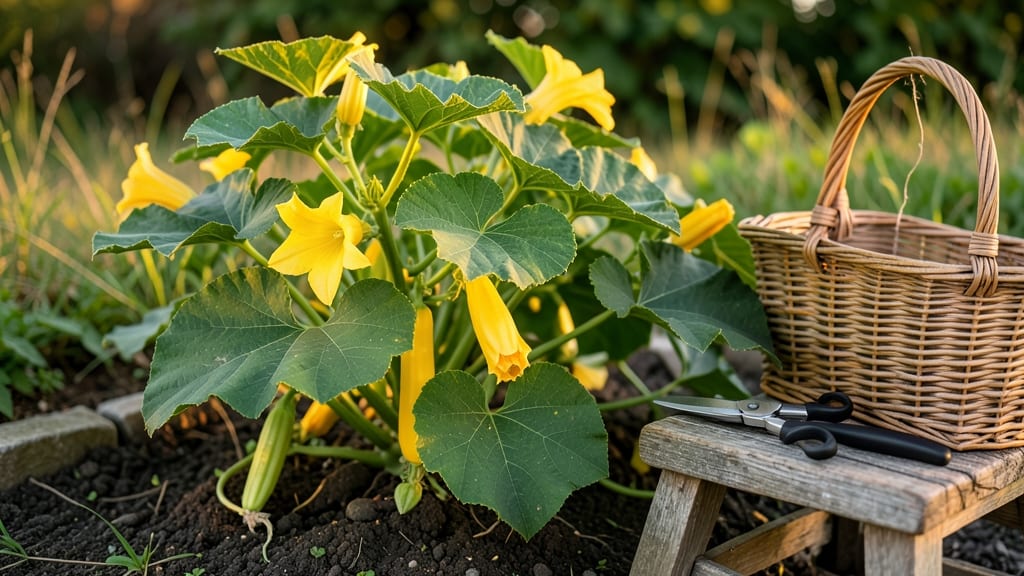
Picking yellow squash 🎃 at the right time means the difference between a sweet, tender bite and a bland, fibrous one—so knowing when to harvest is the key to peak flavor.
Picture this: you’ve been waiting weeks for your vines to produce, and now you’re staring at a squash that’s either too small or already turning woody. That’s the frustration of guessing instead of checking for those three subtle cues that guarantee perfect ripeness.
Size, color, and texture all play a role, but most gardeners miss the stem test that reveals whether it’s ready to pick. A squash that’s 6-8 inches long, deep yellow, and firm to the touch is your ticket to homegrown goodness.
Below, I’ll walk you through exactly what to look for, how to avoid the most common mistakes, and why timing matters more than you might think—so you can enjoy that crisp, fresh taste all season long.
3 Visual signs your yellow squash is perfectly ripe
There's nothing worse than biting into a yellow squash that's either too tough or mealy—both signs you picked it at the wrong time. The good news? Identifying peak ripeness comes down to just three key visual cues that even beginner gardeners can master.
These signs don't just affect flavor; they also determine how well your squash stores and how productive your plants stay throughout the season.
Most gardeners focus only on size when harvesting, but the real magic happens when you combine color, texture, and stem condition into your decision-making. I've learned this the hard way—my first year growing yellow squash, I ended up with either tiny, bitter specimens or oversized, stringy monsters.
Since then, I've perfected my timing using these exact indicators, and my harvests now consistently deliver that sweet, crisp texture we all crave.
Here's the game-changer: harvesting at the right moment doesn't just improve flavor—it extends your plant's productivity. When you pick squash too early, you signal to the plant to keep producing, but if you wait too long, the plant's energy shifts to seed development.
The sweet spot? When all three of these visual cues align perfectly.
Pro Tip: Always harvest in the morning when squash is cool and crispest. This simple habit makes a noticeable difference in both texture and flavor.
| Ripe Yellow Squash | Overripe Yellow Squash |
|---|---|
|
Size: 6-8 inches long Ideal length for peak flavor |
Size: 10+ inches long Becomes tough and seedy |
|
Color: Deep, even yellow No green at blossom end |
Color: Yellow with green streaks Signals overmaturity |
|
Texture: Firm with slight gloss Skin resists gentle thumb pressure |
Texture: Soft or spongy Indicates mealy interior |
|
Stem: Snaps cleanly when bent Easy separation from vine |
Stem: Tough to separate Signals overgrowth |
|
Flavor: Sweet, crisp, tender Peak eating quality |
Flavor: Bitter, tough, stringy Unpleasant eating experience |
The size of your yellow squash is the first clue most gardeners notice, and for good reason—it's one of the most reliable indicators. When squash reach 6-8 inches in length, they're at their flavor peak.
This is true for most varieties, though heirloom types like 'Golden Zebra' often need a little more time to reach full flavor development. I've found that harvesting at this size gives me the perfect balance of tenderness and sweetness that disappears if I wait just a few more days.
Pay close attention to the color at the blossom end (the end that was attached to the vine). When your squash is perfectly ripe, this area should be completely yellow with no green whatsoever. Any remaining green means your squash needs more time on the vine.
I once ignored this sign and ended up with squash that looked yellow on the outside but had green, underdeveloped flesh inside—definitely not worth the harvest!
The texture test is where many gardeners go wrong. A ripe yellow squash should feel firm yet slightly glossy to the touch. If it feels soft or spongy, it's past its prime.
For this test, I gently press my thumb against the squash skin—if it leaves a noticeable dent, it's time to harvest. This simple pressure test has saved me from countless meals of tough, unappetizing squash over the years.
One of the most overlooked signs is the stem condition. When your squash is ready, the stem should snap cleanly when you bend it gently. This indicates the squash has fully matured and is ready to be picked.
If the stem resists or tears, your squash needs more time. I've made the mistake of pulling squash that didn't snap cleanly, only to find the flesh was still developing properly—wasting both my time and the plant's energy.
Remember that seasonal variations can affect ripening times. In hot climates, squash may ripen faster and need harvesting every 2-3 days, while cooler seasons might extend the ripening process.
I adjust my harvesting schedule based on the average daily temperatures—when it's consistently above 80°F, I check my plants more frequently to catch them at peak ripeness.
Harvesting at the right time doesn't just improve your squash's flavor—it boosts your plant's productivity. When you remove ripe squash regularly, you signal to the plant to produce more. I've seen firsthand how plants that are consistently harvested yield 2-3 times more squash than those left to overripe.
This continuous harvest method keeps my plants producing well into fall, giving me a steady supply of fresh squash for cooking and preserving.
For storage, always leave a 1-inch stem attached to your harvested squash. This helps maintain moisture and extends shelf life. I store my harvested squash in a cool, dark place (like my garage) where they'll keep for about a week.
If you're not using them immediately, consider freezing or pickling—both methods preserve that perfect flavor you worked so hard to achieve in the garden.
How squash size affects flavor: the ideal harvest window
Harvesting yellow squash at the right size isn't just about timing—it's about unlocking the peak flavor your plants worked so hard to develop. When squash grows beyond its ideal window, the flesh turns grainy and fibrous, while undersized squash lacks the sweetness gardeners crave.
The magic happens when you pick at 6-8 inches, where texture and taste align perfectly for cooking or fresh eating.
This ideal window varies slightly between heirloom and hybrid varieties. Heirlooms like 'Yellow Crookneck' often develop richer flavors at the larger end of the spectrum (closer to 8 inches), while hybrids such as 'Early Prolific' shine at 6 inches.
Understanding these differences ensures you never miss the flavor sweet spot that makes your harvest stand out.
- Stage 1: 4-5 inches - Underripe. Skin is thin, flesh is watery and bland. Lacking the starchy sweetness of mature squash.
- Stage 2: 6-8 inches - Peak Ripeness. Skin is firm and glossy, flesh is dense and sweet. Ideal for grilling, sautéing, or roasting.
- Stage 3: 9-10 inches - Overripe. Flesh becomes grainy and fibrous. Skin may turn dull or spotted. Flavor shifts to bitter or starchy notes.
- Stage 4: 12+ inches - Past Prime. Skin toughens, seeds enlarge, and flavor deteriorates rapidly. Often used for storage squash varieties like butternut, not yellow squash.
Why does this size matter so much? The cell structure of squash changes as it grows. At 6-8 inches, the cells are tightly packed, creating that crisp texture we love.
Beyond this window, the cells enlarge and break down, leading to that unappealing mushiness. Even the seed development plays a role—larger seeds mean less edible flesh and more bitterness.
For heirloom varieties, give them a little extra time. These open-pollinated squash often need that 8-inch mark to fully develop their complex flavors. Hybrid varieties, bred for consistency, usually peak earlier.
Always check the variety's description in your seed packet for specific guidance—this small step can make a big difference in your harvest's quality.
Pro tip: Harvest in the morning when temperatures are cool. This preserves the crispness and sweetness you worked so hard to achieve. Use a sharp knife or pruning shears to avoid damaging the vine, and always leave a 1-inch stem attached—it helps extend shelf life by slowing moisture loss.
Remember, consistent harvesting encourages your plants to produce more. When you pick at the right size, you're not just getting the best flavor—you're also boosting your yield throughout the season. That's the secret to a garden bursting with delicious, homegrown squash all summer long! 🌱