
Plants
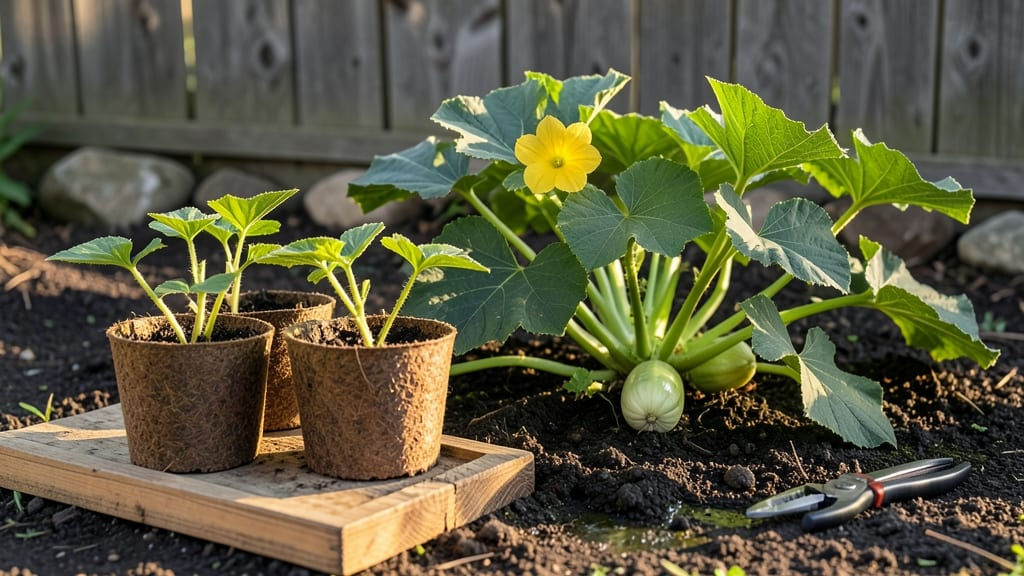
Planting squash in Zone 6 after the last frost—typically mid-April to early June—sets the stage for a bountiful harvest 🎃.
Timing is everything when growing squash in Zone 6—plant too early and frost will ruin your crop, too late and you’ll miss peak harvest season. Get the perfect window to maximize yields and avoid common mistakes.
Most gardeners in Zone 6 wait until soil temperatures hit at least 60°F, which usually aligns with late May in most areas. This ensures strong germination and healthy growth before summer’s heat arrives.
Below, I’ll break down the exact frost-free dates, soil prep tips, and how to adjust planting for early or late harvests—so you can grow squash like a pro.
Zone 6 squash planting calendar: exact dates by variety type
Getting your squash varieties in the ground at the right time is critical in Zone 6. The difference between a bountiful harvest and wasted effort often comes down to soil temperature and frost timing.
In Zone 6, we typically see our last frost around mid-April, but that doesn't mean it's time to plant—soil needs to warm up first.
Squash thrives when soil temperatures reach at least 55-60°F. Using a soil thermometer is the best way to confirm readiness. If you plant too early, your seeds will rot in cold soil, while planting too late might cut your harvest short before the first frost in mid-October.
Let’s break down the best planting windows for different squash types.
🌱 Key Takeaway: Summer squash (like zucchini) grows faster and can handle cooler soil, while winter squash (like pumpkins) needs warmer soil and a longer growing season. Adjust your planting dates accordingly.
For summer squash varieties like zucchini and yellow squash, aim to plant seeds directly into the garden once soil temperatures hit 55°F. These varieties are fast growers, often producing harvests within 45-55 days, so early planting is ideal.
If you're growing bush varieties, they’re perfect for small gardens and can even be planted in containers.
If you're growing vining summer squash like 'Straight Eight' zucchini, wait until soil temperatures reach 60°F to ensure strong root development. Vining varieties need more space, so plan to plant them slightly later—around early to mid-May—to give them time to establish before the growing season winds down.
Winter squash, including pumpkins and butternut squash, requires warmer soil and a longer growing season. These varieties need 60°F soil and typically take 70-100 days to mature. Plant them between mid-May and early June to ensure they have enough time to develop before the first frost in mid-October.
For bush winter squash like 'Sugar Pie' pumpkins, you can plant slightly earlier—around early May—since they mature faster and take up less space. This gives them a head start while still allowing time for a full harvest before frost.
Pro tip: Use row covers or black plastic mulch to warm the soil faster if you're eager to plant earlier. This can shave off a week or two from your planting timeline, giving you an extended harvest window. Just remember to remove covers once flowers appear to allow pollinators access.
How to adjust planting dates for early vs. late harvests in Zone 6
Zone 6 gardeners face a tricky balance—plant squash too early and a late frost will kill seedlings, but delay too long and you’ll miss the harvest window. The key is flexibility: adjust timing based on your goals for early harvests (like zucchini) or late-season storage (like winter squash).
Here’s how to extend your growing season strategically.
For early harvests, start squash indoors 3-4 weeks before your last frost date (around April 15 in Zone 6). Use grow lights to jumpstart seedlings, then transplant hardened-off plants into warmed soil (at least 60°F) 1-2 weeks before the last frost.
This gives summer squash varieties like zucchini a head start for July harvests.
- 1. Use row covers for 2-3 weeks after transplanting to protect seedlings from late frosts while allowing sunlight. Remove covers once plants are established (4-5 inches tall).
- 2. Transplant seedlings in staggered batches every 2 weeks to extend harvests. Plant half your seeds at the standard time and the other half 4-6 weeks later for a continuous yield.
- 3. Succession plant fast-maturing varieties like bush squash every 10-14 days from mid-May to early June. This ensures a steady supply of summer squash through August.
- 4. Choose cold-hardy varieties like ‘Early Prolific Straightneck’ (summer squash) or ‘Waltham Butternut’ (winter squash) for Zone 6. These tolerate cooler soils better than tender varieties.
- 5. Extend the season with black plastic mulch or straw mulch to warm soil faster in spring and retain heat in fall. This lets you plant 2-3 weeks earlier or harvest 2-3 weeks later.
For late harvests, focus on winter squash varieties like pumpkins or acorn squash, which mature slower and store well. Plant these 4-6 weeks after your standard date (around late May to early June) to ensure they ripen before the first frost (mid-October in Zone 6).
Use row covers in early fall to protect developing fruits from light frosts.
Pro tip: Monitor your local frost dates using the Almanac’s Frost Calculator and adjust your timeline accordingly. In Zone 6b (warmer sub-zone), you might push harvests into early October, while Zone 6a gardeners should aim to finish by mid-September.
Always prioritize soil temperature over calendar dates—60°F+ is non-negotiable for squash germination.
By combining these strategies, you can double your harvest window in Zone 6, enjoying fresh squash from early July to late September—or even longer with proper storage. The secret? Flexibility and seasonal extensions tailored to your microclimate. 🎃