
How To
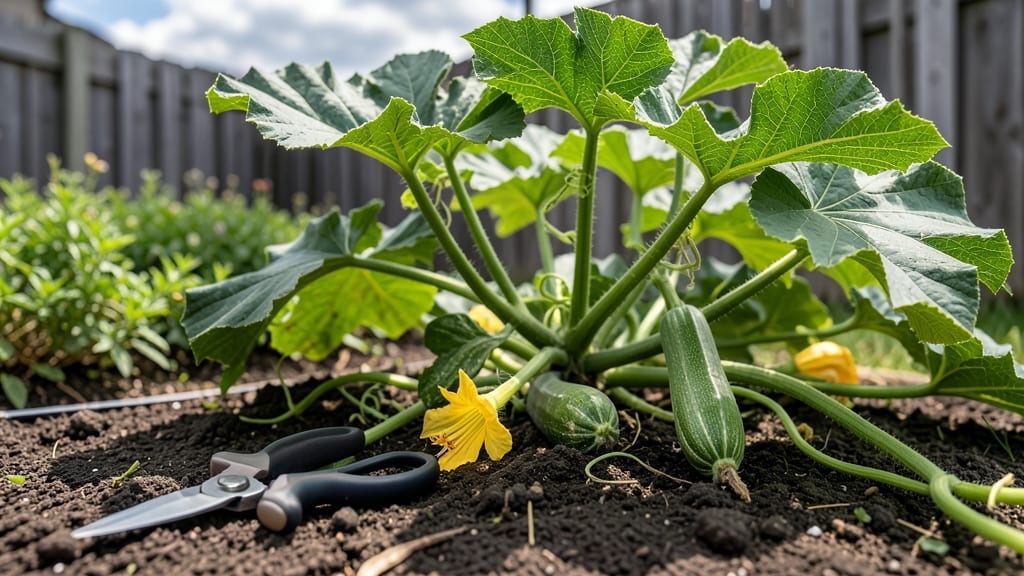
Growing squash from seed to harvest takes 45 to 85 days, depending on the variety and growing conditions—far longer than you might expect if you’ve only ever bought them at the store.
Picture this: you plant your seeds in early May, and by late July, you’re picking heirloom butternuts or zucchini straight from the vine.
But here’s the catch—summer squash like zucchini can be ready in as little as 45 days, while winter varieties like pumpkins or acorn squash take closer to 85 days or more to fully mature.
What’s the difference? It’s all about the variety, soil warmth, and how much sunlight your plants get. Too little sun or inconsistent watering can stretch that timeline by weeks, while ideal conditions—like those in USDA Zone 6a—can speed things up.
I’ve seen squash go from sprout to harvest in 60 days when everything aligns just right.
In this guide, I’ll break down the exact stages of squash growth, how to spot when it’s truly ready to pick, and the simple tweaks that can shave days off your harvest time—so you’re not left waiting months for that first ripe 🎃.


Squash growth timeline: days to maturity by variety
Growing squash is rewarding, but the days to maturity vary dramatically between summer squash (like zucchini) and winter squash (like butternut). Understanding these timelines helps you plan your garden and avoid disappointment when your harvest window arrives unexpectedly.
Summer squash, for example, can produce edible fruit in as little as 45 days, while winter squash varieties often take 85-120 days to reach full maturity.
Each stage—from seed germination to vine development, flowering, and fruit ripening—plays a critical role in the total timeline. For instance, zucchini may sprout in just 5-10 days but won’t be ready to harvest until 50-60 days after planting.
Meanwhile, pumpkins can take 100+ days to mature, requiring patience and careful planning. Let’s break down the key differences so you can set realistic expectations for your garden.
Summer squash varieties like zucchini and yellow squash are the speed demons of the squash world. They germinate quickly—often within 5-10 days—and can produce harvestable fruit in as little as 45 days.
This makes them perfect for gardeners with shorter growing seasons or those who want a quick reward. The key is to harvest regularly to encourage more production, as these varieties tend to produce prolifically once established.
Winter squash, on the other hand, demands patience and planning. Varieties like butternut and acorn squash take 80-100 days to mature, while pumpkins can stretch the timeline to 120 days or more.
These squash types focus on developing a hard rind and storing nutrients for long-term use, which requires more time. If you’re growing winter squash, start seeds indoors 4-6 weeks before your last frost date to give them a head start.
One common misconception is that all squash varieties follow the same timeline. In reality, the growth stages
Factors that speed up or delay squash harvest time
Growing squash successfully depends on more than just planting seeds and waiting—soil temperature, sunlight exposure, and watering consistency all play critical roles in how quickly your plants mature. Even the type of fertilizer you use can either accelerate growth or stall it entirely.
Understanding these factors helps you optimize your harvest timeline, whether you're growing zucchini in 50 days or butternut squash in 90 days.
For example, summer squash varieties like zucchini thrive in warm soil (70°F+) and can mature in as little as 45-55 days, while winter squash like pumpkins need cooler nights to develop their sweetness and may take 80-100 days.
If your soil stays too cool, germination slows, and vines grow slowly, delaying your harvest by weeks. Let’s break down the key variables that control your squash’s growth speed.
One of the biggest mistakes I see is over-fertilizing with nitrogen early in the season. While it might make your squash plants grow taller leaves faster, it actually delays fruit production because the plant focuses on foliage instead of flowers.
For faster harvests, switch to a phosphorus-heavy fertilizer (like 5-10-10) once flowers appear to encourage blooming and fruiting.
Pests like squash vine borers and aphids can also sabotage your timeline. These critters chew through vines, causing wilting and stunted growth. I’ve found that neem oil or kaolin clay applied every 2 weeks keeps infestations in check without harming beneficial insects.
If you notice yellowing leaves or hollow stems, act fast—these are red flags for vine borers.
Finally, don’t underestimate the power of mulching. A thick layer of straw or grass clippings keeps soil moist and cool, which is especially helpful in hot climates where squash can bolt (flower too quickly) or develop bitter fruit.
Mulch also suppresses weeds, reducing competition for nutrients and water—both of which speed up your harvest timeline.
By tweaking these five factors, you can shave 10-20 days off your squash’s growth cycle. Start with soil warmth and sunlight, then fine-tune with watering and fertilizer adjustments. Before you know it, you’ll be harvesting homegrown squash weeks earlier than expected! 🌱