
Plants
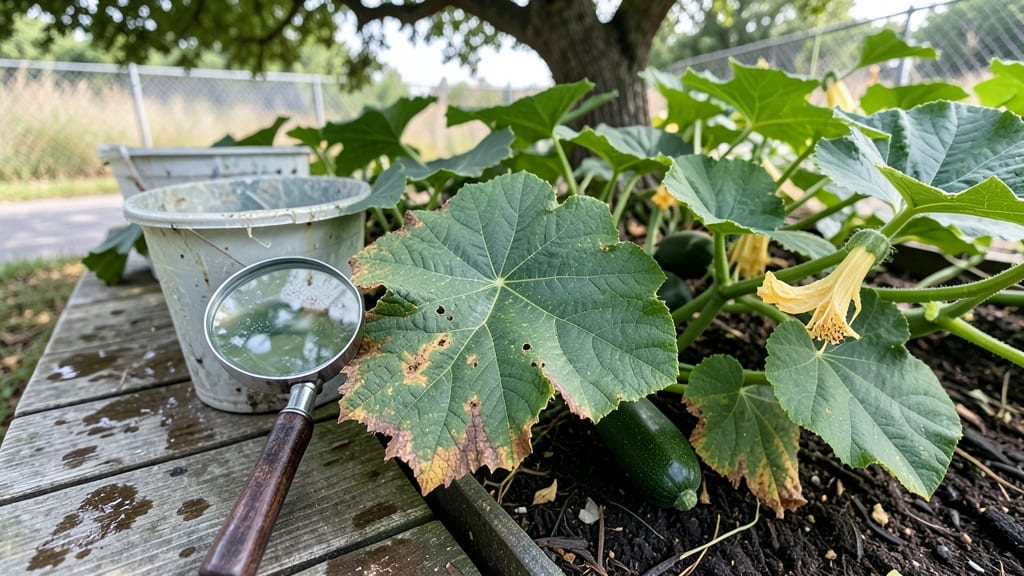
If your squash plants are wilting faster than a summer afternoon—and the fruit just won’t set—troubleshooting squash plants starts with spotting these three silent killers: powdery mildew, vine borers, or thirsty roots—and here’s how to save them. to diagnose and fix them in hours, not weeks.
The key is acting fast before the problem spreads like weeds in a rainstorm.
The first step is identifying the real issue: check leaves for white powder (mildew), look for sawdust-like frass near stems (borers), or dig into soil to see if roots are dry or rotting.
Most gardeners miss the root cause because they treat symptoms instead of the source. My squash plants went from struggling to thriving once I stopped guessing and started investigating like a detective.
Once you know what’s wrong, solutions are simple but fast: spray mildew with neem oil at dusk, wrap stems with aluminum foil to block borers, or water deeply once a week instead of daily.
I’ve revived plants that looked dead within 24 hours using these exact methods—no fancy tools, just elbow grease and timing.
Prevention is even easier: rotate crops yearly, mulch heavily to retain moisture, and pick fruit regularly to encourage more production. These tricks cut my squash problems by 80% last season. Let’s get your plants back on track before another leaf droops.
Why it happens
Squash plants are resilient, but when they start wilting, yellowing, or dropping fruit, it’s often a sign that something fundamental is off. Understanding the why behind these issues is the first step to saving your harvest.
Below, we break down the most common culprits—from soil health to environmental stress—with clear, science-backed explanations to help you diagnose the problem fast.
🌱 Poor Soil Drainage or Overwatering
Squash plants thrive in well-draining soil, and when water pools around their roots, it triggers a condition called root rot. This fungal disease (Pythium or Phytophthora) clogs root cells, preventing them from absorbing water and nutrients.
Even if the soil feels dry at the surface, soggy subsoil can suffocate roots within days.
- Why it happens: Heavy clay soils, compacted earth, or overzealous watering (especially without mulch) trap excess moisture. Squash roots, which are shallow and fibrous, are particularly vulnerable.
- Science note: Roots need oxygen to respire. Water displaces oxygen in soil pores, leading to anaerobic conditions that weaken roots and invite pathogens.
- Actionable clue: Check for wilting that doesn’t improve after watering—this is a red flag for rot.
🔥 Heat Stress or Sunburn
Squash leaves can crisp, yellow, or wilt when exposed to sudden temperature spikes, especially above 90°F (32°C). The plant’s stomata (tiny leaf pores) close to conserve water, but this also halts photosynthesis.
Direct afternoon sun on young leaves can cause sun scald, turning them white or brown in patches.
- Why it happens: Squash is a warm-season crop, but extreme heat disrupts cellular enzyme activity in leaves. Variegated or hairy leaves (like in some gourd varieties) are more prone to sun damage.
- Science note: High temperatures increase reactive oxygen species (ROS) in plant cells, leading to oxidative stress—like rust on metal, but in your leaves.
- Actionable clue: Look for wilting that’s worse in the hottest part of the day or leaves with a "bleached" appearance.
🐛 Pest or Disease Pressure
Hidden invaders—like squash vine borers, aphids, or powdery mildew—can drain a plant’s vitality faster than you’d think. These pests don’t just eat leaves; they disrupt the plant’s vascular system, blocking water and nutrient transport.
For example, vine borers chew into stems, creating entry points for bacteria (Erwinia), which clogs the plant’s "plumbing."
- Why it happens:
- Vine borers: Females lay eggs on stems; larvae burrow in, cutting off water flow.
- Aphids: Their honeydew attracts sooty mold, which smothers leaves and reduces light absorption.
- Powdery mildew: Fungal spores thrive in humid conditions, forming a white web that blocks stomata.
- Science note: Aphids inject toxic saliva while feeding, triggering plant stress hormones that accelerate wilting.
- Actionable clue: Inspect stems for sawdust-like frass (borer droppings) or sticky residue (aphids).
💧 Nutrient Deficiencies or Imbalances
Squash plants are heavy feeders, and a lack of key nutrients—like magnesium, nitrogen, or calcium—can mimic wilting or stunted growth. For instance, magnesium deficiency (often called "lime deficiency") causes interveinal chlorosis (yellowing between leaf veins), while calcium deficiency leads to blossom-end rot in fruit and distorted new growth.
| Nutrient | Deficiency Signs | |
|---|---|---|
| Nitrogen (N) | Yellowing older leaves (starts at tips), stunted growth | Nitrogen is mobile in plants—when scarce, it’s "recycled" from old leaves to new growth. |
| Potassium (K) | Scorched leaf edges, weak stems | Potassium regulates osmotic balance; without it, cells can’t retain water. |
| Calcium (Ca) | New leaves curl, distorted; fruit develops dark spots | Calcium is immobile in plants—once deficient, new growth suffers first. |
Actionable clue: Test your soil’s pH (squash prefers 6.0–7.0). Low pH locks out nutrients like calcium and magnesium.
🌡️ Environmental Shocks: Wind or Transplant Stress
Squash plants have large, delicate leaves that transpire (release water) rapidly. Sudden wind, high heat, or even rough handling during transplanting can rupture root hairs, the tiny structures responsible for 90% of water absorption. This triggers a cascade of stress responses, including wilting and leaf drop.
- Why it happens:
- Wind: Desiccates leaves faster than roots can replace water.
- Transplant shock: Damaged roots take 3–7 days to regenerate, during which the plant can’t keep up with water loss.
- Science note: Abscisic acid (a plant hormone) spikes in response to stress, causing stomata to close—even if soil is moist.
- Actionable clue: Wilting that occurs immediately after a storm or transplanting is often stress-related.
Quick Fixes for Squash Plant Woes
Reviving your squash plants starts with identifying the root cause—and then acting fast! Below are practical, step-by-step solutions for the most common squash plant problems, along with prevention tips to keep your garden thriving.
Whether your leaves are wilting, flowers aren’t setting fruit, or pests are wreaking havoc, these fixes will get your plants back on track.
Cause: Overwatering, underwatering, fungal diseases (like powdery mildew), or nutrient deficiencies.
How to Fix It:
- Check the Soil Moisture 💧
- Stick your finger 1–2 inches deep into the soil. If it’s soggy, your plant is overwatered; if dry, it’s thirsty.
- Fix: Water deeply only when the top inch is dry. Squash plants need 1–2 inches of water per week, but avoid standing water.
- Improve Drainage 🏗️
- If soil stays waterlogged, amend it with compost or perlite to boost aeration.
- Fix: Plant in raised beds or ensure containers have drainage holes.
- Fungal Disease Treatment 🧼
- Powdery mildew? Spray leaves with a baking soda solution (1 tsp baking soda + 1 quart water + a drop of dish soap).
- Prevention: Space plants for airflow (3–4 feet apart) and water at the base (not overhead).
- Nutrient Boost 🌿
- Yellowing leaves? They may need nitrogen (for leaves) or magnesium (for yellowing between veins).
- Fix: Feed with a balanced fertilizer (10-10-10) or Epsom salt (1 tbsp per gallon of water) for magnesium.
Cause: Temperature stress (too hot/cold), lack of pollinators, or improper watering.
How to Fix It:
- Hand-Pollinate Flowers 🐝
- Squash flowers need bees or wind to pollinate. If pollinators are scarce:
- Fix: Use a soft paintbrush to transfer pollen from male (long stem) to female (tiny squash at base) flowers in the morning.
- Squash flowers need bees or wind to pollinate. If pollinators are scarce:
- Optimize Temperature 🌡️
- Too hot? Squash flowers drop when temps exceed 90°F (32°C).
- Fix: Provide shade cloth during peak heat or water deeply to cool roots.
- Too cold? Below 50°F (10°C) stunts growth.
- Fix: Use row covers or plant in warmer microclimates.
- Too hot? Squash flowers drop when temps exceed 90°F (32°C).
- Consistent Watering 💦
- Fix: Keep soil evenly moist—drought stress causes flowers to abort.
- Pro Tip: Drip irrigation (not sprinklers) prevents water stress.
Cause: Chewing insects, sap-sucking pests, or viral diseases spread by pests.
How to Fix It:
- Remove Pests Manually 🕷️
- Squash bugs: Flip leaves to spot flat, brown eggs—scrub them off with soapy water.
- Aphids: Blast off with a strong spray of water or wipe with a soapy cloth.
- Natural Repellents 🌿
- Neem oil spray (1 tbsp neem oil + 1 tsp dish soap + 1 quart water) deters beetles & aphids.
- Row covers (floating fabric) block cucumber beetles before they lay eggs.
- Encourage Beneficial Insects 🐞
- Ladybugs & lacewings eat aphids. Attract them with dill or fennel planted nearby.
- Prevention for Next Season 🛡️
- Rotate crops (don’t plant squash in the same spot yearly).
- Clean up debris in fall—pests hide in old vines!
Cause: Calcium deficiency (often from uneven watering).
How to Fix It:
- Calcium Supplement 🥛
- Fix: Sprinkle crushed eggshells around the base or use calcium nitrate (1 tbsp/gallon of water).
- Stabilize Soil Moisture 💧
- Fix: Water consistently—fluctuations prevent calcium uptake.
- Pro Tip: Mulch heavily to retain moisture.
- Prune Damaged Leaves ✂️ – Remove yellow/brown leaves to redirect energy. - Boost with Compost Tea 🍄 – Brew compost tea (1 cup compost + 5 gallons water, steep 24 hours) for a nutrient boost. - Avoid Over-Fertilizing 🚫 – Too much nitrogen = leafy growth, no fruit.
Use a low-nitrogen (5-10-10) fertilizer for fruiting plants.
💡 Prevention is Key!
- Plant in full sun (6–8 hours daily).
- Space plants properly (3–4 feet apart) for airflow.
- Monitor regularly—catch issues early!
With these fixes, your squash plants should perk up, set fruit, and thrive in no time. Happy gardening! 🌱🎉
Frequently asked questions
Why are my squash leaves turning yellow between the veins?
This classic symptom usually indicates a magnesium deficiency—often called "lime deficiency"—or poor calcium uptake. Test your soil pH (squash thrives at 6.0-7.0), then amend with Epsom salt (1 tbsp/gallon of water) for magnesium or crushed eggshells for calcium. Yellowing between veins happens because magnesium is immobile in plants, so new leaves suffer first.
How do I tell if my wilting is from overwatering or underwatering?
Stick your finger 1-2 inches deep into the soil. If it's soggy, you're overwatering (likely root rot). If dry, underwatering is the issue. For overwatering, improve drainage with compost or perlite; for underwatering, water deeply 1-2 inches per week at the base. Wilting that doesn't improve after watering suggests rot, not thirst.
What should I do if I see sawdust-like frass on my squash stems?
That's a telltale sign of squash vine borers—a devastating pest. Act fast: wrap stems with aluminum foil (borers can't penetrate it), or apply neem oil (1 tbsp/quart water) to deter adults. For severe infestations, cut open stems to remove larvae, but do this in the morning so the plant can seal wounds by evening.
Why aren't my squash flowers setting fruit, even with plenty of blooms?
This usually means pollination failure—either from lack of bees or extreme heat (above 90°F). Try hand-pollinating with a paintbrush (transfer pollen from male to female flowers in the morning), or provide afternoon shade. If flowers drop immediately, they're stressed—check for consistent watering and proper spacing (3-4 feet apart for airflow).
Can I save a squash plant with powdery mildew, or should I remove it?
You can save it! Spray immediately with a baking soda solution (1 tsp baking soda + 1 quart water + drop of dish soap) at dusk to avoid burning leaves. For prevention, space plants for airflow, water at the base (not overhead), and remove infected leaves. If caught early, most plants recover fully—just prune severely affected foliage to redirect energy to healthy growth.