
Vegetables
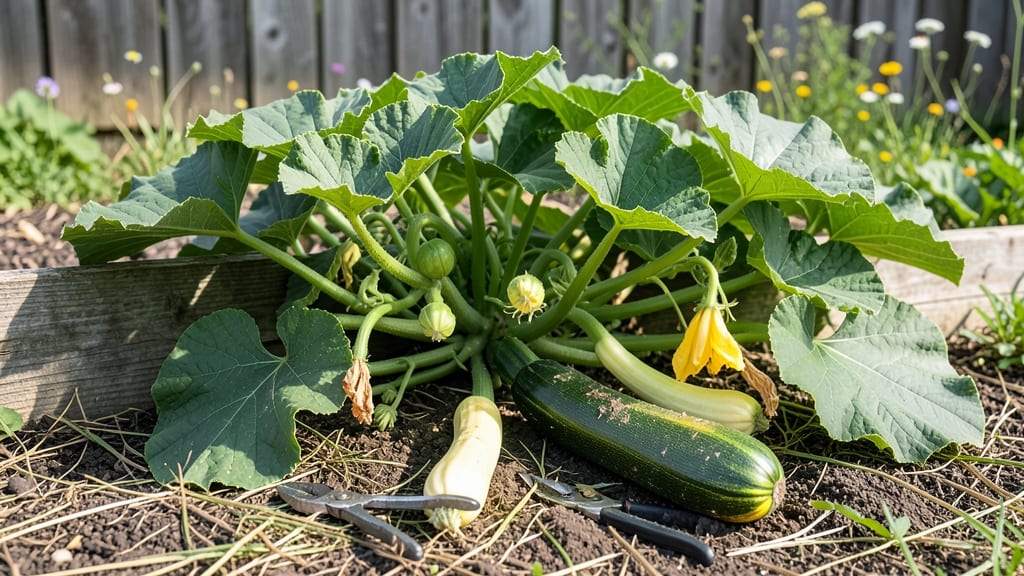
Growing summer squash 🎃 from seed to harvest takes about 45-60 days—far faster than most gardeners expect, especially when you know the right tricks.
If you've ever waited weeks for your summer squash plants to produce—only to be disappointed by slow growth—you're not alone. The truth is, with the right soil, sunlight, and care, these plants can deliver a bountiful harvest in just six weeks, not months.
In this guide, I'll break down the exact timeline from seed to harvest, plus the three biggest mistakes that slow down growth (and how to fix them). Whether you're a beginner or a seasoned gardener, these tips will help you get the most out of your summer squash plants.
Ready to go from seed to squash in record time? Let's dive into the stages, speed-up strategies, and common pitfalls that could be holding back your harvest.


Summer squash growth stages: timeline from seed to harvest
Understanding the summer squash growth stages helps you set realistic expectations and troubleshoot delays. From seed to harvest, these plants typically mature in 45-60 days for fast varieties like 'Early Prolific Straightneck' or 'Yellow Crookneck'.
Each stage—germination, leaf development, flowering, and fruiting—depends on temperature, sunlight, and soil conditions to stay on track.
Most gardeners start seeds indoors 2-4 weeks before the last frost, then transplant seedlings after soil warms to 60°F+. This timing ensures your plants enter the fastest growth phase—from transplant to harvest—during peak summer warmth. Without proper conditions, however, even quick-maturing varieties can stretch beyond 60 days.
| Stage | Duration | Key Actions | Critical Factors |
|---|---|---|---|
| Germination | 3-10 days | Keep soil at 70-85°F, moist but not soggy | Warm soil, consistent moisture |
| Seedling | 10-14 days | Hardening off, transplant after frost | Sunlight (6+ hours/day), gentle wind |
| Vegetative | 14-21 days | Fertilize lightly, mulch to retain moisture | Nitrogen-rich soil, consistent water |
| Flowering | 7-10 days | Hand-pollinate if needed, remove male flowers | Bees, warm days (75°F+), phosphorus boost |
| Fruiting | 14-21 days | Harvest small (6-8"), fertilize lightly | Sunlight, potassium, regular harvests |
The first stage, germination, begins when seeds absorb moisture and sprout in 3-10 days. Keep soil consistently moist but avoid waterlogging, which causes rot.
If your seeds take longer than 10 days, check soil temperature—it should stay between 70-85°F. Cool soil slows germination significantly, extending this stage by weeks.
Once seedlings emerge, they enter the vegetative growth phase, where they develop leaves and a sturdy stem. This phase lasts 14-21 days and is critical for establishing a strong root system.
During this time, provide 6+ hours of sunlight daily and harden off seedlings gradually if starting indoors. Without enough light, plants become leggy and weak, delaying flowering.
Flowering begins around day 30-40, marking the transition to fruit production. Summer squash flowers are self-pollinating, but bees or gentle hand-pollination (using a paintbrush) ensures better fruit set.
If temperatures drop below 75°F, flowering slows, extending the timeline. Remove male flowers if you want to focus energy on female flowers (which bear fruit).
Fruiting is the final stage, where summer squash grows rapidly in just 14-21 days. Harvest when squash reaches 6-8 inches long and skin is tender but firm.
Overripe squash becomes tough and seedy. During this phase, maintain consistent moisture and fertilize lightly with a potassium-rich blend to support fruit development.
Environmental factors like temperature and sunlight directly impact growth speed. Ideal conditions—75-85°F and full sun—accelerate maturation, while cool weather or shade can double the timeline. For example, 'Early Prolific Straightneck' may take only 45 days in warm climates but stretch to 60+ days in cooler regions.
To maximize speed, start seeds early indoors, use black plastic mulch to warm soil, and choose fast-maturing varieties. Avoid overcrowding plants, as competition for nutrients slows growth. With the right care, you can enjoy a bountiful harvest in just 6 weeks—far faster than many gardeners expect!
🌱
How to speed up summer squash growth: pro tips for faster harvests
Summer squash thrives when given the right conditions, and with a few strategic tweaks, you can shave weeks off the 45-60 day growth timeline. The key lies in optimizing soil nutrition, water management, and plant health from day one.
I’ve learned that even a small adjustment—like adding compost or adjusting watering schedules—can make a huge difference in how quickly your plants produce.
Let’s start with the foundation: your soil. Summer squash is a heavy feeder, meaning it demands rich, nitrogen-packed soil to grow fast. If your garden soil feels tired, amend it with 2-3 inches of compost or a balanced 10-10-10 fertilizer before planting.
This gives your plants an instant energy boost, helping them reach the flowering stage faster. I always mix in a handful of worm castings for extra microbial activity—it’s like giving your plants a vitamin shot!
- 1. Soil Prep: Amend with compost + nitrogen (e.g., blood meal or fish emulsion) to fuel rapid growth. Aim for 60-70% organic matter.
- 2. Watering: Keep soil consistently moist (1-2 inches per week) but avoid waterlogging. Use drip irrigation to target roots directly.
- 3. Pruning: Remove lower leaves to improve airflow and sunlight penetration. Pinch off side shoots to direct energy to main vines.
- 4. Companion Planting: Pair with marigolds or nasturtiums to repel pests like squash bugs and cucumber beetles.
- 5. Pollination Boost: Gently shake plants or hand-pollinate flowers (use a paintbrush!) to ensure fruit set in 7-10 days.
Watering is another critical factor. Summer squash loves moisture, especially during flowering and fruiting, but soggy soil can stunt growth. I water deeply in the morning to reduce evaporation and fungal risks.
A 5-gallon bucket per plant, applied at the base, ensures roots get the hydration they need without wasting water. Mulching with straw helps retain moisture and keeps soil temperatures steady—another hack I swear by!
Don’t overlook the power of pruning and training. While summer squash vines can sprawl, directing their energy toward main vines and flowers speeds up harvests. Remove any yellow or diseased leaves immediately, and pinch off excessive side shoots to encourage larger, healthier fruit.
I also tie vines to small stakes for better airflow, which cuts down on mildew and pests—both of which can slow growth dramatically.
Companion planting is a game-changer for summer squash. Marigolds and nasturtiums are my go-to pest deterrents, keeping squash bugs and beetles away without chemicals. I plant them in a 3:1 ratio around the perimeter of my squash patch.
Additionally, interplanting with bush beans adds nitrogen to the soil naturally, further boosting plant vigor. It’s a win-win for both plants and your garden ecosystem!
Finally, don’t forget about pollination. Even with perfect conditions, poor pollination can delay fruit production. If your squash flowers aren’t setting fruit within 7-10 days, give them a helping hand.
Use a soft paintbrush to transfer pollen from male to female flowers (female flowers have tiny squash bumps at their base). This trick has helped me double my yield in just a few weeks—trust me, it’s worth the effort!
With these strategies, you’ll see noticeable growth acceleration and could shave 10-15 days off the typical harvest timeline. The secret? Attention to detail and proactive care. Happy gardening—your summer squash will thank you with a bountiful, speedy harvest! 🌱