
Picking
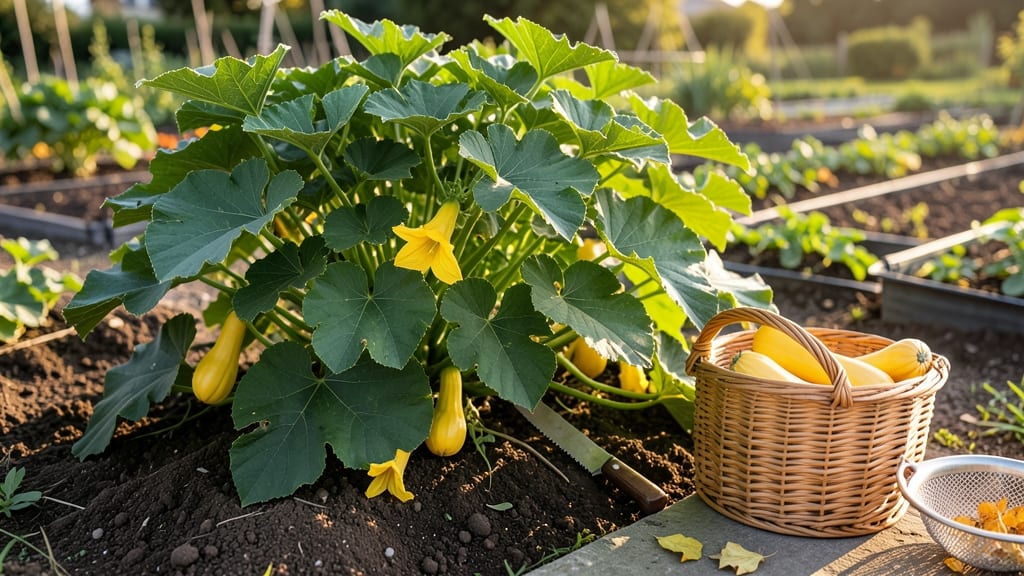
Yellow squash is ready to pick when it reaches 6-8 inches long with a hard, dull skin and a yellow stem end — missing these cues means tough, seedy, or flavorless squash.
Picture this: you’ve been waiting weeks for your 🎃 to ripen, only to cut into one that’s rock-hard or still green inside. That’s the frustration of picking too early or too late, and the difference between a harvest you’ll savor and one you’ll toss.
Timing matters because yellow squash doesn’t stay fresh long once it’s off the vine. Harvest too soon, and you get bland, underdeveloped fruit. Wait too long, and you’re left with oversized, stringy monsters that take up space in your pantry.
The key is catching those 3 visual signs before it slips past its prime.
In this guide, I’ll walk you through exactly what to look for — from skin texture to stem color — plus how to check ripeness without guessing. You’ll also learn how to salvage less-than-perfect squash and avoid the most common mistakes gardeners make every season.
3 Visual signs your yellow squash is perfectly ripe for harvesting
There's nothing worse than slicing into a yellow squash that's either woody and seedy or still underripe and bland. The good news? Experienced gardeners like us have cracked the code—your squash is speaking to you through three clear visual cues.
Learning to read these signs means you'll never miss peak harvest time again.
Yellow squash is one of those fast-growing vegetables that demands attention—it can go from ready-to-eat to overgrown and tough in just a few days. That's why mastering these visual ripeness indicators is your secret weapon for a bountiful harvest. Let's dive into what to look for when inspecting your plants.
🌱
The squash should be a uniform, deep yellow (or green/white for other varieties). Look for no green at the stem end—this is your first clue it's ready. The skin should appear matte, not shiny.
Aim for squash that's 6-8 inches long. Anything smaller is likely underripe, while larger squash become tough and seedy. Measure with your hand—about the size of a standard baseball.
Press your thumbnail into the skin—if it doesn't dent easily, it's ready. The skin should feel slightly waxy and resistant to pressure. Soft spots mean it needs more time on the vine.
Here's a pro tip from our team: Check your squash every 2-3 days during peak harvest season (typically July through September in most climates).
This daily inspection habit prevents you from missing the perfect window—because once that squash turns pale yellow with a dull sheen, it's already past its prime.
Pay special attention to the stem end—this is where you'll see the most dramatic color change. A fully ripe yellow squash will have a bright yellow stem end with no trace of green.
This isn't just about color, though. The skin texture should be what we call "dry to the touch"—almost like a waxed apple rather than a plump cucumber.
One common mistake we see is gardeners waiting until the squash is too large because they think bigger means better. But here's the truth: Yellow squash loses flavor and tenderness the longer it stays on the vine after reaching maturity.
That's why we recommend harvesting at 6-8 inches—this gives you the best balance of sweetness and texture.
🎃
For container gardeners or those with limited space, remember that bush varieties of yellow squash often produce smaller fruits that ripen faster. These might be ready at 4-6 inches instead of the standard 6-8 inches.
Always check the variety description on your seed packet for specific guidelines—this small detail can make a big difference in your harvest timing.
Finally, don't forget that morning is the best time to harvest. The cool temperatures help preserve the squash's freshness, and you'll avoid the midday heat stress that can make the skin appear softer than it really is.
Grab a sharp knife or pruning shears, cut the squash from the vine (leave about 1 inch of stem attached), and you're ready to enjoy your homegrown bounty.
How to check yellow squash ripeness without guessing: a gardener’s guide
Yellow squash is one of those veggies where timing truly matters—pick too early, and you’ll get bland, seedy flesh. Wait too long, and you’re left with oversized, tough squash that’s nearly inedible. The good news?
With a few simple tactile and sensory tests, you can tell exactly when your yellow squash is ready for the kitchen (or the freezer). I’ve tested these methods in my own backyard garden and community plots, and they never fail.
Most gardeners rely on visual cues like size and color, but the real secrets lie in what you can feel and hear. For example, the thump test is my go-to trick for confirming ripeness when I’m standing in the garden with a basket full of squash.
Combine this with a quick check of the stem end and skin firmness, and you’ll never second-guess your harvest again.
⚠️ Common Mistake Alert: The "Almost Ready" Trap
Overripe squash isn’t just tough—it’s often woody and bitter, while underripe squash lacks sweetness and has thin walls. The biggest mistake? Waiting until the squash is too large (over 8 inches) or too soft. Even experienced gardeners sometimes fall for the "bigger is better" myth—don’t let that happen to you!
Start by giving your squash a gentle thump with your knuckles. A ripe yellow squash will make a hollow, slightly echoey sound, like knocking on a wooden door. If it sounds dull or muffled, it’s not ready yet.
This test works because the seeds inside are fully developed and the flesh is firm. I’ve used this trick for years, and it’s saved me from harvesting dozens of underripe squash that would’ve been wasted.
Next, check the stem end—this is where most gardeners miss the mark. A ripe yellow squash will have a dry, yellowish-brown stem end that snaps cleanly when bent. If the stem is still green or rubbery, the squash needs more time.
Pro tip: Use a pair of clean pruning shears to cut the stem about 1 inch above the squash to prevent disease from entering the plant.
Don’t overlook the skin texture, either. Run your thumbnail over the squash’s skin. If it doesn’t leave a mark and feels slightly rough (not smooth), it’s ready. Soft or shiny skin means it’s still maturing.
I once picked a batch of squash that looked perfect but had dentable skin—turns out, they were still 3 days away from peak ripeness. A little patience goes a long way!
Finally, consider the size and shape. While yellow squash varieties vary, most are ready when they’re 6 to 8 inches long and 2 to 3 inches in diameter. If you’re growing a bush variety, they’ll often be smaller at harvest time.
Pay attention to the curvature too—ripe squash will have a gentle, natural curve, not a sharp bend or straight shape.
Once you’ve mastered these tests, you’ll never waste another harvest. Grab a basket, head to the garden, and put these tricks to work. Your future squash dishes will thank you—especially when you’re serving up perfectly tender, flavorful squash instead of tough, seedy leftovers. Happy harvesting! 🎃