
How To
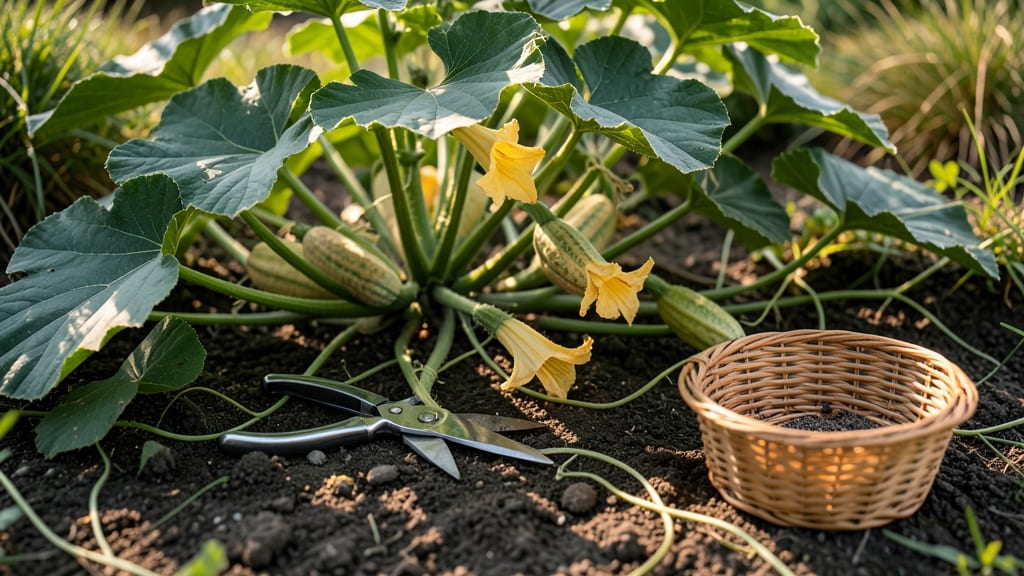
To tell when butternut squash 🎃 is ready to pick, look for a hard rind, dull skin, and a dry stem—these are the three foolproof signs that mean peak flavor and texture.
Picking butternut squash at the perfect moment means the difference between a sweet, flavorful harvest and a mealy, disappointing one—so how do you know when it’s truly ready?
Most gardeners wait too long, hoping for bigger squash, only to find them overripe and stringy. The secret is in the details: a thumbnail that can’t dent the skin, a stem that snaps cleanly, and seeds that look plump and mature inside.
Below, I’ll walk you through each step, from checking the skin color to testing the weight, plus the one common mistake that ruins even the best squash before they’re fully ripe.
5 Key signs your butternut squash is perfectly ripe for harvesting
Butternut squash thrives when you harvest it at the peak of ripeness. Unlike many vegetables, these squash don’t ripen further after picking, so timing is everything. The good news? Nature gives you clear visual and physical cues to know exactly when to harvest.
Ignoring these signs often leads to squash that’s either too hard or mealy inside—neither of which you want in your kitchen.
I’ve learned the hard way that counting days after planting isn’t enough—your local climate, soil conditions, and even rainfall can shift that timeline. Instead, focus on these five unmistakable signs that your butternut squash is ready to be picked.
These tricks have saved me from bitter disappointments and ensured sweet, flavorful harvests every season.
-
1Skin Color Changes: Look for a dull, matte finish instead of the shiny green skin. Ripeness shows when the color deepens to a tan or beige hue, especially near the stem.
-
2Stem Dries Out: The blossom end stem (near where the flower was) should be brown, dry, and shriveled. If it’s still green or pliable, wait a few more days.
-
3Hard Rind Test: Press your thumbnail into the skin. If it doesn’t puncture easily and feels firm, the squash is ready. A soft spot means it needs more time.
-
4Seed Development: Cut a small slice to check the seeds inside. They should be plump and mature, not shriveled or underdeveloped. This is a foolproof sign of ripeness.
-
5Size and Shape: A fully ripe butternut squash will be heavy for its size, indicating a high water content. The neck should also bulge slightly where it meets the body.
When checking your butternut squash, start with the skin color change—this is the most obvious clue. A dull, matte finish replaces the glossy green of immature squash. I always compare mine to a ripe acorn squash for reference; they share similar ripening cues but with a longer neck.
Pro tip: Avoid harvesting on rainy days, as excess moisture can make the skin appear deceptively ripe.
The stem condition is another game-changer. A dry, papery stem means the squash has stopped growing and is redirecting energy to seed maturation. If you see new vine growth or flowers, your squash isn’t ready yet—keep an eye on it for another week.
I’ve found that morning harvests work best because the squash is firmer after overnight cooling.
Don’t skip the thumbnail test—it’s the simplest way to avoid overripe squash. A ripe butternut squash should feel rock-hard when pressed. If your thumbnail sinks in, wait 3-5 more days.
I test multiple squash in a batch to ensure consistency, especially if they’re growing in uneven soil conditions. This step alone has saved me from wasting perfectly good squash.
For the seed check, slice a small section near the blossom end. The seeds should be fully formed and firm, not mushy or translucent. This internal cue is especially useful if the external signs are borderline.
I always cut one squash from each plant to confirm ripeness before harvesting the rest. Remember, butternut squash won’t sweeten after picking, so this step is non-negotiable.
Finally, pay attention to weight and shape. A ripe squash feels surprisingly heavy for its size, thanks to its high water content. The neck should also bulge slightly where it meets the body, indicating full development.
I balance squash in my hands to compare weights—this trick works even for beginners. If it feels light for its size, it’s not ready yet.
Harvesting at the right time ensures your butternut squash will store well for months in a cool, dry place. Once picked, cure them in a warm, sunny spot for 10 days to enhance sweetness.
I’ve had squash last until Christmas when stored properly—proof that timing everything right pays off big time.
Now that you know these five key signs, you’ll never second-guess when to pick your butternut squash again. Grab your pruners, check for these cues, and enjoy a harvest that’s sweet, flavorful, and perfectly ripe—just the way it should be. Happy harvesting! 🎃
Common mistakes that make you pick squash too early (and how to avoid them)
Relying on days-to-maturity estimates from seed packets is a classic mistake—those numbers assume ideal conditions, not your local climate or soil quality. A 90-day variety might take 110 days in cooler regions or poor-draining soil.
Always adjust your expectations based on your first frost date and growing season length.
Another trap is judging ripeness by size alone. A butternut squash can grow larger after reaching full maturity, so don’t harvest just because it’s big enough for your recipe. Instead, focus on physical cues like skin hardness and stem condition, which are far more reliable indicators.
🚨 CALLOUT-WARNING 🚨
⚠️ Don’t Trust the Calendar!
Butternut squash ripens based on environmental cues, not days. A hard rind and dry stem are better guides than seed packet timelines. In short seasons, prioritize these visual checks over rigid schedules.
🌱 Pro Tip: If your first frost is early, harvest when the squash is 75% ripe—it’ll finish ripening indoors with warmth and sunlight.
Overlooking soil conditions can also lead to premature picking. Compacted or nutrient-poor soil slows growth, making squash appear ready when they’re not.
Amend your beds with compost or well-rotted manure before planting to ensure steady development. Moisture stress—either too much or too little—can also trick you into thinking a squash is ripe when it’s actually struggling.
Some gardeners pick too early because they’re afraid of pests or frost. While it’s smart to harvest before the first frost, waiting until the squash is fully mature ensures better flavor and storage life.
If frost is imminent, prioritize hard-shelled varieties like Waltham Butternut, which can tolerate slightly cooler temperatures than tender-skinned types.
Finally, don’t ignore the blossom end of the squash. A dry, brown stem near the flower indicates maturity, while a green or moist stem means it needs more time. This is one of the most reliable ripeness tests—skip it at your peril!
Pair this check with the thumbnail test (pressing your nail into the skin) for foolproof results.
By avoiding these common pitfalls—calendar reliance, size assumptions, and soil neglect