
Blooming
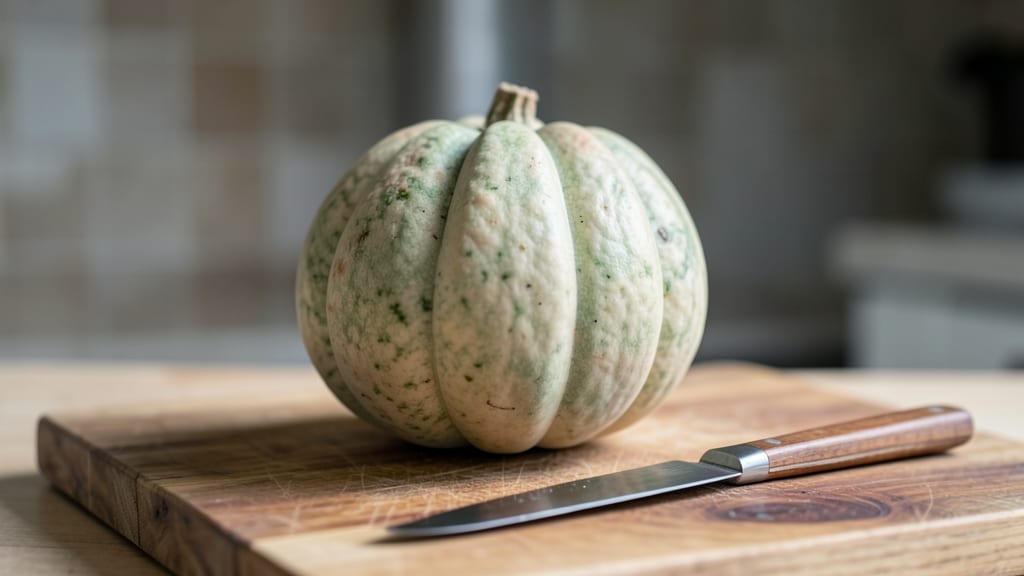
Acorn squash lasts 2 to 4 weeks on the counter when stored properly in a cool, dry spot with good airflow, though it may develop uneven ripening over time. Refrigerating before full ripeness can actually shorten its shelf life and cause spoilage.
Storing acorn squash at room temperature (around 60-70°F) helps preserve its natural sugars and texture.
The key is keeping it away from direct sunlight and moisture, which can accelerate spoilage. 🌿 I've noticed that squash stored in a well-ventilated pantry or on a kitchen counter lasts longest, while those in damp basements or near other produce (like apples) tend to ripen faster due to ethylene gas exposure.
If you're wondering how to tell when it's truly ready, look for a firm but slightly yielding skin when pressed gently. A fully ripe acorn squash will have a rich, sweet aroma near the stem.
Once cut, store the exposed flesh in an airtight container in the fridge for up to 5 days, but use it sooner if possible to enjoy peak flavor.
💡 In This Article
- Factors Affecting Acorn Squash Shelf Life
- Signs Your Acorn Squash Is Going Bad
Factors affecting acorn squash shelf life
Acorn squash's shelf life hinges on three critical factors: temperature, humidity, and ethylene gas exposure. These gourds thrive at 55-65°F—cooler than room temperature but warmer than refrigeration. Below 50°F, their cell walls break down faster, causing premature softening.
Meanwhile, high humidity (above 70%) promotes mold growth, while dry conditions (below 40%) cause the skin to shrivel and crack.
The ripening process accelerates when acorn squash is exposed to ethylene gas, a natural plant hormone emitted by fruits like apples, bananas, and tomatoes. 🌱 This is why storing squash near these produce items can cut its shelf life by 30-50%.
For example, a squash stored in a pantry with an apple might soften in 10-14 days instead of the expected 3-4 weeks. The solution? Keep squash in a separate, well-ventilated area—like a wooden crate on a counter—far from ethylene-producing neighbors.
Texture plays a surprising role too. A fully ripe acorn squash has a firm yet slightly yielding skin that gives 1-2 inches when pressed with moderate pressure. Overripe squash develops soft spots where the flesh turns mushy and loses its natural sweetness.
The key is to store them in a spot with circulating air—like a pantry shelf with a small fan—to prevent moisture buildup and maintain even ripening.
Light exposure matters as well. Direct sunlight triggers chlorophyll breakdown, causing the skin to yellow and the flesh to develop bitter notes. 🌞 Place squash in a dimly lit area where they receive indirect light, like a cupboard with a small window or a counter near a north-facing wall.
This preserves their vibrant orange hue and sweet flavor profile for longer.
Seasonal variations also influence shelf life. Summer squash (harvested in late summer) typically lasts 2-3 weeks due to higher moisture content, while winter squash (harvested in fall) can last 4-6 weeks thanks to thicker skin and lower water content.
The thicker the skin, the better the protection against spoilage.
If you're storing squash in a garden or greenhouse, aim for a location with 50-60°F temperatures and 50-60% humidity. Use breathable materials like burlap sacks or wooden crates to allow airflow while shielding from pests. Avoid plastic bins, which trap moisture and accelerate rot.