
Plants
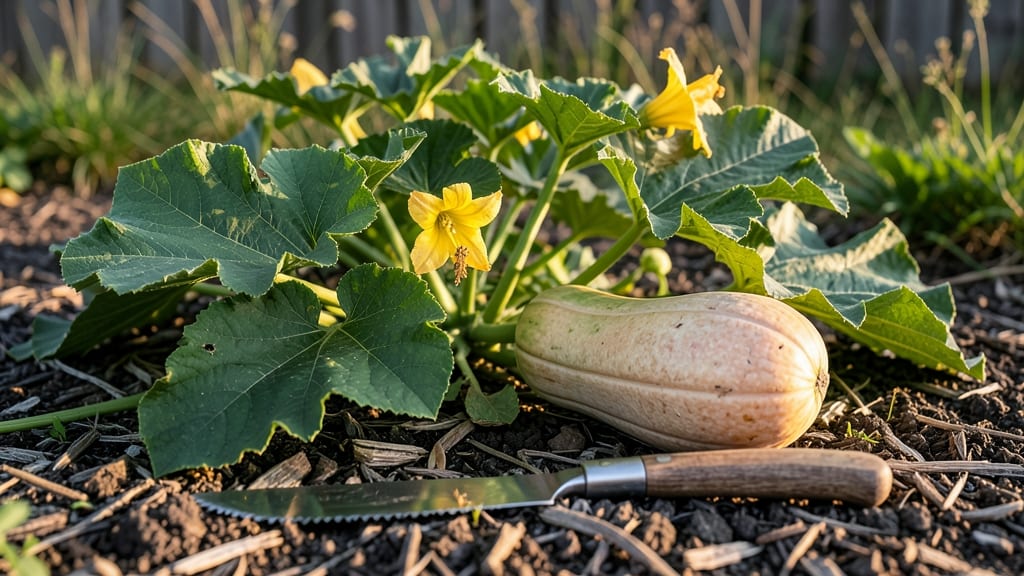
A ripe butternut squash 🎃 looks like a golden treasure—its skin turns a deep, creamy tan with no green patches, and the stem shrinks into a hard, papery nub.
Picking a ripe butternut squash at the store—or from your garden—can be tricky if you don’t know what to look for. One wrong choice means bland, tough flesh or wasted effort, but mastering these visual cues will ensure you always select (or harvest) the perfect squash every time.
Most gardeners overlook the stem or assume size alone means ripeness. The truth? A squash’s weight, shape, and skin texture tell the real story—and skipping these checks leads to disappointment.
Below, I break down the exact signs of ripeness, how to test it with just your hands, and the one trick that saves overripe squash from the compost pile.
Butternut squash ripeness checklist: skin, stem, and shape visual guide
Identifying a perfectly ripe butternut squash relies on three key visual cues: skin color, stem condition, and overall shape. These indicators work together to tell you whether your squash is ready to harvest or still needs time on the vine.
For gardeners, mastering these signs means avoiding tough, watery flesh or wasted effort growing underripe fruit.
At the store or in your garden, the first clue is the skin color. A ripe butternut squash develops a deep, tan or beige hue with minimal green patches.
The rind should feel hard enough to resist gentle pressure from your thumbnail. If the skin still shows significant green, the squash needs more time to mature.
Here’s how to quickly compare ripe vs. unripe characteristics using these three key features:
The stem condition is another critical indicator. A ripe butternut squash will have a dry, papery stem that feels brittle and shriveled. If you gently tug, it should separate easily from the fruit.
In contrast, an unripe squash will have a green, moist stem that resists separation and feels firm to the touch.
Shape plays a subtle but important role in ripeness. A fully mature butternut squash should have a smooth, symmetrical shape with no deep lumps or indentations. It should also feel heavy for its size, signaling that the flesh is dense and flavorful.
If the squash feels light or uneven, it’s likely underripe and needs more time on the vine.
For gardeners, checking these three visual cues before harvesting ensures you pick squash at peak ripeness. A ripe butternut squash will store well for months, while an underripe one may spoil quickly or develop bland flavor.
Always harvest when the skin is hard, the stem is dry, and the shape is smooth.
If you’re still unsure, combine these visual checks with a simple sound test. Tap the squash gently with your knuckles—ripe squash will produce a deep, hollow sound, while unripe ones sound dull or muffled. This extra step can confirm your visual assessment and help you avoid common mistakes.
Remember, the color transition from green to tan is gradual, so don’t rush harvesting just because the squash looks mostly beige. Wait until the entire surface shows consistent tan coloring with no green patches. This ensures the best flavor and texture when you’re ready to cook or store your harvest.
With these visual cues mastered, you’ll never second-guess whether your butternut squash is ready. Whether you’re shopping at the market or harvesting from your garden, confidence in ripeness means delicious results every time you slice into that golden flesh.
Common mistakes that trick gardeners into picking unripe squash
Even experienced gardeners can fall for deceptive visual cues when judging butternut squash ripeness. The biggest mistake? Assuming size equals maturity. A squash might look large but still have soft, watery flesh if harvested too early.
Similarly, color alone isn't reliable—some varieties develop tan patches prematurely, while others stay green longer.
Another trap is weight assumptions. A heavy squash might seem ripe, but if it’s overwatered or diseased, the weight comes from moisture or rot, not sweetness.
Even the stem condition can be misleading—some gardeners think a dried stem means ripeness, when it might just signal overmaturity or stress.
⚠️ CALLOUT-WARNING ⚠️
What a ripe butternut squash looks like:
- Skin: Hard, tan/beige with no green patches
- Stem: Dried and papery, not mushy or detached
- Shape: Smooth, symmetrical, no soft spots
🎃 Pro Tip: Tap it—ripe squash makes a hollow sound when tapped near the stem.
One of the most common errors is ignoring the neck. The bulbous "neck" of a butternut should be firm and fully developed. If it’s shriveled or underdeveloped, the squash likely didn’t reach full maturity.
Even worse, some gardeners harvest based on calendar dates—assuming all squash ripen on the same schedule, when variety and climate play huge roles.
Don’t overlook environmental red flags. Squash grown in shady conditions may develop uneven color or poor flavor, while those in extreme heat can ripen too fast, becoming woody or bitter. Even the soil quality matters—a nutrient-deficient plant might produce squash that looks ripe but lacks sweetness.
To avoid these pitfalls, combine visual checks with physical tests. Press your thumbnail into the skin—if it doesn’t puncture easily, it’s likely ripe. Also, check the stem attachment: it should be dry and slightly woody, not green or slimy. These steps separate confident harvests from guesswork.
Remember, patience pays off. A squash left on the vine too long becomes overripe and mealy, but one harvested too soon is underdeveloped and bland. Mastering these cues ensures you never waste another squash—just sweet, flavorful perfection. 🌱