
Vegetables
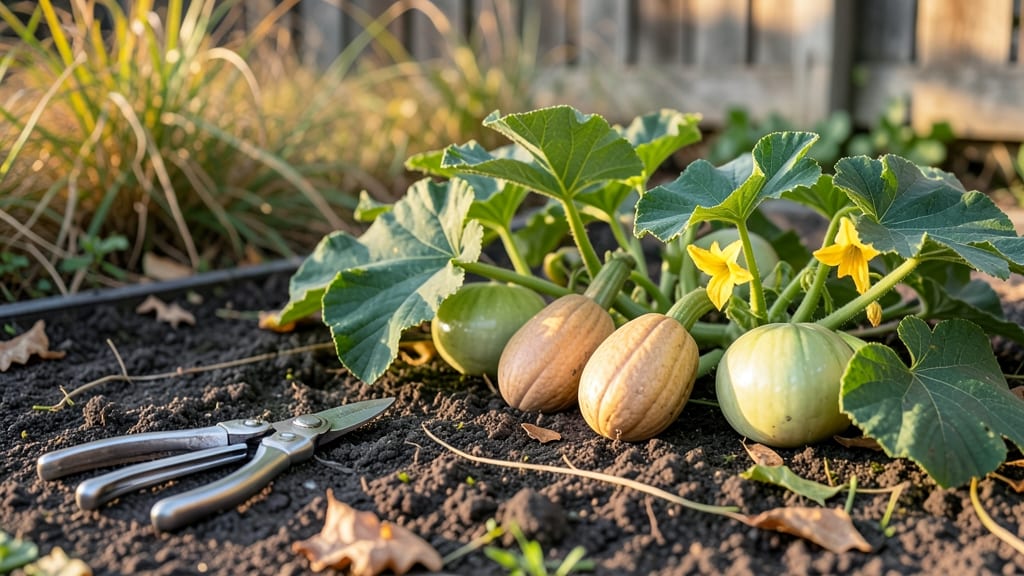
Knowing when is butternut squash ready to pick is key: the moment its skin hardens and turns a deep tan 🎃—a cue many gardeners overlook by judging ripeness by size alone.
Picking too early means bland, watery flesh that stores poorly, while waiting too long risks frost damage. The difference between a sweet, storable harvest and a disappointing one often comes down to these three key visual cues: skin color, stem condition, and seed development.
In USDA Zone 6a, where frost can arrive as early as mid-October, timing is critical. You’ll learn how to check for ripeness in just 3 simple steps, plus how to handle your harvest to keep it fresh for months.
Whether you’re a first-time grower or a seasoned gardener, this guide ensures you never guess again—just follow the signs your squash gives you.
3 Visual signs your butternut squash is perfectly ripe for harvesting
Harvesting butternut squash at the right moment transforms your garden into a treasure trove of sweet, nutty flavor. Unlike some vegetables that tolerate early picking, squash loses quality fast once mature—so knowing these 3 key visual cues will save you from bitter, watery disappointment.
The secret lies in watching for subtle changes in skin texture, stem condition, and seed development that signal peak ripeness.
I’ve learned the hard way that waiting for the perfect moment pays off. One year, I picked too early because the squash looked big enough, only to find the flesh was still pale and bland.
The difference between a 5-star harvest and a so-so one often comes down to these three overlooked details. Let’s break them down so you never miss the window again.
- 🟡 1. Skin Color Shift
Look for a matte tan or cream hue replacing green. Press your thumbnail into the rind—if it doesn’t puncture easily, it’s ready. - 🔥 2. Stem Hardening
The stem end should feel dry and woody, not moist. A brown, papery texture confirms ripeness—this is nature’s seal of approval. - ✅ 3. Seed Development
Cut open the blossom end to check for fully formed, plump seeds. If they’re dark and firm, the squash is at its sweetest.
The first sign to watch is the skin color change. Young butternut squash often start green or yellowish, but as they mature, the rind develops a dull tan or cream color. This isn’t just about aesthetics—it’s a clear indicator that the squash has finished its sugar development.
I always test ripeness by pressing my thumbnail into the skin. If it springs back without denting, it’s not ready. But when the skin feels thick and hard, like a mature pumpkin, that’s your cue to harvest within the next few days.
Don’t overlook the stem condition, which is often the most reliable indicator. A ripe butternut squash will have a stem that’s dried out and brown at the base, almost like it’s been sun-bleached. This happens because the plant stops sending nutrients to the fruit.
If you see green, moist stems, your squash still needs 2-3 more weeks to mature. Pro tip: Gently twist the stem—if it snaps cleanly, it’s ready. If it resists, wait a bit longer.
For the ultimate test, check the seeds inside. Cut off the blossom end (the smaller end opposite the stem) and peek at the seeds. Fully ripe butternut squash will have large, dark seeds that feel firm to the touch.
If the seeds are still small and pale, the squash needs more time on the vine. This step might feel like overkill, but it’s the surest way to guarantee sweetness. I’ve found that squash harvested at this stage stores 3-4 times longer than those picked early.
Timing is everything when it comes to butternut squash. If you miss the window, the squash can become woody and flavorless, or worse, rot on the vine. In my garden, I mark the planting date and use a harvest tracker to monitor progress.
Most varieties mature in 85-100 days, but cooler climates may extend this to 110 days. Pay attention to your local first frost date—butternut squash won’t ripen after frost, so plan accordingly.
One common mistake I’ve seen (even among experienced gardeners) is relying solely on size. A butternut squash can grow large without being fully ripe, leading to disappointment. Instead, combine all three signs: skin color, stem condition, and seed development.
When they all align, you’ve hit the sweet spot. For example, I once harvested a squash that was 20 inches long but still had green stems—turns out, it needed another week to develop proper flavor.
After harvesting, cure your butternut squash for 7-10 days in a warm, dry place (around 80°F) to enhance sweetness and toughen the skin. This step is non-negotiable if you want your squash to last through winter.
Store them in a cool, dark place with high humidity, and they’ll keep for 2-3 months. Properly cured and stored squash taste like autumn in every bite—worth the extra effort!
Next time you’re in your garden, take a closer look at your butternut squash. The visual cues are there if you know what to watch for. Mastering these signs will turn your harvest from good to exceptional, and trust me—your future self (and your taste buds) will thank you.
How long does it take for butternut squash to reach harvest readiness?
Butternut squash typically takes 75 to 100 days from planting to reach harvest readiness, depending on your growing conditions. This 90-day average gives you a solid benchmark, but real-world factors like climate, soil quality, and variety can shift that window by weeks.
In my experience, cooler regions might extend this timeline closer to 110 days, while warm climates can see harvests as early as 70 days for fast-maturing varieties.
Understanding this timeline helps you plan your garden layout and succession planting. For example, if you're in USDA Zone 6a like me, starting seeds indoors in early April ensures you'll have mature squash by late September—just before the first frost.
The key is balancing your last frost date with the squash's growth cycle to avoid premature harvests or wasted effort.
📋 Summary Table: Butternut Squash Growth Timeline
| Stage | Timeframe | Key Actions |
|---|---|---|
| Seed Germination | 7-14 days | Keep soil warm (70°F+) |
| Seedling Growth | 14-21 days | Thin to 2-3 ft apart |
| Vine Establishment | 30-45 days | Mulch to retain moisture |
| Flowering | 45-60 days | Hand-pollinate if needed |
| Fruit Development | 60-90 days | Monitor for pests |
| Harvest Ready | 75-100 days | Check skin hardness |
Your local climate plays a huge role in ripening speed. In hot, dry regions, butternut squash may mature 10-15 days faster than in cooler, cloudy areas.
For example, my neighbor in Arizona harvested her 'Waltham Butternut' in just 72 days last year, while my squash in upstate New York took 98 days. Always check your frost dates—butternuts won't ripen properly if temperatures drop below 50°F before harvest.
Soil conditions also impact timing. Well-draining, nutrient-rich soil with a pH of 6.0-6.8 helps squash vines grow vigorously and reach maturity faster. I've noticed that adding composted manure in early spring gives my plants a 2-week head start compared to soil with no amendments.
Poor soil? Expect delays of 10-20 days as plants struggle to absorb nutrients.
Choosing the right variety can shave weeks off your harvest timeline. Fast-maturing types like 'Gold Rush' (75 days) are perfect for short growing seasons, while standard varieties like 'Osage Cream' (90-100 days) suit longer summers.
I always plant a mix—3 fast varieties and 1 standard—to hedge my bets against unpredictable weather. Pro tip: Check seed packets for days-to-maturity labels before buying.
Adjust your expectations based on these factors to avoid disappointment. If you're new to growing butternut squash, start with fast-maturing varieties in containers for easier management. With proper planning, you'll consistently harvest sweet, storable squash that lasts through winter—no guesswork required!
🌱