
Plants
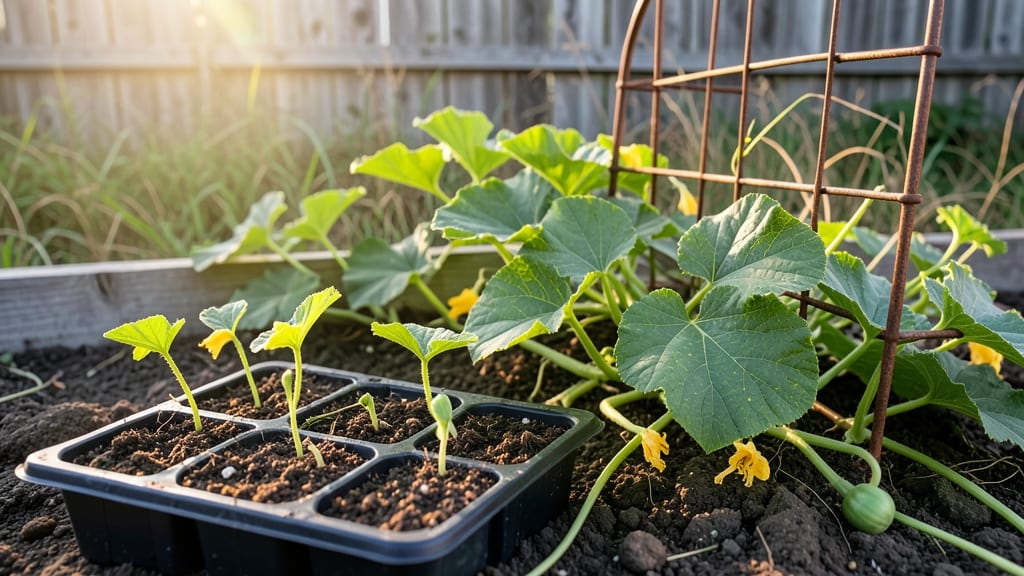
Planting squash in Mississippi at the right time means the difference between a bountiful harvest and a sad, wilted vine by July.
Mississippi’s long, hot summers and unpredictable spring weather can make squash planting a tricky balancing act—get the timing wrong, and you’ll either face frost damage or wilted vines before harvest.
In USDA Zone 8a, where soil warms quickly but late frosts linger, the perfect window for planting 🎃 is just after March 15, once temperatures hit 60°F and the ground stays reliably frost-free.
Below, I’ll break down the exact heat-zone strategy for Mississippi’s North, Central, and South regions, plus how to extend your season for summer and winter varieties—no guesswork, just reliable results.
Mississippi heat-zone planting calendar for squash varieties
Timing is everything when growing squash in Mississippi’s USDA zones 7a-8b, where soil temperatures and frost-free dates vary dramatically from the Delta region to the Gulf Coast.
Summer squash like zucchini and yellow crookneck thrive in hot, humid conditions, while winter varieties such as butternut and pumpkin need a longer growing season to mature. My strategy?
Plant summer squash as soon as soil warms to 60°F, and winter squash 4-6 weeks before your area’s first frost.
Mississippi’s three distinct regions—North (Tupelo), Central (Jackson), and South (Biloxi)—each have unique frost-free windows. The North typically sees its last frost around March 20-25, while the Gulf Coast can start planting 2-3 weeks earlier.
For accurate timing, I always check the Mississippi State Extension Service’s frost maps and adjust my schedule accordingly.
Here’s the key: Soil temperature matters more than air temperature. Use a soil thermometer to confirm 60°F+ for summer squash and 70°F+ for winter varieties. In USDA zone 7a, that might mean waiting until mid-April, while zone 8b gardeners can start as early as late March.
The goal? Avoid cold soil shock that stunts growth or invites pests.
Comparison Table: Mississippi Squash Planting by Region & Type
For summer squash varieties like zucchini and pattypan, I recommend direct sowing after your region’s last frost. These fast growers (45-55 days to harvest) can’t handle cool soil, so don’t rush—wait for consistent daytime temps above 70°F.
In zone 7a, that often means late April, while zone 8b gardeners can start as early as mid-March.
Winter squash, including butternut, acorn, and pumpkin, need 90-120 days to mature, so I plant them 4-6 weeks before the first frost. In Mississippi, that translates to February-March for most regions. For example, in Jackson (zone 7b-8a), I start seeds indoors in late February and transplant outdoors by mid-March to ensure a full harvest before frost.
Pro tip: Use black plastic mulch to warm soil faster in early spring plantings. This trick helps me shave 1-2 weeks off the waiting game, especially in cooler northern zones.
Just lay the mulch down 1-2 weeks before planting and cut X-shaped holes for seeds. The warmer soil speeds up germination and gives vines a head start.
Don’t forget about succession planting! For continuous harvests, I sow summer squash every 2 weeks from April through June. This ensures I’m always picking fresh zucchini while the first batch matures.
In hotter months, I even use shade cloth (30%) to protect plants from midday sun stress, which can scorch leaves and reduce yields.
Mississippi’s humid climate also means disease pressure is high, so I prioritize well-draining soil and proper spacing. Crowded plants invite powdery mildew, a common squash nemesis. I space hills 3-4 feet
How to extend your squash growing season in Mississippi’s climate
Mississippi’s humid heat and short frost-free window can challenge squash growers, but strategic planning turns these obstacles into opportunities. By combining succession planting, shade protection, and companion planting, you can stretch your harvest from early summer through fall.
The key is understanding how to beat heat stress while preventing soil depletion and late-season pests that thrive in Mississippi’s climate.
Start with succession planting—instead of one massive planting, space out seeds every 2-3 weeks from late April through early June. This ensures a continuous supply of young plants that can handle the heat better than mature vines.
For summer squash varieties like zucchini, this method guarantees fresh produce when older plants start to struggle in August’s oppressive temperatures.
- 1
- 2
- 3
- 4
Don’t overlook late-season varieties like butternut squash or acorn squash, which mature slower and handle cooler fall temperatures better than zucchini. Plant these in early June for a harvest window that extends into October or November, just before the first frost.
Pair them with straw mulch to insulate roots and retain moisture during Mississippi’s unpredictable fall rains.
Watch for late-season pests like squash vine borers, which become more active as temperatures drop. Handpick eggs from undersides of leaves in September, or apply neem oil as a preventative spray every 10 days starting in late August.
Companion plants like bush beans also disrupt borer life cycles when planted in alternating rows.
Finally, harvest strategically—pick fruits when they’re 75% mature to reduce vine stress. For example, harvest zucchini at 6-8 inches to encourage continuous production. Store winter squash in a cool, dry place (50-55°F) to extend freshness through the holidays.
With these techniques, you’ll transform Mississippi’s intense growing season into a year-round squash bonanza, from fresh zucchini in June to stored butternuts in December. 🎃