
Plants
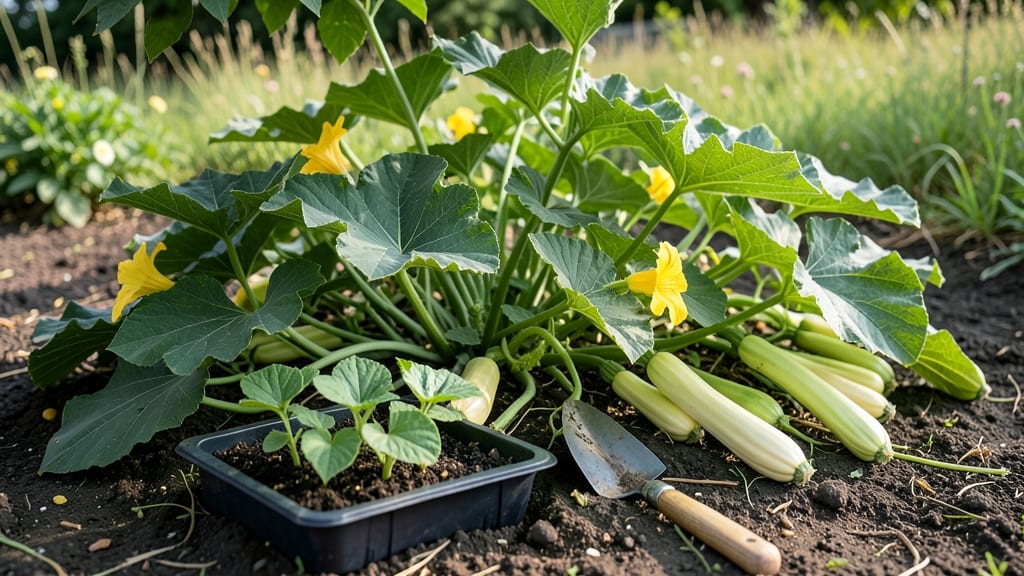
Planting summer squash in Florida at the right time means the difference between a garden overflowing with 🎃 and a sad, wilted disappointment.
Here’s the catch: Florida’s year-round warmth means no frost to wait out, but the heat itself can be the real enemy. Plant too early, and your squash bolts before you even get to harvest. Too late, and you’re fighting the oppressive summer sun when the plants are most vulnerable.
Most Florida gardeners swear by two planting windows: late winter (February–March) for spring harvests and mid-summer (July–August) for a fall bounty. But the real secret? Soil temperature matters more than the calendar—aim for 60°F or warmer to kickstart growth without stressing the plants.
Below, I’ll break down the exact timing for your Florida heat zone, how to adjust for humidity, and the one trick that keeps your squash thriving even when the thermometer hits 90°F.
Florida heat-zone planting calendar for summer squash success
Florida’s unique climate demands precise timing for summer squash planting—too early, and your plants bolt; too late, and heat stress stunts growth.
The state’s three distinct heat zones (North, Central, South) each have ideal windows for planting, all aligned with soil temperatures of at least 60°F and avoiding Florida’s peak summer heat.
Whether you're in North Florida’s cooler hills or South Florida’s tropical warmth, this calendar ensures your squash thrives from seed to harvest.
In North Florida (USDA Zones 8a-9a), where cooler winters linger, your best planting window is February through early March for spring harvests. This timing capitalizes on warming soil before summer’s oppressive heat arrives.
Meanwhile, Central Florida (Zones 9b-10a) gardeners should plant in late January to early April, while South Florida (Zones 10b-11) offers a longer window from December through March—perfect for year-round production.
| Heat Zone | Planting Window | Soil Temp (°F) | Harvest Time | Key Notes |
|---|---|---|---|---|
| North Florida (Zones 8a-9a) | Feb 15 - Mar 15 | 60°F+ | Apr - Jun | Avoid May-June heat; use shade cloth if needed. |
| Central Florida (Zones 9b-10a) | Jan 20 - Apr 10 | 60°F+ | Mar - Jul | Succession plant every 2 weeks for continuous harvests. |
| South Florida (Zones 10b-11) | Dec 1 - Mar 31 | 65°F+ (warmer soil) | Jan - May | Plant heat-tolerant varieties like 'Straightneck' or 'Yellow Crookneck'. |
| All Zones (Fall Planting) | Jul 15 - Aug 15 | 70°F+ | Sep - Nov | Use black plastic mulch to warm soil faster. |
For North Florida, where cooler nights persist longer, focus on early-maturing varieties like 'Early Prolific Straightneck' (50 days to harvest). These varieties avoid bolting before summer’s heat peaks.
Meanwhile, Central Florida’s extended window allows for succession planting—sow seeds every 2 weeks from February to April to maintain a steady harvest through July.
In South Florida’s tropical climate, heat-tolerant varieties like 'Yellow Crookneck' or 'Zucchini' shine. Plant in December or January to escape the harshest summer heat, which can cause bolting (premature flowering) or fruit deformities. Use black plastic mulch to raise soil temperatures quickly and reduce weed competition.
Regardless of zone, soil temperature is your best indicator—wait until it consistently stays above 60°F at a depth of 2 inches. Use a soil thermometer to check, especially in North Florida, where cooler pockets linger.
For fall plantings (July-August), aim for 70°F+ soil to ensure strong root development before cooler weather arrives.
Pro tip: Direct sow seeds rather than transplanting to avoid transplant shock. Florida’s heat and humidity stress young plants, so harden off seedlings for 3-5 days before moving them outdoors.
For container growing, use large pots (at least 12 inches deep) with well-draining soil to prevent root rot—a common issue in Florida’s humid climate.
Watch for heat stress signs like yellowing leaves or wilting, especially in Central and South Florida during May-June. Provide afternoon shade with lightweight shade cloth (30-50%) if temperatures exceed 90°F. Mulch heavily with straw or grass clippings to retain moisture and regulate soil temperature.
Finally, harvest regularly—every 3-5 days—to encourage continuous production. Overripe squash saps energy from the plant and attracts pests like squash vine borers, which thrive in Florida’s heat. Store harvested squash in a cool, dry place
5 Key factors that determine the best planting time in Florida
Florida’s tropical climate might seem ideal for summer squash, but humidity, rainfall patterns, and pest cycles create unique challenges. Unlike northern states, we don’t have frost to guide planting—so timing relies on soil temperatures, heat tolerance, and even hurricane season risks.
Getting these factors right means the difference between a thriving garden and wasted efforts.
First, soil temperature is your #1 guide. Summer squash needs soil at 60°F or warmer to germinate properly. In Florida’s North Zone (Zone 8), this typically happens by mid-February, while South Zone (Zone 10) can plant as early as January.
Cold soil slows growth and invites rot—so always check with a soil thermometer before planting.
🌱 5 Critical Timing Factors for Florida Summer Squash
- 🌡️ Soil Temperature: Plant only when soil reaches 60°F+ (Feb-March in North, Jan-Feb in South).
- ☀️ Heat Tolerance: Avoid peak summer (May-June)—bolting (premature flowering) ruins yields.
- 🌧️ Rainfall Timing: July-August planting works if you use raised beds/drip irrigation to prevent fungal diseases.
- 🐛 Pest Activity: Squash bugs and cucumber beetles peak in late spring/early summer—time planting to avoid their worst outbreaks.
- 🌬️ Hurricane Risk: June-November plantings need protective netting or row covers for wind/rain damage.
Next, heat tolerance determines your second planting window. While spring planting (Feb-March) is ideal, July-August is your backup—if you use shade cloth (30-50%) to protect seedlings from scorching. Without shade, summer squash bolts (goes to seed) in 10-14 days, turning bitter and inedible.
I’ve seen this firsthand in my Central Florida garden when I skipped shade cloth during a 95°F+ heatwave.
Rainfall patterns also shift planting strategies. Florida’s wet season (June-October) means higher humidity and fungal risks like powdery mildew. For July-August plantings, I recommend raised beds with drip irrigation to keep foliage dry. Organic growers should add copper fungicide sprays every 7-10 days during these months, while conventional growers might use neem oil or baking soda solutions.
Don’t overlook pest cycles—they’re a silent yield-killer. Squash bugs and cucumber beetles hit hardest in May-June, so timing your first planting for late February-early March lets you harvest before their peak.
For July-August plantings, use row covers until flowers appear, then remove them to allow pollination. I’ve saved 30-40% of my crop by following this tactic in South Florida.
Finally, hurricane season (June-November) forces adjustments. If planting in late summer, stake plants or use windbreaks to prevent uprooting. For organic gardens, mulch heavily with straw or grass clippings to protect roots from erosion.
Conventional growers might opt for plastic mulch to retain moisture and warmth post-storm. Timing matters just as much as preparation here!
By aligning your planting with these 5 factors, you’ll beat Florida’s climate curve. Start with soil temps, dodge peak pests, and adjust for rain/hurricanes—your summer squash will reward you with bushels of fresh produce all season long. 🎃