
Plants
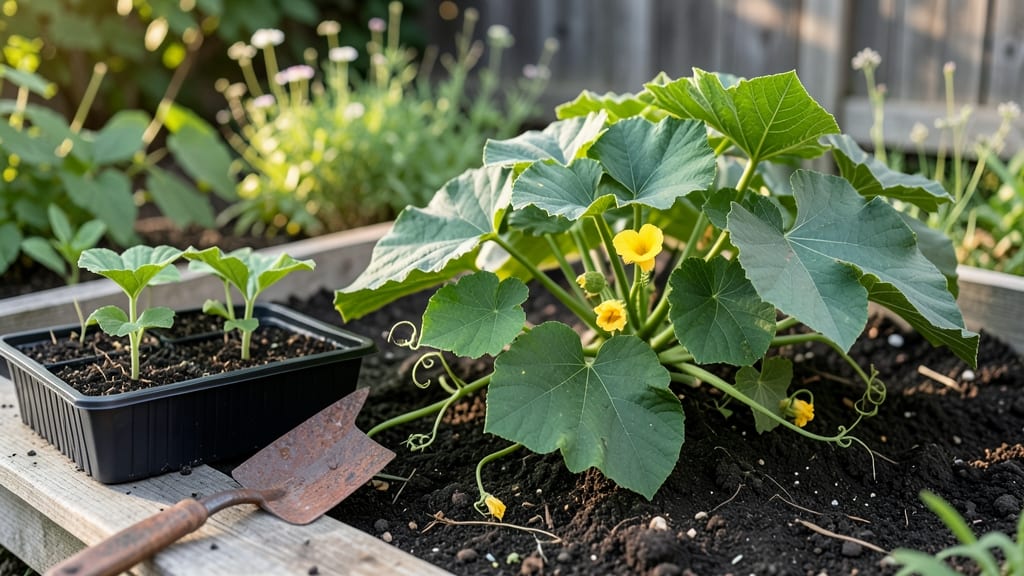
To plant acorn squash in Florida, aim for early February to March or late August to September, when soil temperatures hit 60°F and the heat hasn’t yet peaked.
Florida’s frost-free zones and blazing summers make timing everything—plant too early, and the squash 🎃 wilts in the heat; too late, and you miss the harvest window. The key is reading your local heat zone, whether you’re in the Panhandle or the Keys, and adjusting for Florida’s infamous summer storms.
Below, I break down the exact week-by-week schedule for each region, including soil prep tricks for Florida’s sandy soil and how to stretch your harvest through the fall. No more guessing whether your acorn squash will thrive or bolt.
You’ll also learn how to handle Florida’s quirks—like sudden cold snaps in the north or hurricane season—so your squash matures smoothly. Let’s get those vines growing the right way.
Florida heat-zone planting schedule for acorn squash: exact Weeks by region
Acorn squash thrives in Florida’s warm climate, but timing is everything to avoid heat stress or pests. Florida’s three heat zones—North (Zone 9a), Central (Zone 9b-10a), and South (Zone 10b-11)—each have unique planting windows.
Plant too early, and you’ll face mildew; too late, and your harvest suffers. Let’s break down the ideal weeks to sow or transplant for a successful harvest.
Acorn squash needs 60°F+ soil temperatures to germinate and consistent moisture to avoid bitter fruit. In Florida, this means spring and fall are your best bets. Northern Florida’s cooler winters allow for fall planting, while Central and Southern zones can extend into early winter.
Below, find your zone’s exact weekly planting schedule, including transplant windows and harvest timelines.
Key rules for all zones: Start seeds indoors 4-6 weeks before the last frost (though frost is rare in most of Florida). Harden off seedlings for 7-10 days before transplanting. Space plants 2-3 feet apart in well-draining soil with a pH of 6.0-7.0. Mulch heavily to retain moisture and suppress weeds.
| Heat Zone | Planting Window | Ideal Weeks to Sow | Transplant Window | Harvest Time | Soil Temp Requirement |
|---|---|---|---|---|---|
| North (Zone 9a) | Spring/Fall | Weeks 6-8 (Feb-Mar) Weeks 35-37 (Sep-Oct) |
Weeks 10-12 (Apr) Weeks 40-42 (Nov) |
May-June Nov-Dec |
60°F+ |
| Central (Zone 9b-10a) | Spring/Fall/Winter | Weeks 5-7 (Jan-Feb) Weeks 34-36 (Sep-Oct) Weeks 48-50 (Dec) |
Weeks 9-11 (Mar-Apr) Weeks 39-41 (Oct-Nov) Weeks 52-2 (Jan) |
Apr-May Oct-Nov Jan-Feb |
60°F+ |
| South (Zone 10b-11) | Fall/Winter/Spring | Weeks 33-35 (Sep) Weeks 47-49 (Dec) Weeks 4-6 (Jan-Feb) |
Weeks 38-40 (Oct) Weeks 51-3 (Jan) Weeks 8-10 (Mar) |
Oct-Nov Jan-Feb Mar-Apr |
65°F+ (warmer soil preferred) |
*Weeks are counted from January 1 (Week 1). Adjust for microclimates or unexpected cold snaps.
For Northern Florida (Zone 9a), focus on spring planting (Weeks 6-8) to avoid summer’s oppressive heat. Transplant in early April (Weeks 10-12) when soil temps stabilize.
Fall planting in late September (Weeks 35-37) ensures harvests before cool weather sets in. Use row covers if nights dip below 50°F.
In Central Florida (Zones 9b-10a), you can plant three times a year: January-February (Weeks 5-7), September-October (Weeks 34-36), and December (Weeks 48-50). The December
How to adjust acorn squash planting for Florida’s unpredictable weather patterns
Florida’s unpredictable weather can turn a great acorn squash harvest into a gamble. Sudden cold snaps in spring or hurricane season in late summer can devastate young plants if you’re not prepared. The key is flexible planting that accounts for Florida’s microclimates and extreme conditions.
I’ve learned to adjust my schedule based on weekly forecasts and use protective strategies to shield my squash from nature’s whims.
For example, in North Florida (Zone 9a), a late frost in March can still occur, while South Florida (Zone 10b+) might face hurricane winds in September. My solution? Plant in two waves: once in February-March for a spring harvest and again in August-September for fall.
This way, I’m not putting all my eggs in one basket—and I always have a backup harvest if one crop fails.
⚠️ WARNING: Florida’s Weather Can Ruin Your Acorn Squash Crop Florida’s unpredictable cold snaps (even in summer!) and hurricane-force winds can destroy tender acorn squash plants. If you plant too early in North Florida, a 32°F night in March will kill seedlings.
In South Florida, a Category 1 hurricane in June can uproot plants. Here’s my non-negotiable rule: Never plant acorn squash outdoors before soil temps hit 60°F consistently, and always have row covers or shade cloth ready for emergencies.
One of my go-to strategies is using floating row covers (like Reemay fabric) to protect young plants from cold snaps or pest outbreaks. I also plant near windbreaks, like tall sunflowers or bamboo fencing, to shield squash vines from hurricane gusts.
For summer planting, I opt for 30% shade cloth to prevent heat stress while still allowing enough light for growth.
Succession planting is another game-changer for Florida gardeners. Instead of planting all seeds at once, I stagger them every 2-3 weeks from February to March. This ensures a continuous harvest and reduces the risk of losing an entire crop to a single weather event.
For example, if a tropical storm hits in June, my earliest plants might suffer, but later plantings remain unaffected.
Don’t forget about mulching! A thick layer of straw or pine needles helps regulate soil temperature, keeping roots cool in summer and warm in unexpected cold snaps.
I also avoid planting in low-lying areas where hurricane floodwaters might pool. Elevate your beds slightly or use raised planters filled with well-draining soil to prevent waterlogging.
Finally, keep an eye on the National Weather Service and local Cooperative Extension alerts. If a freeze warning pops up, rush to cover your plants with blankets or frost cloth.
For hurricanes, secure stakes around your plants to prevent uprooting. With these adjustments, I’ve successfully grown acorn squash in Florida for three consecutive years, even through unpredictable weather.