
Container Gardens
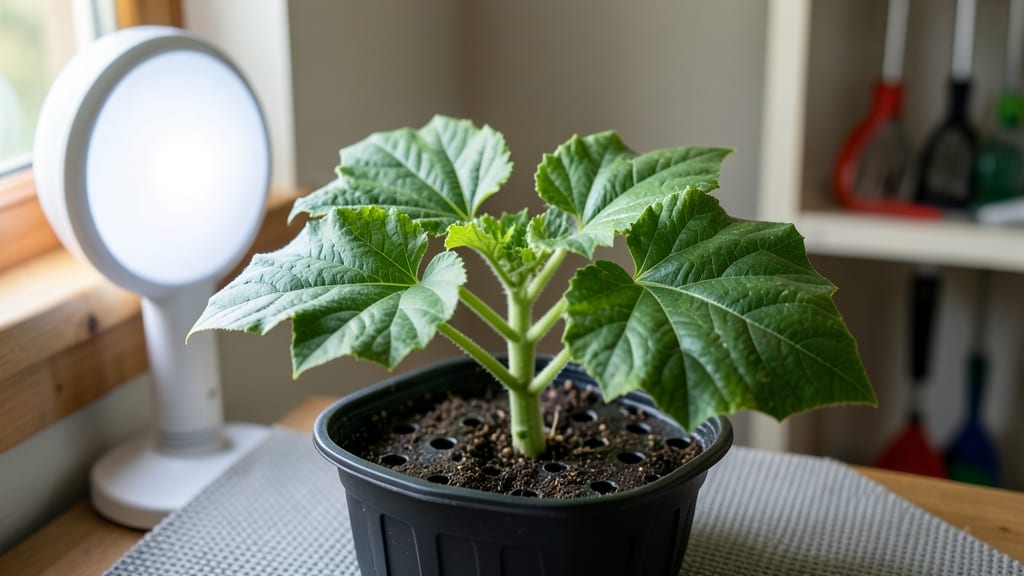
Starting butternut squash seeds indoors at the right time ensures strong, healthy plants ready for transplanting when the weather warms up 🎃 — and getting the timing wrong can mean the difference between a thriving harvest and a wasted effort.
Picture this: you’ve nurtured your seedlings for weeks, only to rush them outside too early and watch them wilt in the cold, or wait too long and end up with leggy, overgrown plants that struggle to adapt.
Timing is everything, and the key lies in knowing exactly how many weeks before your last frost to begin.
For most gardeners in USDA Zone 6a (like me), that means starting seeds around mid-March — roughly 4-6 weeks before the average last frost date in early May. But regional differences matter, and I’ll show you how to adjust for earlier or later frost zones to avoid common pitfalls.
Below, I’ll walk you through the exact weeks to start seeds indoors, how to tell when seedlings are ready for transplanting, and simple setup tips to give your butternut squash the best possible start — no guesswork, just results.
Optimal indoor starting weeks before last frost for butternut squash
Butternut squash thrives when given the right head start indoors, but timing is everything. Starting too early leads to leggy, weak seedlings, while waiting too long risks stunted growth before the first frost.
The ideal window for indoor starting depends on your last frost date and the butternut squash's growth cycle, which typically needs 80-120 days to mature.
For most gardeners in USDA Zones 4-7, this means beginning seeds indoors 4-6 weeks before your last frost date. For example, if your last frost is May 15, start seeds between March 25 and April 15.
This timing ensures seedlings are robust enough to handle transplanting without shock while avoiding overgrowth in containers.
Butternut squash seedlings need warm soil temperatures (at least 70°F) to germinate properly. If your outdoor soil isn't warm enough yet, use a heat mat under seed trays. Without proper warmth, germination can take 2-3 weeks instead of the usual 7-10 days, delaying your entire growing season.
Here’s a quick reference for your planting schedule based on frost dates and growth stages:
| Stage | Action | Weeks Before Last Frost |
|---|---|---|
| Seed Starting Indoors | Sow seeds in trays with warm soil | 4-6 |
| Germination | Keep soil moist and warm (70-80°F) | 0-2 |
| Seedling Growth | Provide 12-14 hours of light daily | 2-4 |
| Hardening Off | Acclimate to outdoor conditions | 1-2 |
| Transplanting | Move to garden after last frost | 0 |
If you live in a warmer climate (Zones 8-10), you can start seeds slightly later—around 3-5 weeks before last frost—since your growing season is longer. However, avoid starting too late, as butternut squash needs time to establish before summer heat sets in.
In cooler climates (Zones 3-4), consider starting seeds indoors 6-8 weeks before last frost to account for a shorter season.
One common mistake is assuming all squash varieties have the same growth timeline. Butternut squash is a long-season crop, so don’t use timing guidelines for faster-maturing varieties like zucchini.
If you’re unsure about your frost date, check your local cooperative extension service or use a frost calendar for your area. Even a 1-week difference in starting time can impact your harvest.
For best results, use biodegradable seed pots to minimize transplant shock. These pots can stay in the ground, reducing root disturbance. Place trays near a south-facing window or under grow lights for 12-14 hours of light daily.
Without enough light, seedlings will become etiolated (long and weak), making them more susceptible to disease and poor growth.
Once seedlings have 2-3 true leaves (not just cotyledons), thin them to the strongest plant per pot. Overcrowding stresses seedlings and leads to competition for nutrients.
At this stage, you can also begin fertilizing lightly with a balanced, water-soluble fertilizer (like 5-10-10) to encourage healthy growth without burning tender roots.
Transplant seedlings outdoors only when nighttime temperatures stay above 50°F and soil is at least 60°F. Harden off seedlings by gradually exposing them to outdoor conditions over 7-10 days before transplanting. This process helps them adjust to wind, sun, and temperature fluctuations, reducing the risk of shock.
How to adjust starting time by region (USDA Zones 3-10)
Your USDA zone determines when to start butternut squash seeds indoors for the best harvest. In Zones 3-5, short growing seasons mean you'll need an earlier start, while Zones 7-10 offer more flexibility. Let's break down the exact timing adjustments you should make based on your climate.
For Zones 3-4, begin seeds 10-12 weeks before your last frost date. This gives your plants enough time to mature before cooler weather arrives. In Zones 5-6, you can start 6-8 weeks before frost, while Zones 7-8 only need 4-6 weeks of indoor growing time.
In warmer Zones 9-10, you might skip indoor starting entirely and sow seeds directly in late spring. However, if you want to extend your harvest, starting seeds indoors 4-5 weeks before transplanting can help you beat the heat.
For extended harvests, try staggered planting. Start a second batch of seeds 2-3 weeks after your first transplant. This ensures a continuous supply of fresh squash throughout the season, especially in Zones 5-8 where fall temperatures can linger.
Always check your local frost dates and adjust by 1-2 weeks if your spring is unusually cold or warm. A simple online frost calculator can provide your exact dates for precise timing. Remember, butternut squash needs 100-120 days to mature, so plan accordingly!
Pro tip: Keep a planting journal to track your success. Note when you started seeds, transplanted, and harvested. This helps you fine-tune your timing each year for an even better yield. Happy gardening!