
Companion Plants
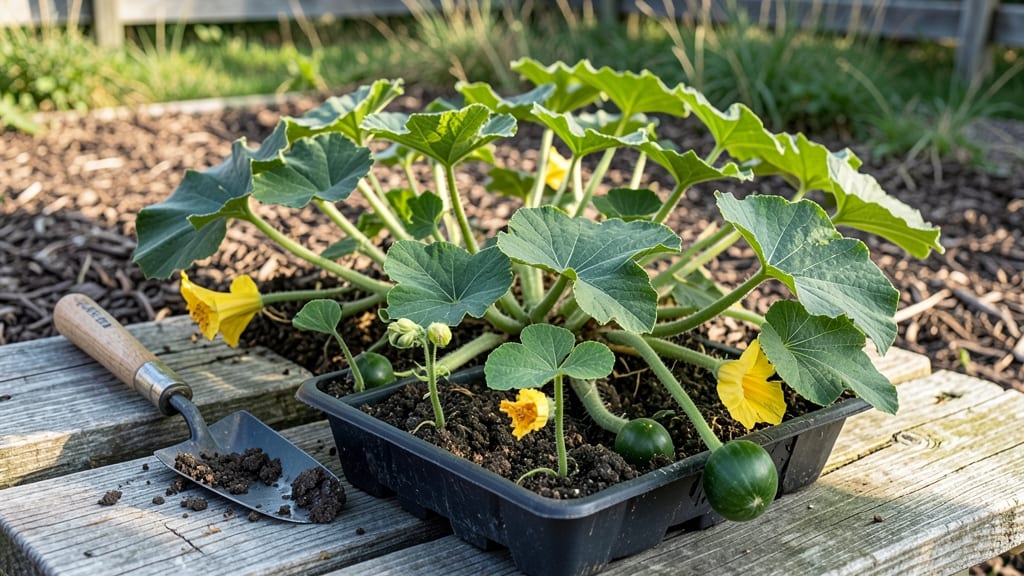
Planting squash plants starts with warm soil and a sunny spot—because nothing beats the taste of homegrown zucchini or pumpkins straight from the vine. 🌱 I learned the hard way that squash needs space (think 10-12 feet between plants) and rich soil to spread its sprawling vines and produce heavy fruit.
The key is timing: wait until soil temperatures hit 60°F and all frost danger has passed, usually after your last spring frost date. The secret to happy squash lies in soil prep—mix in compost or aged manure before planting to give roots a nutrient boost.
Plant seeds 1 inch deep in hills (groups of 3-4 seeds) for better air circulation and easier harvesting. Thin to the strongest plant per hill once they sprout, and watch those broad leaves unfurl into a lush canopy.
By mid-summer, you’ll be harvesting 10+ pounds of squash from a single plant, and the vines will stretch toward the sun like nature’s own shade sail. Just avoid overcrowding—squash plants need elbow room to thrive—and keep an eye out for pests like squash bugs hiding under leaves.
Works for both bush and vining varieties, and the same principles apply whether you’re growing in raised beds or directly in the ground. Let’s get those seeds in the soil!
📚 In This Guide
- What you need
- Instructions
- Tips and common mistakes
- Wrapping up and next steps
What you need
- ● Squash Seeds or Seedlings: Choose summer squash (e.g., zucchini, yellow crookneck) or winter squash (e.g., butternut, acorn).
- ● Quantity: 2–4 seeds or seedlings per hill (thin to 1–2 strongest plants).
- ● Well-Draining Soil: Rich in organic matter (compost or aged manure). Aim for a pH of 6.0–7.0.
- ● Space: Squash needs 3–6 feet of diameter per plant (or 4–6 feet apart in rows).
- ● Sunlight: Full sun (6–8+ hours daily)—no compromises here!
- ● Water: Consistent moisture (1–2 inches per week; drip irrigation is ideal).
- ● Fertilizer: Balanced 10-10-10 or 5-10-10 at planting.
- ● Side-dress with compost or nitrogen-rich fertilizer when vines start running.
- ● Garden Trowel or Transplant Spade (for digging holes or hills).
- ● Gloves (to protect hands from prickly vines or soil).
- ● Row Cover or Mulch (straw, black plastic, or landscape fabric to retain moisture and suppress weeds).
- ○ Trellis or Cage (Optional)—for bush varieties like patio-type squash to save space.
- ● Pruners (for trimming excess vines or removing diseased leaves).
- ● 💡 Test your soil 2 weeks before planting to adjust nutrients if needed.
- ● 🌡️ Wait until soil is at least 60°F—squash hates cold!
- ● 🎯 Plant companion plants like beans, corn, or nasturtiums to deter pests.
Step-by-step instructions for planting squash plants
Here’s how to give your squash plants the room they crave for explosive growth and a harvest you’ll brag about.
🌱 Step 1: Choose the Perfect Planting Spot
Squash vines spread 10-15 feet wide, so pick a sunny, open area with full sun (at least 8 hours daily). I always avoid last year’s squash or pumpkin spots—rotating crops prevents soil-borne diseases like powdery mildew. Test your soil’s pH; squash thrives in 6.0-7.0 range. If your soil is heavy clay, amend it with 2-3 inches of compost mixed into the top 6 inches—this improves drainage and feeds hungry vines.
Real talk: If your yard is small, grow squash in large containers (at least 18 inches deep and 3 feet wide). Just ensure containers drain well and you’re using high-quality potting mix. I’ve had great luck with 5-gallon buckets for bush varieties like ‘Eight Ball’ squash.
🪴 Step 2: Prepare the Soil and Plant with Space
Dig a hole twice as wide as the root ball but no deeper. Gently loosen the roots if they’re circling in the pot—this encourages them to spread into your soil. Place the plant so the top of the root ball sits ½ inch below soil level. Squash plants need 4-6 feet between vines (or 3 feet for bush types). I mark planting spots with stakes or flags to avoid crowding—nothing kills squash faster than competition for nutrients.
Mound the soil into a small hill around the plant’s base. This helps water run off the leaves, reducing fungal diseases. After planting, water deeply until the soil is 6 inches moist—this settles the roots and prevents air pockets. Wait 3-4 days before watering again to let the roots establish.
☀️ Step 3: Mulch and Protect Young Plants
Spread 3-4 inches of organic mulch (straw or shredded leaves work best) around the base, keeping it 2 inches away from stems to prevent rot. Mulch keeps soil cool, retains moisture, and stops weeds from stealing nutrients. I also lay black plastic mulch over the soil (not touching the stems) to warm the roots early in the season—this speeds up growth by 1-2 weeks. Secure the edges with soil or rocks so wind doesn’t blow it away.
Watch for squash vine borers early in the season. If you see sawdust-like frass near the stem or wilting leaves, handpick eggs (tiny yellow ovals) or cover plants with floating row covers until flowers appear. I’ve saved entire plants by wrapping stems with aluminum foil—it confuses borers and deters them from laying eggs.
💧 Step 4: Water and Feed for Maximum Growth
Squash plants need 1-2 inches of water weekly, but deep watering 2-3 times per week is better than frequent shallow drinks. Water at the base only—wet leaves invite fungal diseases. I use a soaker hose to deliver water slowly, which also keeps the soil evenly moist. Let the top 2 inches of soil dry between waterings to prevent root rot.
Feed plants every 2-3 weeks with a balanced fertilizer (10-10-10 or 5-5-5). When flowers appear, switch to a low-nitrogen, high-phosphorus fertilizer (like 5-10-10) to boost fruit production. I also side-dress with compost tea mid-season for a natural nutrient boost—my vines take off like rockets after that.
✂️ Step 5: Prune and Harvest for Continuous Production
Remove suckers (small shoots growing from the stem) when they’re 3-4 inches tall to direct energy to fruit production. Prune yellow or diseased leaves immediately to keep the plant healthy. I also trim overly long vines if they’re encroaching on walkways—this keeps the plant manageable and improves airflow.
Harvest squash when the skin is hard and dull-colored (not shiny). Use a sharp knife or pruners to cut the stem, leaving 1 inch attached to the fruit. Pick regularly—this encourages more blooms and prevents vines from burning out. I harvest every 2-3 days during peak season to keep the plant producing. Store squash in a cool, dry place (50-55°F) for up to 2 months.
Tips & tricks for planting squash plants
These little tricks will help your squash vines spread like wildfire while keeping them healthy and productive.
Location Strategy: If your yard is tight, consider planting squash near a fence or wall—it gives vines something to climb on naturally, saving space. I’ve seen bush varieties like ‘Eight Ball’ squash thrive in 5-gallon buckets placed on patios, as long as they get their full 8 hours of sun. The key is ensuring containers are deep enough (18+ inches) and have drainage holes to prevent root rot.
Soil Prep Secret: Before planting, mix a handful of Epsom salt (magnesium sulfate) into the planting hole—this prevents blossom end rot, a common squash problem. I also add a slow-release fertilizer like 10-10-10 granules at planting time to give roots a nutrient boost right from the start. This is especially helpful if your soil tests low in nutrients.
Watering Wisdom: The 2-3 times weekly deep watering is non-negotiable, but here’s the trick: water in the early morning so leaves dry quickly, reducing fungal disease risk. I set up a soaker hose on a timer for 30 minutes every other morning—it saves time and keeps soil consistently moist. Just remember to let the top 2 inches dry between waterings to prevent root rot.
Pest Prevention: For squash vine borers, I’ve had the most success with a two-pronged approach: wrap stems with aluminum foil (confuses borers) AND sprinkle diatomaceous earth around the base (natural insect barrier). If you notice wilting leaves, gently peel back the stem to check for sawdust-like frass—early detection saves your plant!
Pro Tips for Planting Squash Plants
- These little tricks will help your squash vines spread like wildfire while keeping them healthy and productive.
- Location Strategy: If your yard is tight, consider planting squash near a fence or wall—it gives vines something to climb on naturally, saving space.
- Soil Prep Secret: Before planting, mix a handful of Epsom salt (magnesium sulfate) into the planting hole—this prevents blossom end rot, a common squash problem.
Frequently asked questions
Got questions about planting squash? You're not alone! Here are some of the most common queries—plus straightforward answers to help you grow like a pro.
When is the best time to plant squash?
Squash thrives in warm soil, so wait until after the last frost when nighttime temperatures stay above 50°F (10°C). For most regions, this means planting in late spring to early summer. If you’re in a hot climate, you can even plant summer squash in early spring or winter squash in late summer for a fall harvest.
How long does it take for squash plants to grow?
From seed to harvest, squash typically takes 50–100 days, depending on the variety. Summer squash (like zucchini) matures faster (40–60 days), while winter squash (like butternut) can take up to 100+ days. Keep an eye on the flowers—female flowers (with tiny squash forming) signal it’s time to check for ripe produce!
Can I plant squash in containers or small spaces?
Yes! Squash vines spread widely, but bush varieties (like 'Eight Ball' zucchini) work well in 5-gallon containers or raised beds. For vining types, use a large container (15+ gallons) or trellis to save space. Just ensure they get 6–8+ hours of sun and deep, well-draining soil.
Why aren’t my squash plants producing fruit?
Common culprits include lack of pollinators (hand-pollinate flowers with a paintbrush if bees are scarce), overcrowding (thin plants to 2–3 feet apart), or poor soil. Squash also need consistent water—drought stress can halt fruit development. Check for pests (like squash vine borers) and fertilize lightly with compost if growth seems stunted.
What are the best companion plants for squash?
Squash loves teamwork! Plant them with nasturtiums (repel pests), beans or peas (fix nitrogen), or corn (provides shade for roots). Avoid planting near potatoes (compete for nutrients) or aromatic herbs (like sage), which can stunt growth. A three-sisters garden (corn, beans, squash) is a classic combo!
Wrapping up and next steps
Planting squash plants is a rewarding journey that leads to vibrant vines, fragrant blooms, and a harvest of delicious, nutrient-packed produce—all with the right companion plants and care.
Whether you’re a seasoned gardener or a beginner, these tips will help you grow thriving squash while keeping pests at bay and maximizing space. Now that you’re armed with the knowledge, roll up your sleeves and get ready to plant! 🌱
🌿 Your Next Step:
Start small—choose a sunny spot, gather your supplies, and plant your first squash seeds or seedlings this season. Watch as your garden transforms into a lush, productive haven, and don’t forget to share your progress (or harvest!) with fellow gardeners. Happy planting! 🎉