
Picking
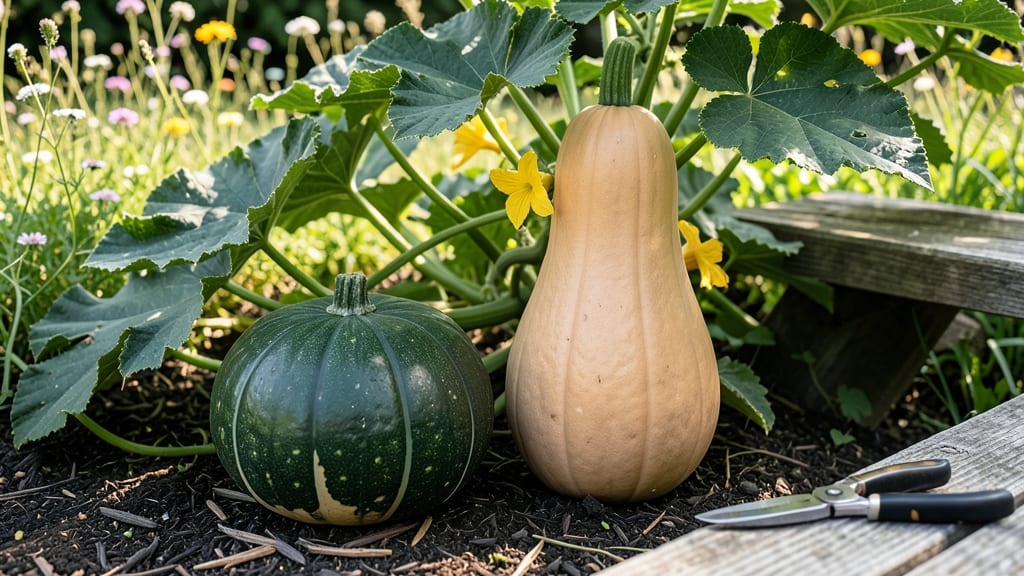
Winter squash isn't the same as butternut squash—though they share the same season. 🌱 Winter squash is a broad category that includes butternut, while butternut is just one specific variety with its own distinct shape, flavor, and growing quirks. Confusing them can lead to disappointed harvests or mislabeled seeds.
Butternut squash (Cucurbita moschata) grows on long vines, produces small, ribbed fruits, and has a sweet, nutty flavor that's perfect for roasting. It thrives in warm climates and needs about 75-100 days to mature. Meanwhile, winter squash includes other varieties like acorn, spaghetti, and pumpkin—each with unique textures and uses.
You can't swap them in recipes or cultivation without consequences. Butternut's smooth skin and sweet flesh make it ideal for soups, while other winter squashes might add unexpected textures. In the garden, butternut needs space for sprawling vines, while compact varieties like sugar pumpkins save room.
For gardeners choosing between them, consider your climate, space, and cooking plans. Butternut excels in long summers, while other winter squashes offer versatility for different dishes and growing conditions. Start with one variety to master the basics before experimenting!
The first product explained
Meet the Star of the Season: Butternut Squash! 🍂✨ If you're diving into the world of winter squash, butternut squash is a must-know variety—it’s sweet, versatile, and a kitchen staple for both beginners and seasoned cooks. But is it the same as winter squash? Not quite! While it falls under the winter squash family, butternut has its own unique charm. Let’s break it down.
📏 Specs & Features
Butternut squash is easily recognizable by its:
- Shape: A bulbous bottom that tapers into a long, smooth neck (like a pear or a football!).
- Skin: Thick, tan, and slightly ribbed—no need to peel before cooking!
- Flesh: Creamy orange, dense, and sweet with a nutty undertone (hence the name!).
- Size: Typically weighs between 2–5 pounds, but giant varieties can reach up to 10+ pounds.
- Season: Peaks in fall (September–November) but is available year-round in stores.
🎯 Target Users
Butternut squash is a crowd-pleaser, perfect for:
- Home cooks looking for easy, flavorful sides or mains.
- Health-conscious eaters craving nutrient-packed meals.
- Beginners—its mild sweetness and forgiving texture make it beginner-friendly!
- Meal preppers who love roasting, pureeing, or blending it into soups and sauces.
💰 Price Point
Pricing varies by season and location, but here’s a general idea:
| Type | Average Price (USD) | Notes |
|---|---|---|
| Fresh (per pound) | $1.50–$3.00 | Cheaper in fall/winter; organic or pre-cut may cost more. |
| Pre-cut (peeled/cubed, per pound) | $3.00–$5.00 | Convenient but pricier—great for quick meals! |
| Canned/pureed (per can) | $1.00–$2.50 | Budget-friendly for pantry staples. |
💡 Pro Tip
Storage hack: Whole butternut squash lasts months in a cool, dark place (like a pantry). Once cut, store in the fridge for up to 5 days or freeze for longer shelf life! 🥶
The second product explained
Meet the Star: Butternut Squash 🎉
If you're looking for a versatile, sweet, and nutty squash variety, butternut squash is your go-to choice! This iconic winter squash is a staple in kitchens worldwide, prized for its smooth texture, mild flavor, and adaptability in countless dishes. Let’s break down what makes it special.
📏 Specs & Features
- Appearance: Long, cylindrical shape with a tan or beige rind and deep orange flesh. Its name comes from the "nut-like" flavor and shape of its seed cavity!
- Size: Typically weighs between 2–5 pounds, though larger varieties can reach up to 10 pounds.
- Flavor Profile: Sweet, slightly nutty, and creamy—perfect for both savory and sweet dishes.
- Texture: Soft and velvety when cooked, making it ideal for soups, roasts, and purees.
- Storage: Stores well in a cool, dry place for 2–3 months or refrigerated for up to 6 weeks.
🎯 Who’s It For?
Butternut squash is a crowd-pleaser for:
- Home cooks who love easy, flavorful meals (think soups, curries, and casseroles).
- Health-conscious eaters seeking a nutrient-packed veggie (high in vitamin A, C, and fiber!).
- Bakers and dessert lovers—its natural sweetness shines in pies and bread.
- Meal preppers who want a long-shelf-life ingredient.
💰 Price Point & Availability
Butternut squash is widely available year-round, with peak season from fall to winter. Prices vary by size and location:
- Small (2–3 lbs): $2–$4
- Medium (3–5 lbs): $3–$6
- Large (5+ lbs): $5–$8
Pro tip: 💡 Buy whole for better value—pre-cut squash is pricier but convenient for quick cooking!
🍽️ Why It Stands Out
Unlike its winter squash cousins, butternut squash is mildly sweet with a buttery finish, making it a favorite for both beginners and chefs. Its versatility means it works in everything from creamy soups to roasted sides and even desserts—no wonder it’s a pantry staple!
Head-to-head comparison
🍠 Shape and Appearance: The First Glance Difference
When you first lay eyes on winter squash and butternut squash, you’ll notice they don’t look alike at all! Here’s how they stack up:
- Winter Squash (General Category): This is a broad term for a family of squashes, including varieties like acorn, spaghetti, pumpkin, and hubbard. Their shapes range from round (like acorn) to oblong (like spaghetti) or even lumpy and ribbed (like pumpkin). Colors can be orange, green, yellow, or even white. Think of them as the "diverse cousins" of the squash world!
- Butternut Squash: This is a specific type of winter squash with a distinctive bulbous shape—think of a pear with a flat bottom. It’s usually smooth-skinned and has a deep orange hue. Its size can vary, but it’s often larger than a typical acorn squash, making it a showstopper on any kitchen counter.
💡 Pro Tip: If you’re shopping and see a squash with a pear-like shape and smooth skin, you’ve likely found a butternut! But if it’s round, ribbed, or lumpy, it’s probably another type of winter squash.
🍽️ Flavor Profile: Sweet, Nutty, or Something Else?
Flavor is where things get interesting. While both winter squash and butternut squash are sweet and nutty, the specifics can vary:
- Winter Squash (General):
- Acorn squash: Mildly sweet with a hint of chestnut flavor.
- Spaghetti squash: Very mild, almost like a cross between zucchini and pumpkin.
- Pumpkin: Rich, earthy, and slightly sweet—great for pies!
- Hubbard squash: Nutty and dense, with a flavor that’s more robust than butternut.
- Butternut Squash: Consistently sweet, nutty, and slightly caramel-like. It’s one of the most flavorful winter squashes, making it a favorite for roasting, soups, and purees. Think of it as the "gold standard" for sweetness in the winter squash family!
🔥 Fun Fact: Butternut squash is often described as tasting like a mix of sweet potato and pumpkin—without the earthiness of a regular pumpkin.
📏 Size and Weight: How Big Are We Talking?
Size matters, especially if you’re planning to store or cook a whole squash. Here’s the breakdown:
| Type | Average Size | Average Weight | Storage Life |
|---|---|---|---|
| Winter Squash (General) | Varies widely (e.g., acorn: 4-6 inches; pumpkin: 10+ inches) | 1-10+ pounds (depends on variety) | 2 weeks to several months (if stored properly) |
| Butternut Squash | 10-12 inches long, pear-shaped | 3-5 pounds (though some can reach 7+ pounds) | 3-6 months in a cool, dark place |
💡 Pro Tip: Smaller butternut squashes tend to be sweeter and more tender. If you’re buying one, opt for a medium-sized squash (around 4 pounds) for the best balance of flavor and texture.
💰 Price: Your Wallet Will Thank You (or Not)
Prices can vary based on location, season, and whether you’re buying organic or conventional. Here’s a general idea:
- Winter Squash (General):
- Acorn squash: $1.50–$3.50 each
- Spaghetti squash: $2.00–$5.00 each
- Pumpkin: $0.50–$3.00 per pound (cheaper in fall)
- Hubbard squash: $2.00–$5.00 each (rarer, so pricier)
- Butternut Squash: Typically $2.00–$4.00 each, depending on size and organic status. It’s often priced similarly to acorn or spaghetti squash but offers more yield per squash.
🌡️ Seasonal Savings: Winter squashes, including butternut, are cheapest in fall and winter (when they’re in season). Stock up then and freeze or can extras for later!
🍂 Nutritional Showdown: Which One Wins?
Both winter squash and butternut squash are nutritional powerhouses, but butternut squash often steals the spotlight for its higher vitamin A and fiber content. Here’s how they compare per 1-cup cooked serving:
| Nutrient | Winter Squash (General) | Butternut Squash |
|---|---|---|
| Calories | 80–120 kcal | ~135 kcal |
| Vitamin A (as beta-carotene) | Varies (e.g., pumpkin: 2,150 IU; acorn: 1,500 IU) | 4,389 IU (2x the daily value!) |
| Fiber | 3–5 grams | 6.6 grams (25% of daily needs) |
| Vitamin C | 10–20 mg | 20 mg (22% of daily needs) |
| Potassium | 200–400 mg | 548 mg (15% of daily needs) |
💪 Health Boost: Butternut squash is a superfood for immune support (thanks to vitamin A and C) and heart health (thanks to potassium and fiber). Most winter squashes are nutritious, but butternut is a standout!
👨🍳 Cooking Versatility: Which One Should You Use?
Both winter squash and butternut squash are incredibly versatile, but their best uses depend on their texture and flavor:
- Winter Squash (General Uses):
- Acorn: Roasting, stuffing, or spiralizing into "noodles."
- Spaghetti: Roasting or baking to create "spaghetti" strands.
- Pumpkin: Pies, soups
Which one should you choose?
So, after diving into the world of winter squash and butternut squash, you might still be wondering: Which one should I pick? The answer depends on your needs—whether you're cooking for flavor, nutrition, budget, or convenience. Here’s our final verdict to help you decide! 🥄🍽️
✨ Pick Butternut Squash If...
- You love sweet, nutty flavors: Butternut squash is the star for creamy soups, roasted sides, and baked dishes where that signature caramelized sweetness shines.
- You’re short on time: Its easy-to-peel skin and quick cooking time make it a kitchen MVP for busy cooks.
- You’re feeding a crowd: Butternut’s mild taste and versatility mean it’s a crowd-pleaser for both kids and adults.
- You’re watching your waistline: With fewer calories and carbs than many winter squash varieties, it’s a great low-calorie option.
🌟 Pick Winter Squash (General) If...
- You crave variety in texture and taste: From the earthy depth of acorn to the sweet richness of kabocha, winter squash offers a spectrum of flavors beyond butternut’s one-note charm.
- You’re a storage pro: Varieties like Hubbard or Dutch White last months in a cool, dark place—perfect for meal prep.
- You’re on a budget or love local produce: Many winter squash varieties are cheaper and often grown regionally, reducing your carbon footprint.
- You’re experimenting in the kitchen: Winter squash’s harder skin and denser flesh make it ideal for slow-cooked dishes, stuffing, or even savory pies.
💡 Pro Tip for Flexibility:
Don’t feel locked into one! Butternut squash is a type of winter squash, so if you love its flavor, you’re already winning. For maximum versatility, stock your pantry with a mix—use butternut for quick meals and other winter squash for bold, unique dishes. 🎉
Need a quick decision? Grab butternut for simplicity and butternut for bold flavors. Either way, you’re getting a nutrient-packed, delicious veggie that’ll make your meals pop! 🍂🔥