
Pests and Diseases
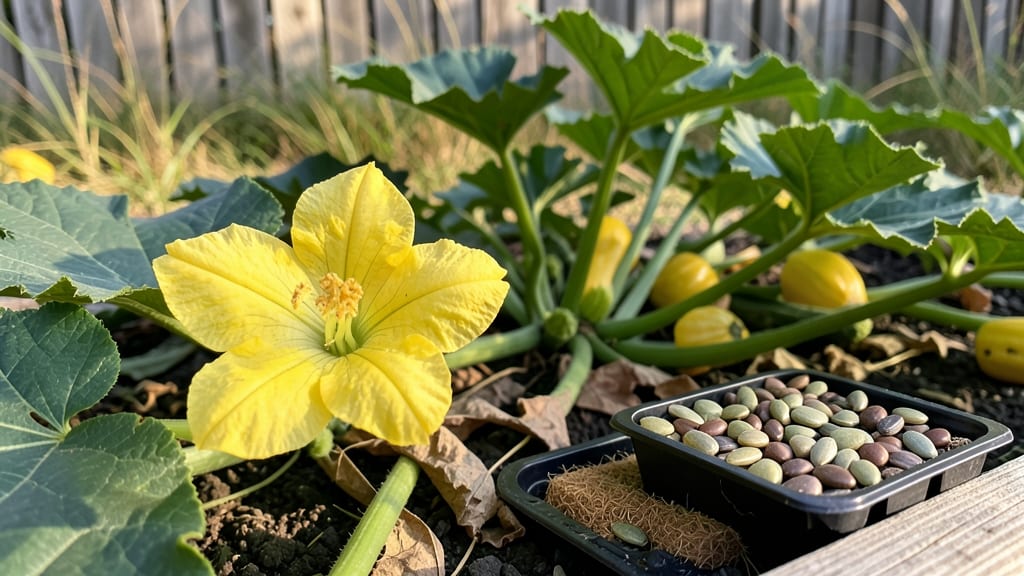
Squash and zucchini can cross pollinate because they share the same botanical family (Cucurbita pepo), which means their flowers can produce hybrid seeds that may change the fruit's appearance or flavor. Pollinators like bees transfer pollen when both plants bloom at the same time.
This happens because both plants belong to the same species group, making their genetic material compatible. 🌱 When pollen from a zucchini flower lands on a squash flower—or vice versa—the resulting seeds might grow into fruits that look different from their parents, like odd shapes or altered textures.
Gardeners often notice this when saving seeds or expecting familiar varieties from next year's harvest.
For example, a zucchini plant pollinated by squash might produce fruits that are lopsided or have unusual ridges. The flavor can also shift slightly, though it usually remains edible. Understanding this process helps gardeners plan their plantings carefully to avoid unwanted surprises in their harvests.
💡 In This Article
- How Cross Pollination Works Between Squash and Zucchini
- Preventing Unwanted Squash-Zucchini Hybrids in Your Garden
How cross pollination works between squash and zucchini
The cross pollination between squash and zucchini begins with their shared flower anatomy. Both plants produce separate male and female flowers, with male flowers growing on long stems and female flowers appearing near the fruit.
The male flowers release pollen through their anthers, which are typically yellow and powdery. When bees or other pollinators visit these flowers, they transfer pollen from one plant to another, creating the potential for hybridization.
This process relies heavily on environmental factors like temperature and humidity. Ideal pollination occurs between 65-85°F with moderate humidity, which is when both plants bloom most actively. The pollen grains, which are roughly 0.002 inches in diameter, travel easily on bee legs or wind currents.
Once deposited on a female flower's stigma, the pollen tube grows down to fertilize the ovule, resulting in seeds that carry mixed genetic traits from both parent plants. 🌿
The genetic compatibility between squash and zucchini allows for successful hybridization because they belong to the same species group, Cucurbita pepo. This means their chromosomes align perfectly during fertilization.
The resulting hybrid seeds may produce fruits that exhibit traits from both parents, such as the elongated shape of a zucchini combined with the ribbed texture of a summer squash. In some cases, the flavor profile might also shift slightly, though it typically remains edible.
One fascinating aspect is how hybrid traits manifest in the offspring. For example, a cross between a yellow crookneck squash and a dark green zucchini might produce fruits with striped patterns or unusual sizes.
The genetic mixing can also affect plant vigor, with some hybrids showing increased disease resistance or faster growth rates. Gardeners often notice these changes when saving seeds from hybrid plants, as the resulting varieties may differ significantly from the original parent plants.
To better understand this process, consider the timeline: male flowers typically open in the morning and remain viable for about 24 hours, while female flowers are receptive for roughly 48 hours. This overlapping bloom period increases the chances of cross pollination when both plants are growing nearby.
The presence of pollinators like honeybees and bumblebees further accelerates the process, as they actively seek out these nutritious flowers.
What makes this particularly relevant for gardeners is how quickly hybrid traits can appear in subsequent generations. Unlike some plant families where hybridization is rare, Cucurbita pepo species readily produce fertile hybrids.
This means that if you save seeds from a cross-pollinated plant, the next year's harvest could feature completely different characteristics from what you originally planted. 🌱