
Plants
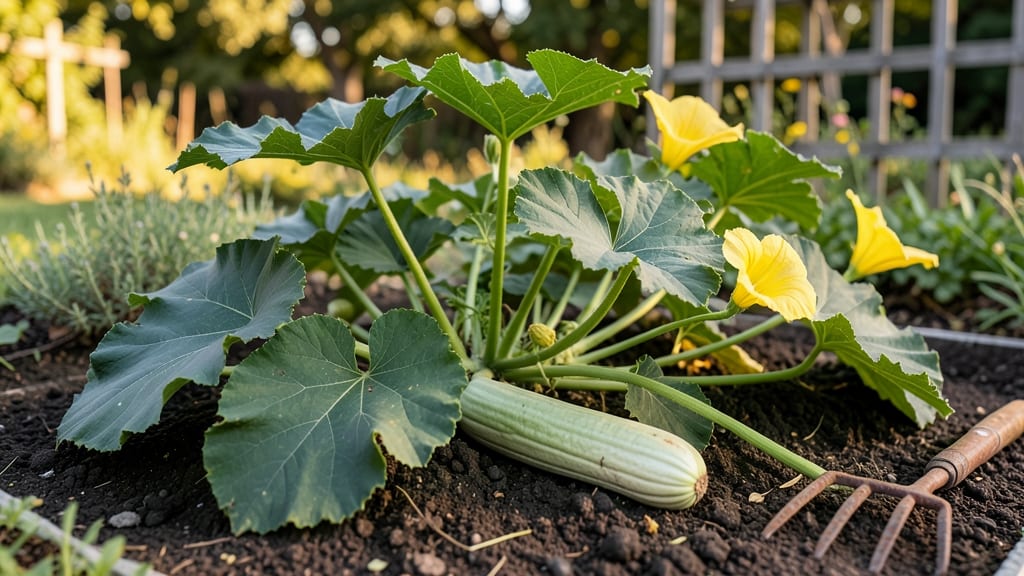
That squash that looks like spaghetti squash but isn’t—yellow crookneck or straightneck—is easier to grow than you’d think. 🌱 These summer squashes climb like cucumbers but deliver tender, edible "noodles" when cooked, and they thrive in warm climates where spaghetti squash often struggles.
Start with seeds in well-drained soil after the last frost, spacing plants 3-4 feet apart in full sun. They love rich, slightly acidic soil and need consistent moisture—think of it like watering a thirsty houseplant, not a cactus.
The vines will twist and twirl, but the real magic happens when you slice open a mature squash to find strands that cook just like spaghetti.
Harvest when the skin is tender but firm, usually 50-60 days after planting. Store them in a cool, dry place for up to a week, or freeze the cooked strands for later.
The key to success? Avoid overwatering (yellowing leaves are a red flag) and watch for squash vine borers—handpick eggs early to save your plants.
These squashes are perfect for small spaces, containers, or trellises, and they produce 10-15 pounds per plant with minimal fuss. Once you try them, you’ll never buy spaghetti squash again—especially when your own vines deliver the real deal.
📚 In This Guide
- What you need
- Instructions
- Tips and common mistakes
- Wrapping up and next steps
What you need
- ● Seeds or Seedlings: Twining vine squash seeds (e.g., Cucurbita pepo varieties like 'Spaghetti Squash' or 'Vegetable Spaghetti'). Quantity: 2-3 seeds per container or 1 seedling per plant.
- ● Growing Containers or Garden Bed: Containers: 5-gallon pots or larger (minimum 12" deep) with drainage holes. Quantity: 1 per plant.
- ● Garden Bed: Well-draining soil, full sun (6+ hours/day), and space for vines to sprawl (10-15 sq ft per plant).
- ● Potting Mix: High-quality, well-draining soil amended with compost (avoid garden soil if using containers). Quantity: Enough to fill containers or refresh garden beds.
- ○ Fertilizer: Balanced organic fertilizer (10-10-10) or compost tea. Optional: Slow-release granules for container plants.
- ● Gloves & Hand Trowel: For planting and soil prep.
- ○ Trellis or Cage: 6-8 ft tall (e.g., tomato cages or DIY wooden frames) to support vines and save space. Optional: For vertical gardening!
- ● Mulch: Straw or shredded leaves to retain moisture and suppress weeds.
- ● Watering Can or Hose with Nozzle: For gentle, deep watering (avoid wetting leaves to prevent disease).
- ● Pruning Shears: To trim excess vines or dead leaves.
- ● Know your last frost date—plant seeds after soil reaches 70°F (21°C) or start indoors 3-4 weeks earlier.
- ● Ensure full sun exposure (no shady spots!).
- ● Check local planting regulations if growing from seed (some areas restrict certain squash varieties).
How to grow spaghetti squash look-alikes for effortless harvests
Here’s the simple method I’ve used to grow these vining squash varieties—no trellis, no fuss, just endless twining vines and easy-to-harvest fruit.
🌱 Step 1: Choose the Right Varieties and Plant in Warm Soil
Spaghetti squash look-alikes like ‘Vegetable Spaghetti’ or ‘Honeybunch’ (a yellow crookneck) thrive in warm soil and need 90-100 days to mature. Start seeds indoors 4-6 weeks before last frost or sow directly in well-drained soil when night temperatures stay above 55°F. I like to plant mine after the soil warms to 70°F—that’s when the seeds sprout reliably.
Dig a 1-inch deep hole, drop in 2-3 seeds per mound, and cover lightly. Space mounds 3-4 feet apart—these vines spread! If you’re growing multiple plants, leave 5 feet between rows. The key here is patience: seedlings take 7-10 days to emerge, so don’t overwater or you’ll wash them out.
☀️ Step 2: Train Vines to Climb Naturally Without a Trellis
Here’s the trick: Let the vines twine on their own. When the plants reach 12-18 inches tall, gently guide the main vine up a sturdy wire or fence (no trellis needed). The vines will grab onto the structure naturally, saving you from building anything fancy. If you skip this, the vines sprawl, making harvests messy.
Watch for first flowers—they’ll appear 4-6 weeks after planting. Hand-pollinate by gently shaking the vines on a warm morning to spread pollen. You’ll know it’s working when you see tiny squash forming at the vine tips. I always mark the vines with a stake and twine to track growth—it’s easy to lose sight of which plant produced which fruit!
💧 Step 3: Water Deeply and Consistently for Maximum Yield
These vining squash love deep, infrequent watering. Water once a week (more in extreme heat) to encourage strong roots. The soil should be dry 2 inches down before watering again—damp, not soggy. I use a soaker hose to avoid wetting the leaves, which prevents fungal diseases like powdery mildew.
Fertilize once at planting with a balanced 10-10-10 and again when flowers appear. Too much nitrogen = leafy vines, fewer squash. I side-dress with compost tea mid-season for a gentle boost. If the vines look stressed, they’re either thirsty or hungry—check the soil moisture and adjust.
⏰ Step 4: Harvest When Rinds Turn Hard and Seeds Feel Soft
The best time to pick is when the squash feels heavy for its size and the rind turns dull yellow or tan. Press a fingernail into the skin—if it doesn’t puncture easily, it’s ready. I harvest in the early morning when temps are cool to preserve sweetness. Cut with 2 inches of stem attached to prevent rot.
Store in a cool, dry place (50-55°F) for up to 2 months. If left on the vine too long, the seeds harden and the flesh turns stringy. The vines keep producing for 6-8 weeks—just keep pruning off old fruit to encourage new blooms. One plant can yield 8-12 squash, so plan ahead for storage space!
Tips & tricks for perfect spaghetti-like squash harvests
Here's what nobody tells you about growing these squash varieties—details that make all the difference between a decent harvest and a bountiful one.
Soil Temperature Secret: Those night temperatures above 55°F are non-negotiable for reliable germination. I've planted too early when nights were still cool, and the seeds just sat there for weeks. Wait until your soil reaches 70°F day and night—use a soil thermometer if you're unsure. The difference in germination speed is night and day.
Vine Training Hack: When your plants hit 12-18 inches, don't just let them sprawl. Use simple materials like fencing wire or even sturdy garden stakes to create vertical growing space. The vines will naturally twine around anything they can grab—no fancy trellis required. This keeps your harvest area organized and prevents squash from rotting on the ground.
Watering Wisdom: The "dry 2 inches down" rule is your best friend. Stick your finger in the soil—if it feels dry at that depth, it's time to water. I've learned the hard way that overwatering leads to powdery mildew, while underwatering stresses the plants. A soaker hose makes this easy and prevents leaf wetting. Remember, these squash love deep watering, not frequent shallow drinks.
Harvest Timing: That fingernail test is foolproof—if you can't puncture the skin easily, your squash is ready. I harvest in the early morning when temps are coolest to preserve sweetness. Pro tip: Cut with 2 inches of stem to prevent rot, and store in a cool, dark place. The vines keep producing for 6-8 weeks, so keep harvesting regularly to encourage more fruit.
Pro Tips for Squash That Looks Like Spaghetti Squash
- Here's what nobody tells you about growing these squash varieties—details that make all the difference between a decent harvest and a bountiful one.
- Soil Temperature Secret: Those night temperatures above 55°F are non-negotiable for reliable germination.
- Vine Training Hack: When your plants hit 12-18 inches, don't just let them sprawl.
Frequently asked questions
What’s the easiest squash variety that looks like spaghetti squash?
The Twining Vines Spaghetti Squash (like ‘Spaghetti Squash’ or ‘Vegetable Spaghetti’) is the closest match—its vines twist like morning glories, and its flesh strands resemble spaghetti when cooked. For zero-effort growing, try ‘Golden Spaghetti’ or ‘Delicata’ (a hybrid with edible skin!).
How long does it take for these squash vines to produce edible fruit?
Most spaghetti-like squash varieties mature in 85–100 days from transplanting. Vines start flowering in 4–6 weeks, and fruit appears shortly after. Watch for yellow blooms—they’re your harvest cue!
Can I substitute spaghetti squash for zucchini in recipes?
Yes! While zucchini is milder and best raw, spaghetti squash works well in baked dishes, soups, or pasta swaps. Roast it like zucchini, but expect a firmer texture and sweeter flavor. For a 1:1 swap, use 2 cups cooked spaghetti squash per 1 cup zucchini.
Why are my spaghetti squash vines dying—what’s wrong?
Common issues:
- Powdery mildew (white dust on leaves): Improve airflow, water at the base.
- Squash vine borers (wilted vines): Wrap stems with cardboard collars or use Bt spray.
- Overwatering: Let soil dry slightly between waterings—squash hates soggy roots!
Pro tip: Rotate crops yearly to prevent pests!
Do spaghetti squash vines need trellising?
Not required, but trellising saves space and reduces disease risk. Use a strong trellis or fence—vines can grow 10+ feet! If untrained, mound soil around the base to encourage bushier growth.
Wrapping up and next steps
Growing squash that looks like spaghetti—or spaghetti squash—is a rewarding way to enjoy fresh, nutritious harvests with minimal fuss! 🌱 Whether you’re a seasoned gardener or just starting out, these twining vines thrive with the right care, yielding delicious, stringy flesh perfect for low-carb meals.
Now that you’re armed with tips on materials, troubleshooting, and expert advice, it’s time to roll up your sleeves and plant!
Start small—try a single vine in a pot or patch—and watch your garden transform into a spaghetti factory. Happy growing! 🌿