
Propagation
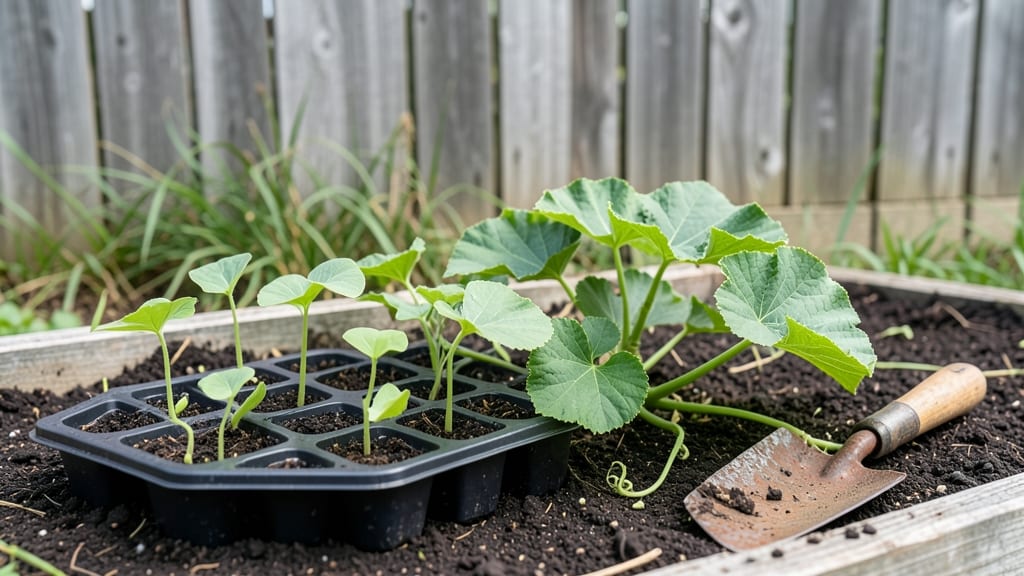
Spaghetti squash seeds need warmth and patience to break through their tough shells—90% sprout success starts with the right soil temperature and moisture trick. 🌱 I learned the hard way that cold, damp soil makes them rot before they even wake up, but once I cracked the code, my germination rate jumped from 20% to nearly every seedling making it.
The secret? Warmth first, then moisture. Place your seed-starting tray on a seedling heat mat (or a sunny windowsill with a clear plastic dome) until the soil reaches 85°F—that’s when these stubborn seeds finally decide to sprout.
Keep the soil damp but not soggy, and you’ll see tiny green hooks poking through in 7-14 days, not the weeks I used to wait.
Once they’re up, give them bright light (12+ hours daily) to prevent leggy seedlings, and avoid transplanting until they’ve got 3-4 true leaves—that’s when they’re tough enough to handle the garden. The payoff? A harvest of those golden, stringy squash you’ll actually want to eat.
This works for any spaghetti squash variety, whether you’re growing in pots or straight in the ground. Here’s the step-by-step to skip the guesswork and get those seeds cooperating.
What Triggers Sprouting Issues
Understanding why spaghetti squash seeds fail to sprout—or worse, rot or mold—boils down to a mix of environmental, biological, and human factors. While these seeds are generally easy to germinate, small oversights can derail your gardening goals.
Let’s break down the real culprits behind sprouting problems, so you can fix them before they happen.
🌱 The Problem: Even healthy spaghetti squash seeds lose viability over time. If your seeds are older than 2–3 years, their stored energy reserves (endosperm) degrade, making germination sluggish or impossible.
Additionally, seeds harvested from store-bought squash (often hybrid or treated) may have lower natural vigor compared to fresh, home-grown ones.
Why It Happens:
- Moisture loss: Seeds dry out during storage, compromising their ability to absorb water efficiently.
- Oxidative damage: Exposure to air and light breaks down essential enzymes needed for germination.
- Pathogen buildup: Fungal or bacterial spores on old seeds can inhibit root development.
Actionable Fix:
- Test viability: Float a handful of seeds in water—sinkers are viable, floaters are duds. Discard the latter.
- Store properly: Keep seeds in a cool (50–60°F), dark, airtight container with a silica gel packet to absorb moisture.
- Use fresh seeds: Purchase from reputable seed banks or save seeds from fully mature, organic squash (let them dry on paper towels for 2 weeks before storage).
💧 The Problem: Spaghetti squash seeds need constant, gentle moisture—not too much, not too little. Overwatering suffocates seeds with oxygen deprivation, while underwatering halts metabolic activity. Both scenarios lead to rot or dormancy.
Why It Happens:
- Poor drainage: Compacted soil or shallow containers trap excess water, creating anaerobic conditions where harmful bacteria thrive.
- Inadequate hydration: Uneven watering causes seeds to dry out between soakings, breaking the germination cycle.
- Temperature fluctuations: Cold soil slows water absorption, while heat evaporates moisture too quickly.
Actionable Fix:
- Use a seed-starting mix: Opt for a light, sterile mix (like coconut coir + perlite) to prevent compaction.
- Bottom-watering technique: Place your seed tray in a shallow dish of water for 10–15 minutes, then drain excess. Repeat daily until sprouts appear.
- Maintain humidity: Cover seeds with a humidity dome or plastic wrap to retain moisture without drowning them.
- Monitor soil temp: Ideal germination occurs at 70–85°F. Use a seedling heat mat if your space is chilly.
🌡️ The Problem: Spaghetti squash seeds are warm-season lovers—they won’t sprout if the soil is too cold or too hot. Below 50°F, enzymes stall; above 95°F, seeds cook themselves.
Why It Happens:
- Cold soil: Enzymes like amylase and protease (critical for breaking down starches) become inactive, halting root growth.
- Heat stress: High temps denature proteins in the seed, causing cellular damage.
- Diurnal swings: Rapid temperature changes (e.g., day/night shifts) confuse the seed’s internal clock, delaying germination.
Actionable Fix:
- Pre-warm soil: If starting indoors, use a seedling heat mat set to 75–80°F until sprouts emerge.
- Outdoor timing: Wait until nighttime temps stay above 60°F before direct sowing.
- Shade cloth: Protect outdoor seeds from midday heat (above 90°F) with a 30–50% shade cover.
- Stratification hack: For stubborn seeds, nick the seed coat with sandpaper to help water penetrate, then soak in warm water for 12 hours before planting.
🚫 The Problem: Seeds need oxygen to respire and activate growth hormones like gibberellins. Compacted or waterlogged soil cuts off this airflow, leading to rotting or "damping-off" (a fungal disease).
Why It Happens:
- Heavy soil: Clay or garden soil without amendments suffocates roots.
- Overcrowding: Seeds planted too close (less than 1 inch apart) compete for oxygen.
- Stagnant water: Poor drainage creates a anaerobic environment, inviting fungi like Pythium.
Actionable Fix:
- Aerate the mix: Add vermiculite or perlite (20–30%) to your seed-starting soil for better airflow.
- Space seeds properly: Plant ½ inch deep, 2 inches apart to avoid competition.
- Use a breathable container: Opt for biodegradable pots or a tray with drainage holes.
- Avoid overwatering: Let the top ½ inch of soil dry between waterings once seeds sprout.
🌿 The Problem: Spaghetti squash seeds don’t need light to germinate, but premature light exposure can cause etiolation (weak, leggy sprouts), while complete darkness may delay emergence.
Why It Happens:
- Surface planting: Seeds buried too shallowly dry out or get "fried" by light.
- Overhead lights: Grow lights placed too close or too early (before the radical emerges) can stress seedlings.
- Natural light gaps: If starting in a dim window, seeds may stretch toward light before developing roots.
Actionable Fix:
- Ideal depth: Plant seeds ½–1 inch deep in soil.
- Wait for the radical: Keep seeds in total darkness until the white root (radical) breaks through, then provide 12–14 hours of light/day.
- Use a grow light: Position it 2–3 inches above seedlings once they’re 1–2 inches tall.
- Rotate trays: Ensures even light exposure and prevents lopsided growth.
🐛 The Problem: Fungal infections (like damping-off) or insect damage (e.g., seed corn maggots) can sabotage germination before it starts.
Why It Happens:
- Contaminated soil: Reused or unsterilized soil may harbor fungi or bacteria.
- Poor hygiene: Dirty hands, tools, or containers introduce pathogens.
- Outdoor threats: Pests like cutworms or slugs may nibble on sprouts at the soil line.
Actionable Fix:
- Sterilize your setup: Soak trays and tools in a 10% bleach solution (1 part bleach to 9 parts water), then rinse.
- Use fungicide: Dust seeds with cinnamon powder or neem cake before planting to deter fungi.
- Row covers: Protect outdoor seeds with floating row fabric until seedlings are sturdy.
- Beneficial microbes: Add mycorrhizal fungi or compost tea to soil to boost natural defenses.
Fixing Seed Sprouting Struggles
Got spaghetti squash seeds that just won’t cooperate? Don’t worry—germination hiccups are fixable with the right tweaks. Below, we’ll tackle the most common issues and show you how to turn those stubborn seeds into thriving sprouts. Whether it’s moisture, temperature, or patience playing a role, these solutions will get your seeds growing instead of grumbling.
If your seeds feel like they’re in a desert, it’s no surprise they’re not sprouting. Spaghetti squash seeds need consistent moisture to wake up, but too much water can drown them. Here’s how to strike the perfect balance:
- 🍳 Pre-Soak for Speed Soak seeds in warm water for 6–12 hours before planting. This softens the outer shell and kickstarts the germination process. Use a clean jar or bowl with a damp paper towel draped over the top to keep humidity high.
- 👨🍳 Plant in Damp, Not Soggy, Soil Mix your potting soil with a bit of perlite or coconut coir to improve drainage. Water it until it’s moist but not waterlogged. Think of it like a wrung-out sponge—squeeze out excess water before planting.
- 🥘 Cover for Humidity (But Not Forever!) After planting, loosely cover the pot with plastic wrap or a humidity dome. Check daily to prevent mold (a white fuzzy film is a red flag—remove the cover and let it air out). Once sprouts appear, remove the cover to avoid rot.
- 💡 Pro Tip: Use a spray bottle to mist seeds instead of pouring water directly on them. This keeps the soil evenly moist without disturbing the seeds.
Spaghetti squash seeds are tropical at heart—they need warmth to sprout. If your space is chilly, try these tricks to coax them along:
- 🌡️ Heat Mat Magic Place your seed tray on a seedling heat mat (set to 75–85°F). These mats mimic the warmth of a greenhouse and can cut germination time in half.
No heat mat? A sunny windowsill or a spot near a warm appliance (like the fridge) can work in a pinch.
- 🔥 DIY Greenhouse Hack Pop a clear plastic bag over the pot and secure it with a rubber band. Place the setup in a warm, bright spot (like above the fridge). The trapped heat will speed up germination. Just remember to ventilate daily to prevent condensation buildup.
- 🎯 Timing Is Everything Plant seeds indoors 8–10 weeks before your last frost date. If you’re in a cooler climate, start them even earlier. Patience pays off—spaghetti squash seeds can take 7–21 days to sprout, depending on conditions.
If your seeds are playing the waiting game, let’s rule out the obvious (and fixable) issues:
- 🔪 Check Seed Viability Not all seeds are created equal. Test a few by placing them in a glass of water:
- Floaters? Toss them—they’re likely dead.
- Sinkers? Plant these first; they’ve got the best chance.
- 🌱 Depth Matters Plant seeds only ½ inch deep in warm soil. Burying them too deep can suffocate them, while planting too shallowly risks drying them out. Use your finger to make a small hole, drop in 2–3 seeds, and cover gently.
- 🌿 Light vs. Dark Spaghetti squash seeds don’t need light to germinate—focus on warmth and moisture first. Once sprouts appear, move them to a bright, indirect light source (like a south-facing window or grow lights).
- 🔥 Emergency Boost If seeds still won’t sprout after 3 weeks, try a warm water soak with a drop of hydrogen peroxide (3%). This can sterilize the seed coat and encourage growth. Rinse thoroughly before replanting.
Once you’ve got sprouts, keep them thriving with these easy habits:
- ✅ Use fresh seeds: Spaghetti squash seeds lose viability after 2–3 years. Buy new seeds or harvest from a healthy squash for best results.
- ✅ Sterilize your tools: Clean pots, trays, and scissors with a 10% bleach solution (1 part bleach to 9 parts water) to prevent mold and disease.
- ✅ Rotate your plants: If growing multiple squash varieties, space them out to avoid cross-contamination and pests.
- ✅ Monitor moisture: Overwatering is a sneaky killer. Stick your finger in the soil—if the top inch is dry, it’s time to water.
- ✨ Bonus Tip: Label your seeds! Spaghetti squash can cross-pollinate with other winter squash, so keep track of varieties to avoid surprises.
With these fixes, your spaghetti squash seeds should be sprouting like clockwork. Remember, germination is part science, part patience—so don’t rush it! Soon, you’ll be harvesting those golden strands and enjoying homegrown squash like a pro. 🌱🍽️
Frequently asked questions
How long should I wait before giving up on spaghetti squash seeds that haven't sprouted?
Give them 3 weeks under ideal conditions (warmth, moisture, and darkness) before declaring them failed. Spaghetti squash seeds can take 7-21 days to sprout, but stubborn ones may need extra time or a little help like a warm water soak with hydrogen peroxide to break dormancy.
Can I use store-bought spaghetti squash seeds, or should I save my own?
Store-bought seeds will work, but they may have lower germination rates than fresh, home-saved seeds. For best results, save seeds from fully mature, organic squash—let them dry on paper towels for 2 weeks before storing in a cool, dark place. Store-bought seeds often come from hybrid varieties with treated coatings that can reduce viability over time.
Why are my spaghetti squash seedlings growing tall and weak (etiolation)?
This happens when seedlings get too much light too early or don't have enough warmth. Keep seeds in darkness until the radical (white root) emerges, then provide 12-14 hours of bright, indirect light. Use a grow light 2-3 inches above seedlings once they're 1-2 inches tall, and rotate trays daily for even growth. A seedling heat mat can also prevent leggy growth by maintaining optimal soil temperatures.
What's the best way to transplant spaghetti squash seedlings without shocking them?
Wait until seedlings have 3-4 true leaves and harden them off for 7-10 days before transplanting. Harden off by gradually exposing them to outdoor conditions (start with 1-2 hours/day in shade, then increase). Plant in well-draining soil at the same depth they grew in containers, and water thoroughly after transplanting to reduce stress. Avoid transplanting when temperatures drop below 50°F.