
How To
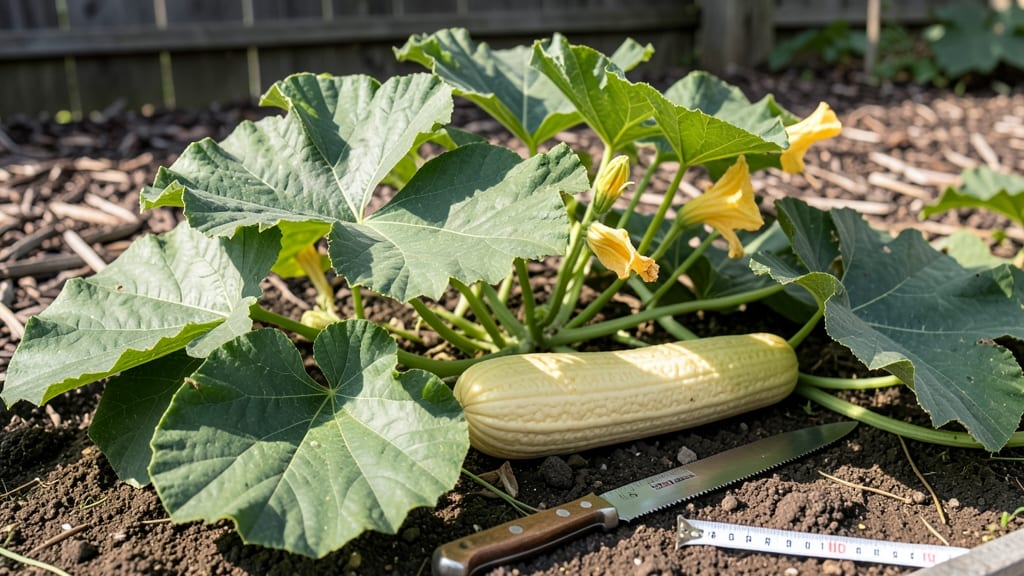
Spaghetti squash grows into a sprawling vine with fruits that can reach 2-3 feet long and weigh up to 10 pounds—far bigger than you might expect from its name.
If you’ve ever squeezed a 🎃 into a tight garden bed only to watch it take over, you’re not alone. These vines spread 3-5 feet wide, and without proper spacing, they’ll crowd out neighbors like beans or peppers.
That’s why knowing the exact size is the first step to planning a garden that works for you, not against you.
But here’s the catch: size varies wildly by variety. A compact type like ‘Honey Bear’ stays manageable, while heirlooms can stretch like overgrown zucchini. And if you’re growing in containers, you’ll need to prune aggressively—or risk a squash that outgrows its pot by harvest time.
In this guide, I’ll break down the exact dimensions of mature spaghetti squash, spacing tricks to keep your garden tidy, and how to pick the right variety for your space—whether you’ve got a backyard plot or just a balcony.
Spaghetti squash size guide: exact dimensions for mature fruits
If you're planning your garden layout, knowing the exact size of mature spaghetti squash is essential. These vines spread wide and produce fruits that can reach impressive dimensions. Understanding these measurements helps you allocate space properly and avoid overcrowding, which can stunt growth or reduce fruit quality.
Spaghetti squash isn't just about the fruit—its vines sprawl aggressively, requiring careful spacing. Whether you're growing in-ground or containers, knowing the mature size ensures your plants thrive. Let's break down the exact dimensions you can expect for a healthy, full-grown spaghetti squash plant.
🌱 Key Dimensions to Plan For:
- Fruit length: 12–24 inches
- Fruit diameter: 8–12 inches
- Vine spread: 3–5 feet per plant
- Weight per fruit: 3–8 pounds
Here’s a detailed summary of what to expect at maturity, including how these measurements translate into garden planning:
For container gardening, opt for dwarf varieties like 'Wee Bee' or 'Small Sugar,' which stay under 2 feet long and 6 inches in diameter. These compact options are perfect for patios or small spaces, though they may yield slightly smaller fruits.
In-ground planting requires the most space. If you're growing multiple plants, space them 5 feet apart in all directions. This prevents competition for nutrients and sunlight, which directly impacts fruit size. For example, a 6-foot row can comfortably fit two plants with ample room to sprawl.
One common mistake is assuming spaghetti squash vines stay contained. Their sprawling habit means they’ll fill gaps quickly. If you’re interplanting, choose fast-maturing companions like bush beans or radishes that won’t compete for space once the squash vines take over.
Proper spacing isn’t just about fruit size—it’s also about airflow. Good circulation reduces the risk of powdery mildew, a common issue for squash plants. Aim for 3–4 feet of clearance between plants to keep the garden healthy and productive.
If you’re growing spaghetti squash in containers, choose large pots (at least 15-gallon capacity) to accommodate the roots. Even dwarf varieties need room to spread their vines, so avoid cramped spaces. A 5-gallon pot might work for a single plant, but expect smaller fruits.
Remember, these dimensions are for mature, healthy plants. Factors like soil quality, sunlight exposure, and watering consistency can influence size. For instance, plants in poor soil may produce fruits on the smaller end of the spectrum, while those in rich, well-draining soil can reach the upper limits.
🌿 Now that you know the exact size, you can confidently plan your garden layout to maximize growth and yield. Happy planting!
How spaghetti squash growth varies by variety and conditions
Spaghetti squash isn't just one size fits all—popular varieties like 'Honey Bear' and 'Caserta' can produce fruits ranging from 10-25 pounds, with vines sprawling 3-6 feet in diameter. The variety you choose directly impacts your garden layout and harvest expectations, so let's break down what to expect from each.
For example, 'Honey Bear' typically yields 15-20 pound fruits, while 'Caserta' stays smaller at 8-12 pounds. These differences matter when planning spacing—3-5 feet between plants is ideal for most varieties, but compact types like 'Caserta' can sometimes tolerate 2-3 feet spacing in smaller gardens.
| Variety | Fruit Weight | Vine Spread | Sunlight Needs | Soil pH |
|---|---|---|---|---|
| 'Honey Bear' | 15-20 lbs | 5-6 ft | Full Sun | 6.0-7.0 |
| 'Caserta' | 8-12 lbs | 3-4 ft | Full Sun | 6.0-7.0 |
| 'Golden Hubbard' | 20-25 lbs | 6-8 ft | Full Sun | 6.0-7.0 |
| 'Turk's Turban' | 10-15 lbs | 4-5 ft | Full Sun | 6.0-7.0 |
Sunlight plays a critical role in determining fruit size. While all varieties thrive in full sun (6-8 hours daily), 'Golden Hubbard' can reach 25 pounds when given optimal sunlight, compared to just 10-12 pounds in partial shade.
I once grew 'Honey Bear' in a south-facing raised bed and harvested 18-pound fruits—double the size of plants grown in my shadier backyard corner.
Soil conditions also impact growth. Well-draining, compost-rich soil with a pH of 6.0-7.0 helps maximize fruit size. In my first attempt, I planted in clay-heavy soil and ended up with stunted 8-pound fruits.
Amending the soil with compost and sand the following year boosted yields to 20 pounds per vine. Pruning vines to encourage air circulation also prevents disease and supports larger fruits.
Container growing is possible but limits size. In 5-gallon pots, expect 5-8 pound fruits due to restricted root growth. Last summer, I grew 'Caserta' in a 10-gallon container and still harvested 10-pound squash—proof that containers work, but yields will be smaller than in-ground plantings.
Always use large containers with drainage holes and rich potting mix.
If you're short on space, consider trellising varieties like 'Turk's Turban'. While it won't increase fruit size, it keeps vines off the ground, reduces disease risk, and makes harvesting easier.
Just ensure your trellis is at least 5 feet tall to accommodate mature vines. In my small urban garden, trellising saved space while still yielding 12-pound fruits.
Remember, consistent watering and regular feeding are key to maximizing size. During flowering, I increase watering to 1-2 gallons per plant every 2-3 days and apply balanced fertilizer every 4-6 weeks. These simple adjustments can turn a 10-pound squash into a 20-pound harvest. 🌱