
Planting
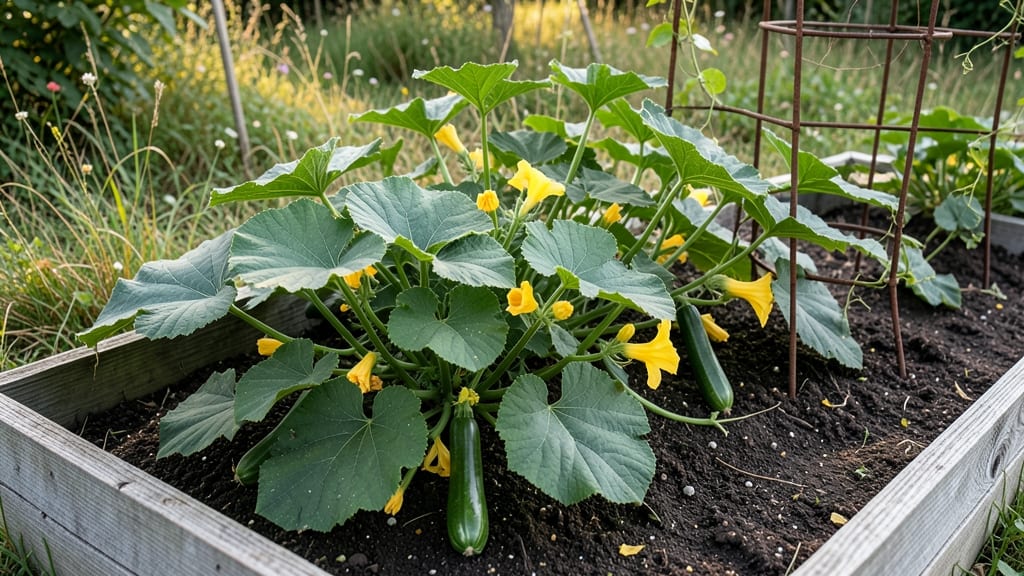
A full-grown summer squash plant 🍆 is a powerhouse in your garden, capable of producing a bounty of tender fruits—but only if you know what to expect and how to care for it.
Picture this: you planted those tiny seeds in early summer, and now you’re staring at a lush, leafy plant that looks ready to take over your garden. But how do you know when it’s truly mature? And what does a healthy, productive summer squash plant actually look like?
Most varieties reach full maturity in just 45-65 days, but whether you’re harvesting 2 squash or 12 depends on variety, spacing, and care. The key is understanding the growth stages, from bushy foliage to fruit development, so you can avoid common mistakes that stunt production.
In this guide, I’ll break down everything you need to know—from recognizing a mature plant to maximizing yield, pruning tips, and when to harvest for peak flavor. Let’s get those squash growing like a pro!

How long until a summer squash plant reaches full maturity and harvest time
If you've planted summer squash seeds and are eagerly waiting for that first harvest, you're not alone! Most summer squash varieties reach full maturity in 45-65 days from planting, but this timeline can shift based on your growing conditions.
Understanding the growth stages and what to expect will help you track progress and ensure a bountiful harvest. Let's break down the journey from seedling to full maturity.
Summer squash plants typically go through four key growth stages: germination, vegetative growth, flowering, and fruiting. Each stage has its own timeline and care requirements. For example, zucchini and yellow crookneck varieties often mature faster—around 50-55 days—while some heirloom varieties may take up to 60-65 days.
Knowing these differences helps you plan your garden and set realistic expectations.
Here's a quick look at what to expect from planting to harvest:
The type of summer squash you grow—whether it's a bush variety or a vining type—will influence how quickly it matures. Bush varieties like Patio Star or Eight Ball typically mature faster and produce fruit in 50-55 days. They're compact, making them ideal for containers or small gardens.
On the other hand, vining types like zucchini or yellow squash may take 55-65 days to reach full maturity but produce more fruit per plant. If space is limited, bush varieties are the way to go!
Environmental factors like temperature, sunlight, and soil quality play a huge role in how quickly your squash matures. Summer squash thrives in warm soil (at least 60°F) and requires 6-8 hours of sunlight daily.
If your garden gets less sunlight, your plants may take longer to mature. Additionally, well-draining, nutrient-rich soil speeds up growth. Amend your soil with compost before planting to give your squash plants the best start possible.
Tracking your squash plant’s progress is easier than you think! Start by marking the day you plant your seeds. Use a gardening journal or a simple calendar to note key milestones, like when the first true leaves appear or when flowers bloom.
This helps you stay on top of care tasks and adjust your expectations. For example, if your zucchini flowers appear by day 21, you can expect fruit in about 2-3 weeks after that.
One common mistake gardeners make is waiting too long to harvest their squash. Summer squash should be picked when they're 6-8 inches long and the skin is firm but tender. If left on the vine too long, they can become tough and seedy.
Regular harvesting encourages more production, so check your plants every 2-3 days once they start flowering. This habit keeps your plants productive and prevents overcrowding.
If you're growing summer squash in containers or limited space, choose compact varieties like Bush Baby or Straight Eight. These varieties mature quickly and are perfect for balconies or small gardens.
Even in containers, they follow the same 45-65 day timeline, but you may need to fertilize more frequently to compensate for the limited root space.
Finally, don’t forget that pest pressure and disease can delay maturity if left unchecked. Keep an eye out for cucumber beetles, squash bugs, or signs of powdery mildew. Addressing these issues early ensures your plants stay healthy and on track for a timely harvest.
Use row covers for young plants or apply organic sprays like neem oil to protect your squash.
With the right care and attention, your summer squash plants will reach full maturity in no time, and you'll be enjoying fresh, homegrown squash in just a few short weeks! 🌱
Summer squash plant yield secrets: how many squash to expect per plant
If you're dreaming of a summer overflowing with fresh summer squash, knowing how many fruits to expect per plant is key. The answer varies dramatically based on the variety you grow—bush types produce modestly, while vining varieties can be prolific.
Understanding these differences helps you plan your garden layout and set realistic expectations for your harvest.
Most bush summer squash varieties, like Patio Star or Eight Ball, yield between 2-4 squash per plant. These compact plants focus energy on fewer fruits but require less space.
On the other hand, vining types like Yellow Crookneck or Straightneck can produce 6-12+ squash per plant if given proper care and space to sprawl.
🌱 Key Factors That Boost Summer Squash Yield
- 1. Sunlight: 6-8+ hours daily ensures vigorous growth and heavy fruiting. Even partial shade can cut yields by 30-50%.
- 2. Spacing: Give vining types 3-5 feet between plants to prevent competition. Bush varieties need 2-3 feet.
- 3. Watering: Keep soil consistently moist (1-2 inches per week). Drought stress reduces flower production by up to 40%.
- 4. Pruning: Remove yellow leaves and overcrowded fruit to redirect energy. Limit to 3-5 squash per vine for optimal size.
- 5. Soil Fertility: Amend with compost and use a balanced fertilizer (10-10-10) every 4-6 weeks during fruiting.
One of the biggest mistakes gardeners make is assuming all summer squash plants yield equally. Zucchini, for example, can produce 12-20 squash per plant under ideal conditions, while crookneck varieties may only yield 4-8.
The secret lies in matching the plant's growth habit to your garden space and care routine.
To maximize yield without overcrowding, I recommend interplanting with companion plants like bush beans or radishes. These help break up soil-borne diseases while utilizing vertical space. Additionally, trellising vining varieties (like Scallopini) can save space and improve air circulation, reducing fungal risks.
Harvesting regularly is another critical factor. If you let squash grow too large, the plant diverts energy to seed production instead of new fruits. Aim to harvest every 3-5 days during peak production. This not only boosts yield but also improves flavor and texture.
For container gardeners, choose bush varieties like Ronde de Nice or Black Beauty, which thrive in 5-gallon pots and yield 2-3 squash per plant. Just ensure the container has drainage holes and you fertilize weekly during fruiting.
With the right variety selection, spacing, and care routine, you can turn a single summer squash plant into a productive powerhouse—whether you're growing in a backyard, raised bed, or balcony container. The key is patience and consistency! 🌿