
Vegetables
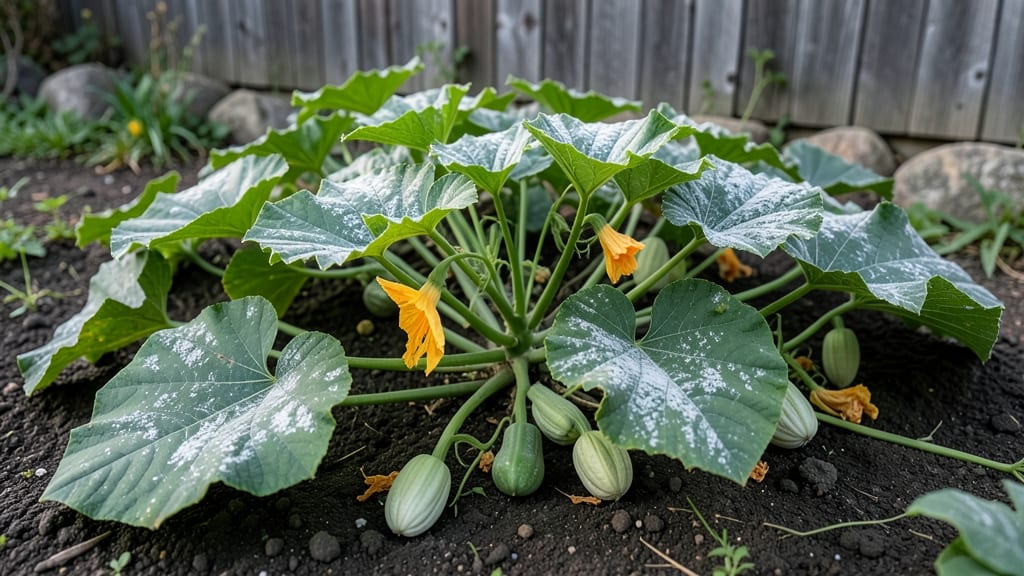
That white powder on your squash leaves isn’t dust—it’s a fungal infection spreading fast. 🌱 I’ve battled powdery mildew on my zucchini and summer squash, and the key to stopping it lies in a simple organic spray that works within days.
The moment you see those telltale patches, act immediately to save your harvest before the entire plant yellows and dies.
This fungus thrives in humid conditions and spreads through spores that float on the breeze. Most gardeners make the mistake of ignoring it until it’s too late—by then, the plant is already stressed and less productive. The good news?
A mix of neem oil and baking soda disrupts the fungus’s life cycle while being completely safe for edible plants. You’ll need just 3 ingredients and 10 minutes to whip up a solution that stops new growth within 24 hours.
What you’ll end up with is squash plants that look vibrant green again, not covered in that chalky residue. The spray doesn’t just treat the visible spots—it strengthens the plant’s natural defenses so future outbreaks stay away.
Plus, your harvest stays crisp, disease-free, and ready to pick straight from the vine. The best part? No harsh chemicals, just a foolproof organic fix.
This method works for all squash varieties, from bush types to vining varieties, and adapts to both container gardens and in-ground plots. Whether you’re dealing with a sudden outbreak or trying to prevent one before it starts, the same spray does the job.
Let’s get those leaves clean and your plants thriving again.
The Hidden Triggers Behind Fungal Outbreaks
Powdery mildew isn’t just a random nuisance—it’s a fungal party that thrives when conditions align just right. For squash plants, these conditions often stem from a mix of environmental factors, cultural mistakes, and even the plants’ own biology.
Understanding the why behind these outbreaks is the first step to stopping them in their tracks. Let’s break down the key culprits—each one a ticking time bomb for your squash leaves.
Powdery mildew loves temperature swings, especially when daytime highs hover between 60–85°F (15–30°C) and nights dip below 60°F (15°C). Here’s why:
- Slow evaporation: Warm days create humidity, but cooler nights prevent water from evaporating quickly. This leaves moisture lingering on leaves—the fungus’s favorite breeding ground.
- Metabolic boost: The fungus Erysiphe cichoracearum (a common squash mildew strain) grows fastest in these conditions because its spores germinate more aggressively when temperatures are moderate, not scorching.
- Weakened plant defenses: Squash plants stressed by temperature fluctuations produce less waxy cuticles on their leaves, making them easier targets for fungal invasion.
Actionable fix: Choose squash varieties bred for your climate (e.g., heat-tolerant Butternut or disease-resistant Hubbard). If swings are unavoidable, prune for airflow and water in the early morning to let leaves dry fast.
Splashing water onto leaves doesn’t just wet them—it spreads fungal spores like confetti. Here’s the science:
- Spore hitchhiking: Mildew spores are lightweight but sticky. When you water overhead, they stick to droplets and get splashed onto healthy leaves, colonizing new territory.
- Prolonged leaf wetness: Leaves stay damp for hours after watering, giving spores a 12–24 hour window to germinate and infect.
- Root stress: Overhead watering can disrupt soil microbes that naturally suppress fungi, weakening the plant’s immune response.
Actionable fix: Switch to drip irrigation or soaker hoses to keep water at the roots. If you must hand-water, use a watering wand with a gentle spray and aim for the soil, not the foliage.
Squash vines aren’t just picky about space—they’re fungal magnets when crammed together. Why?
- Reduced airflow: Dense foliage traps stagnant, humid air, creating the perfect microclimate for mildew. Spores linger longer and spread faster in still air.
- Leaf-to-leaf contact: When leaves brush against each other, spores transfer directly like a fungal handshake.
- Stress signals: Overcrowded plants emit stress hormones (like ethylene) that can suppress their own defenses, making them easier targets.
Actionable fix:
- Space squash vines 3–5 feet apart (check your variety’s needs).
- Prune lower leaves that touch the soil to improve airflow.
- Use vertical trellises for bush types like Zucchini to lift leaves off the ground.
A squash plant’s ability to fight mildew starts below the soil. If the roots aren’t happy, the leaves become easy prey. Common soil-related triggers:
- Nitrogen overload: Too much nitrogen (from fresh manure or synthetic fertilizers) produces soft, lush growth that’s highly susceptible to fungal infections.
- Compacted or waterlogged soil: Roots struggle to absorb nutrients, weakening the plant’s cuticle and immune response.
- Lack of beneficial microbes: Healthy soil teems with trichoderma fungi and mycorrhizae, which naturally compete with mildew. Poor soil? No backup defense.
Actionable fix:
- Test your soil and balance nutrients—aim for a low-nitrogen, high-phosphorus blend (e.g., 5-10-10 fertilizer).
- Amend soil with compost or worm castings to boost microbial activity.
- Mulch with straw or wood chips to improve drainage and regulate soil temp.
Mildew doesn’t just attack weak plants—it exploits them. Here’s how stress opens the door:
- Age-related decline: Older squash leaves have thinner cuticles and fewer defensive compounds, making them prime real estate for spores.
- Nutrient deficiencies: Low magnesium or calcium weakens cell walls, giving fungi an easier entry point.
- Pest damage: Insects like cucumber beetles create wounds that mildew spores exploit to invade.
Actionable fix:
- Remove oldest leaves (especially those with yellowing or spotting) to redirect energy to new growth.
- Apply foliar sprays of seaweed extract or fish emulsion to boost plant resilience.
- Monitor for pests and act fast—neem oil or insecticidal soap can prevent secondary fungal infections.
Pro Tip: 💡 Prevention is cheaper than cure—combine 3+ strategies (e.g., drip irrigation + spacing + soil amendments) to break the mildew cycle before it starts. Once spores take hold, they’re far harder to eradicate.
Quick Fixes for Fungal Foes
Powdery mildew might feel like a stubborn houseguest, but with the right moves, you can evict it fast—without harsh chemicals. Below, we’ve mapped out practical, organic solutions tailored to the root causes of your squash’s woes.
Think of this as your battle plan: prevent, treat, and protect your plants like a pro.
Fungal spores love stagnant air—it’s like their cozy blanket. If your squash vines are touching or shaded by dense foliage, mildew thrives.
How to fix it:
- 🔪 Prune aggressively: Snip away crowded leaves (wear gloves—some plants have prickly stems!). Aim for 3–4 inches of space between vines.
- 🌿 Train vines upward: Use trellises or stakes to lift squash off the ground. This improves airflow and makes harvesting easier.
- 🌡️ Space new plants: If starting fresh, give squash 3–5 feet of diameter (or follow seed packet guidelines). Crowding = mildew’s best friend.
💡 Pro Tip: Mulch under plants (not against stems) with straw or grass clippings to keep soil moist without trapping humidity near leaves.
Powdery mildew begins when leaves stay damp overnight. If you’re watering at dawn or dusk, you’re basically inviting the fungus to the party.
How to fix it:
- ⏰ Water in the morning: Aim for deep, infrequent watering (1–1.5 inches per week). Use a soaker hose or drip irrigation to avoid wetting leaves.
- 🌧️ Avoid overhead sprinklers: If you must use them, water early so leaves dry by noon.
- 🌱 Improve drainage: Amend heavy clay soil with compost or sand to prevent soggy roots. Raised beds help too!
🔥 Emergency Dry-Out Trick: If mildew appears, remove affected leaves (wear gloves!) and spray the rest with plain water in the morning to wash off spores.
Once the white powder shows up, act fast. These DIY sprays are gentle on plants but tough on fungus.
🍳 Baking Soda + Soap Spray (Best for Early Stages)
Ingredients:
- 1 tbsp baking soda
- 1 tsp dish soap (like Castile or Dawn)
- 1 gallon water
How to use:
- Mix in a spray bottle.
- 👨🍳 Spray undersides of leaves (that’s where spores hide!) in the morning.
- Reapply every 7–10 days or after rain.
✨ Why it works: Baking soda raises the leaf’s pH, making it inhospitable for fungus. Soap adds a mild surfactant to help the mix stick.
🍵 Neem Oil (For Stubborn Cases)
Ingredients:
- 1 tbsp neem oil
- 1 tsp horticultural oil (or vegetable oil)
- 1 tsp dish soap
- 1 quart water
How to use:
- Shake well and spray evenly on both sides of leaves.
- 🌡️ Apply when temps are 50–90°F (not in direct sun—it can burn leaves).
- Repeat every 7–14 days until mildew clears.
💡 Pro Tip: Neem oil also prevents future infections—use it as a preventative spray every 2 weeks during humid months.
🍄 Milk Spray (Yes, Really!)
Ingredients:
- 1 part raw milk (or skim milk in a pinch)
- 9 parts water
How to use:
- Mix and spray directly on leaves (the lactic acid fights fungus).
- Reapply every 5–7 days or after rain.
🔥 Bonus: Milk spray also strengthens plant cell walls, making them more resistant to future attacks.
The best fixes are the ones that stop the problem before it starts. Here’s how to keep your squash mildew-free season after season:
- 🌱 Choose resistant varieties: Look for squash labeled "powdery mildew resistant" (e.g., ‘Walthall’ butternut or ‘Early Prolific’ crookneck). - 🌿 Rotate crops: Don’t plant squash (or cucurbits like cucumbers/melons) in the same spot yearly.
Wait 3 years before replanting. - 🍂 Clean up debris: Remove old vines and leaves after harvest (or compost them far from your garden). - 🌡️ Boost plant health: Healthy plants fight mildew better!
Feed squash with compost tea or a balanced organic fertilizer (like 5-5-5) at planting and mid-season. - 🌿 Companion plant: Interplant squash with marigolds, nasturtiums, or garlic—these repel pests and improve airflow.
🎯 Final Reminder: Powdery mildew is manageable, not hopeless. Start with one or two fixes (like spacing plants + baking soda spray), and you’ll see improvement in 7–14 days. If the problem persists, combine neem oil + airflow fixes for a one-two punch!
Frequently asked questions
Why does powdery mildew appear more on the undersides of squash leaves?
Mildew spores thrive in humid, sheltered areas where airflow is poor. The undersides of leaves create the perfect microclimate—moisture lingers longer, and spores can germinate without direct sunlight drying them out. This is why you’ll often see the first signs of infection on the leaf undersides before it spreads to the tops.
Can I still eat squash if the leaves have powdery mildew?
Yes, but focus on harvesting the fruit itself. The fungus primarily affects leaves and vines, not the edible parts. Remove heavily infected leaves to improve airflow and reduce spore spread. Always wash squash thoroughly before eating, even if the leaves were affected.
How long does it take for baking soda spray to work on mildew?
You’ll typically see visible improvement within 3–5 days of consistent application (every 7–10 days). For stubborn cases, combine it with neem oil. The key is persistence—keep spraying until new growth appears completely free of the white powder, which usually takes 2–3 weeks.
Will copper spray work for powdery mildew on squash?
Copper fungicides can help, but they’re less effective than organic options like neem oil or baking soda for powdery mildew. Copper works better against bacterial diseases. Plus, it can harm beneficial insects and soil microbes. For squash, stick to mildew-specific treatments to avoid unintended consequences.
Can I use the same spray bottle for baking soda and neem oil mixes?
No, never mix them in the same container. Baking soda solutions are alkaline while neem oil is acidic—they’ll neutralize each other’s effectiveness. Always use separate spray bottles for each treatment. Clean bottles thoroughly between uses to prevent cross-contamination.