
Vegetables
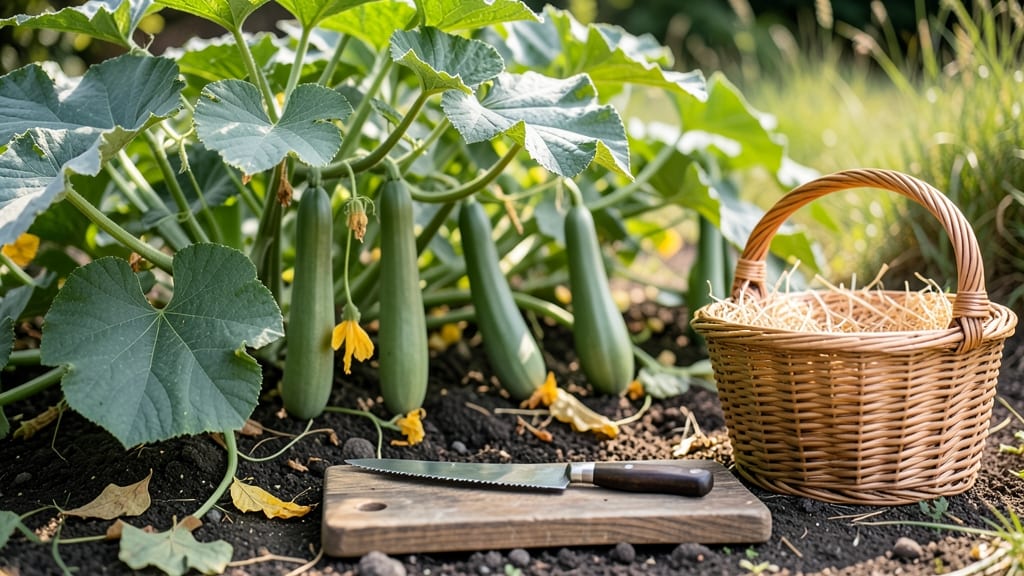
Picking straight neck squash 🎃 at the right time means the difference between a sweet, tender harvest and a tough, flavorful disappointment.
You’ve probably watched your squash grow from tiny blossoms to full-sized fruits, wondering if they’re ready—only to find out too late. The secret lies in watching for that color shift from green to cream or yellow, combined with a firm neck and a gentle thumb test.
In Zone 6a, that window opens around July and stretches into September, but heat waves or cool spells can shift it earlier or later. Knowing these signs ensures you don’t miss the peak or end up with overripe squash that’s past its prime.
Below, I’ll walk you through the exact cues—from skin texture to stem changes—and how to adjust for your local climate to lock in the best flavor every season.
How to identify straight neck squash ripeness by color and size
Knowing when to pick straight neck squash depends on two key factors: skin color and fruit size. Unlike zucchini, which can be harvested small, straight neck squash should reach full maturity for the best flavor.
The color shift from bright green to cream or yellow signals ripeness, but size matters just as much—aim for 6 to 12 inches long for ideal texture.
Sunlight exposure plays a critical role in ripening. Squash growing in full sun (6-8 hours daily) will develop color faster than those in partial shade. If your garden receives less than 6 hours of sunlight, expect a slower color transition and potentially uneven ripening.
Always check the neck of the squash—it should straighten out as it matures, a classic sign of readiness.
Here’s a quick color and size guide to avoid common mistakes like picking too early (tender, seedy) or too late (woody, tough). Pay attention to these visual cues to ensure a perfect harvest every time.
For straight neck squash varieties like 'Gold Rush' or 'Straight Eight,' the color shift from green to cream is a clear signal. However, some heirloom varieties may stay green longer—always rely on size and neck shape as backup cues.
If you’re unsure, gently press the skin; it should feel firm but not hard.
One common mistake is harvesting based on color alone. Some squash may turn yellow prematurely due to stress or poor sunlight, while others stay green even when fully ripe.
Always combine color, size, and texture for accuracy. Overripe squash will have hard, woody skin and a hollow sound when tapped.
In warmer climates (USDA Zones 8-10), straight neck squash may ripen faster due to longer growing seasons. Monitor your plants closely and harvest within 55-70 days after planting to avoid overripeness. Conversely, in cooler regions (Zones 4-6), expect a slower color transition—prioritize size and neck straightness over color.
Pro tip: Use a sharp pruning shear to harvest squash, leaving a 1-inch stem attachment. This prevents damage to the vine and extends the plant’s productivity. Avoid twisting or tearing the stem, which can introduce diseases like powdery mildew.
If your squash starts turning yellow but hasn’t reached 6 inches in length, it may be a sign of nutrient deficiency or water stress. Check your soil moisture and adjust fertilization if needed. Consistency is key—1-2 inches of water weekly keeps squash vines healthy and productive.
Remember, the earlier you harvest, the more squash your plant will produce. But don’t rush—underripe squash lacks sweetness and develops seeds too quickly. Balance is the secret to a bountiful, flavorful harvest every season.
The thumb test and other tactics to confirm perfect squash ripeness
When it comes to straight neck squash, the thumb test is my go-to method for confirming ripeness. Unlike color alone—which can be misleading—I rely on texture to determine if the squash is ready for harvest.
A ripe squash should yield slightly to gentle pressure but not feel mushy or overly soft. This tactile check helps me avoid both underripe and overripe produce, ensuring peak flavor and texture every time.
Beyond the thumb test, I also watch for the neck straightening and stem separation as key indicators. The neck of a straight neck squash should transition from curved to straight, signaling maturity.
Additionally, the stem where the squash connects to the vine often begins to yellow and dry out, making it easier to twist off without damaging the fruit. These visual cues combined with the thumb test give me confidence in my harvest timing.
If your squash's skin turns dull or develops soft spots, it's past its prime. Overripe straight neck squash loses flavor, develops a woody texture, and stores poorly. Harvest before the skin hardens—aim for firmness with a slight give when pressed.
For varieties like Gold Rush or Early Prolific Straightneck, I also check the seed cavity as a final verification. A ripe squash will have fully formed, plump seeds that are easy to see through the stem end.
If the seeds look underdeveloped or shriveled, the squash needs more time on the vine. This method is especially useful when color variations make ripeness harder to judge visually.
Adjusting for climate and variety is crucial—squash in hotter regions may ripen faster than those in cooler climates. For example, my Goldbar squash in Zone 8 ripens in about 50 days, while the same variety in Zone 5 might take closer to 60 days.
Always account for local growing conditions when using the thumb test or other ripeness tactics.
Finally, I recommend harvesting in the morning when temperatures are cooler. This reduces stress on the plant and helps the squash retain moisture and flavor. Use a sharp knife or pruners to cut the stem, leaving a small portion attached to protect the fruit from rot during storage.
With these tactics—thumb test, stem separation, and seed check—you’ll consistently harvest straight neck squash at its peak. The key is balancing texture, color, and size while adapting to your local growing conditions. Happy harvesting! 🎃