
Plants
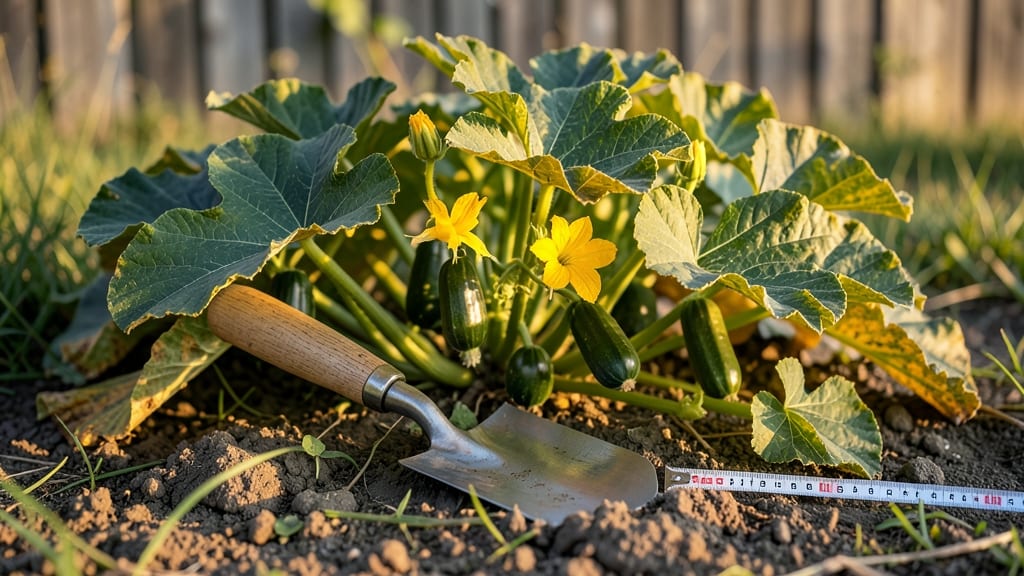
Your squash plants turning yellow could mean anything from too much water to a hungry pest lurking in the soil. 🌱 I’ve seen this happen after just one week of ignoring subtle signs—yellowing leaves often start small, then spread fast if you don’t act.
The good news? Most causes have simple fixes, and knowing the difference between nutrient deficiency, fungal issues, or even squash vine borers can save your harvest before it’s too late.
First, check the pattern: are the yellow leaves starting at the bottom or the top? Bottom leaves often mean overwatering or root rot, while top leaves might signal nutrient deficiency or stress from too much sun.
Squash vine borers leave behind sawdust-like frass near stems, and fungal diseases (like powdery mildew) create a white, powdery coating. A quick soil test or peeking under leaves can tell you exactly what’s wrong—no guesswork needed.
Once you spot the problem, the fixes are straightforward: adjust watering, apply organic fungicides, or handpick pests before they multiply. I’ve used neem oil for fungal issues and kaolin clay to deter squash bugs—both work fast and keep my garden chemical-free.
The key is catching it early, before yellow turns to brown and your plants give up entirely.
Prevention is easier than cleanup: rotate crops yearly, keep plants healthy with balanced fertilizer, and monitor for pests weekly. A little vigilance now means lush green vines and a bountiful harvest later—no more yellow surprises. Let’s get those plants back in fighting shape!
Why it happens
When your squash plants start turning yellow, it’s often a cry for help—whether from hidden pests, thirsty roots, or nutrient starvation. Understanding the why behind the discoloration is the first step to saving your harvest.
Below, we break down the most common culprits, backed by science, so you can diagnose the issue like a pro. 🌱🔍
💧 Overwatering or Poor Drainage
Squash plants thrive in well-draining soil, but when roots sit in soggy conditions, they suffocate. Overwatering or compacted soil cuts off oxygen, leading to root rot (often caused by Phytophthora or Pythium fungi). Yellowing leaves, especially on older foliage, paired with wilting or mushy stems, are red flags. Actionable fix:
- Test soil moisture by sticking your finger 2 inches deep—water only when dry.
- Amend heavy clay soil with perlite or compost to improve aeration.
- Ensure containers have drainage holes or plant on raised beds.
💡 Pro Tip: If your soil smells like rot or feels slimy, act fast—root rot spreads quickly and can kill plants in days.
🌞 Nutrient Deficiencies: What’s Missing?
Yellowing leaves often signal a lack of essential nutrients. Here’s how to decode the pattern:
| Symptom | Likely Cause | Fix |
|---|---|---|
| Yellowing older leaves (starting at the base) | Nitrogen deficiency (chlorosis) | Apply balanced fertilizer (e.g., 10-10-10) or compost. |
| Yellowing new leaves with purple stems | Phosphorus deficiency | Use bone meal or rock phosphate at planting. |
| Yellowing between veins (interveinal chlorosis) | Iron or magnesium deficiency (common in alkaline soil) | Apply chelated iron or Epsom salt (1 tbsp/gallon water). |
🔥 Warning: If yellowing is paired with stunted growth, your plants may need a soil test—pH imbalances (too high or low) block nutrient uptake.
🐛 Pests and Diseases: Silent Saboteurs
Not all yellowing is environmental—some culprits are tiny but destructive. Watch for these:
- Squash vine borers: Larvae chew through stems, causing wilting and yellowing. Look for sawdust-like frass near the base.
- Aphids or spider mites: Sap-sucking pests cause speckled yellowing and curled leaves. Check undersides of leaves.
- Powdery mildew: Fungal infection turns leaves yellow with a white, powdery coating. Thrives in humid, crowded conditions.
Actionable fixes:
- Handpick borers or use Bt (Bacillus thuringiensis) spray for larvae.
- Blast pests off with water or use neem oil (1 tsp/gallon water).
- Improve airflow by pruning and spacing plants 3–4 feet apart.
🌡️ Prevention Tip: Mulch with straw to deter pests and reduce soil-borne diseases.
☀️ Environmental Stress: Heat or Cold Shock
Squash plants are heat-loving but can’t handle extremes. Sudden temperature swings (below 50°F or above 90°F) trigger yellowing as a survival response. Heat stress causes leaves to curl and bleach, while cold damage leads to crispy, yellow edges.
Solutions:
- Provide shade cloth (30–50%) during heatwaves.
- Use row covers for early planting to protect from frost.
- Water deeply in the early morning to cool roots and reduce evaporation.
✨ Grower Hack: Plant heat-tolerant varieties like ‘Straightneck’ or ‘Butternut’ squash for better resilience.
Revive Your Squash: Step-by-Step Fixes
Yellowing squash leaves aren’t a death sentence—just a signal that your plants need a little TLC. 🌱 Let’s tackle the root causes with practical, actionable solutions. Below, we’ve mapped out how to diagnose and fix each issue, plus prevention tips to keep your squash thriving.
Symptoms: Yellowing leaves (especially lower ones), mushy stems, or wilting despite soggy soil.
How to Fix It:
- 🔥 Pause Watering Immediately
- Let the top 1–2 inches of soil dry out before watering again. Stick your finger in the soil—if it’s damp past your first knuckle, wait.
- 👨🍳 Improve Drainage
- If your pots lack drainage holes, transfer the plant to a container with them now. For in-ground squash, amend the soil with compost or perlite to loosen it up.
- ⏰ Adjust Your Watering Schedule
- Squash prefers deep, infrequent watering (1–1.5 inches per week). Water at the base in the morning to reduce fungal risks.
Prevention Tips:
- 💡 Use a moisture meter to avoid guesswork.
- 🌡️ Mulch around plants with straw or shredded leaves to retain moisture without over-saturating roots.
- ✨ Avoid watering leaves—this prevents mildew and reduces evaporation.
Symptoms: Crispy, yellowing edges on leaves, wilting, or soil pulling away from pot sides.
How to Fix It:
- 🍳 Water Deeply and Slowly
- Give your squash a slow, thorough soak until water runs out the drainage holes (for potted plants). For in-ground squash, water until the soil is 6–8 inches deep.
- 🥘 Check Soil Type
- Sandy soil drains too fast? Mix in 2–3 inches of compost or coconut coir to hold moisture longer.
- 🔪 Trim Damaged Leaves
- Snip off only the most severely yellowed or crispy leaves to redirect energy to healthy growth.
Prevention Tips:
- 💡 Water early in the day (6–9 AM) to reduce evaporation.
- 🎯 Group squash plants together to create a microclimate that retains humidity.
- 🌱 Use drip irrigation or soaker hoses to deliver water directly to roots.
Symptoms: Yellow spots with black or brown edges, powdery white fuzz (powdery mildew), or leaf drop.
How to Fix It:
- 🔥 Remove Infected Foliage
- Snip off yellowed or spotted leaves with sterilized scissors and dispose of them in the trash (not compost).
- 👨🍳 Apply Fungicide
- Neem oil spray (1 tsp neem oil + 1 tsp mild soap + 1 quart water) or baking soda spray (1 tbsp baking soda + 1 quart water + a drop of soap) every 7–10 days until symptoms fade.
- ⏰ Improve Airflow
- Space plants 3–4 feet apart and prune nearby vines or weeds blocking airflow.
Prevention Tips:
- 💡 Water only the soil, never the leaves.
- 🌡️ Space plants for maximum sunlight and airflow—fungi thrive in damp, shaded conditions.
- ✨ Rotate crops yearly to prevent soil-borne fungi from building up.
Symptoms: Uniform yellowing (chlorosis) on new leaves (nitrogen), yellow veins with green patches (magnesium), or purple stems (phosphorus).
| Deficiency | How to Fix It | Prevention Tip |
|---|---|---|
| Nitrogen (N) | Apply balanced fertilizer (10-10-10) or compost tea every 2 weeks. | Side-dress with aged manure in spring. |
| Magnesium (Mg) | Spray Epsom salt solution (1 tbsp per gallon of water) weekly for 3 weeks. | Add dolomitic lime to soil in fall. |
| Iron (Fe) | Use chelated iron supplement or fish emulsion (follow label rates). | Plant in slightly acidic soil (pH 6.0–7.0). |
Pro Tip: 💡 Test your soil ($20 kits work!) to pinpoint exact deficiencies before treating.
Symptoms: Holes in leaves, sticky residue (aphids), or chewed stems (squash vine borers).
How to Fix It:
- 🍳 Handpick or Spray
- Aphids/Whiteflies: Spray with soapy water (1 tsp mild soap + 1 quart water).
- Squash Bugs: Place yellow sticky traps near plants.
- Vine Borers: Prune infested vines and drop them in soapy water (don’t compost!).
- 🔪 Use Row Covers
- Floating row covers (lightweight fabric) block pests like cucumber beetles and squash bugs before they lay eggs.
Prevention Tips:
- 🎯 Interplant with nasturtiums or marigolds to repel pests.
- 🌱 Rotate plant families (e.g., don’t plant squash in the same spot yearly).
- ✨ Copper tape around pots deters slugs and earwigs.
Symptoms: Yellowing in hot sun (heat stress) or uneven yellowing (cold drafts).
How to Fix It:
- 👨🍳 Provide Shade Cloth
- If temps hit 90°F+, drape 30–50% shade cloth over plants for a few hours daily.
- 🥘 Mulch Thickly
- 4–6 inches of straw or wood chips keeps roots cool and moist.
- ⏰ Move Potted Plants
- If in containers, relocate to partial shade during peak afternoon sun.
Prevention Tips:
- 💡 Hardening off seedlings gradually prevents shock when moving them outdoors.
- 🌡️ Avoid late-season planting—squash needs warm soil (70°F+) to thrive.
- ✨ Black plastic mulch warms soil faster in cool climates.
Frequently asked questions about yellowing squash plants
Why are my squash leaves turning yellow from the bottom up?
This is often a sign of overwatering or root rot. When squash roots sit in soggy soil, they can't absorb oxygen, leading to yellowing on older leaves first. Check for mushy stems or a foul smell—if present, reduce watering immediately and improve drainage with compost or perlite.
Can yellow squash leaves turn green again?
It depends on the cause! If yellowing is from nutrient deficiency (like nitrogen), applying fertilizer or compost can help new growth return to green. However, if caused by disease or pests, the damaged leaves won't recover—focus on treating the root issue and pruning affected foliage.
What’s the difference between yellow leaves from overwatering vs. pests?
Overwatering causes uniform yellowing on older leaves with mushy stems, while pests like squash vine borers create uneven yellowing with holes or sawdust-like frass near stems. Check leaf undersides for tiny insects or signs of chewing.
Is Epsom salt safe for fixing yellowing squash leaves?
Yes! Epsom salt (magnesium sulfate) helps with magnesium deficiency, which causes yellowing between leaf veins. Mix 1 tablespoon per gallon of water and spray leaves weekly for 3 weeks. Avoid overusing it—too much magnesium can block other nutrients.
How do I prevent yellowing in my squash plants next season?
Rotate crops yearly, test soil pH, and use well-draining soil with compost. Mulch with straw to retain moisture without over-saturating roots, and monitor for pests weekly. Planting marigolds nearby deters squash bugs naturally.