
Pests
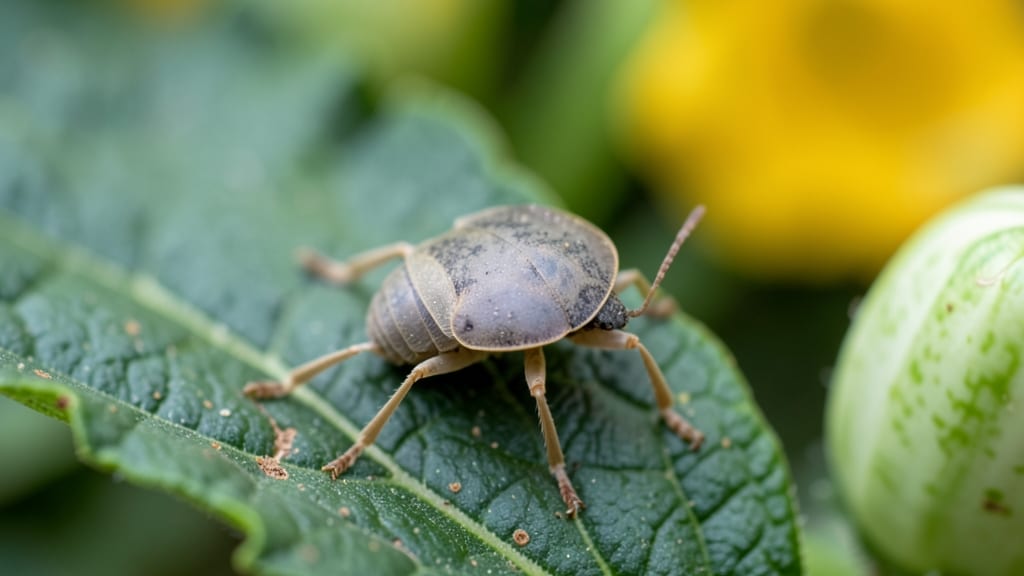
How to get rid of squash bugs naturally—neem oil spray is the secret weapon that keeps working long after you spray. 🌿 I learned this the hard way after watching my zucchini plants turn into a buffet for these flat-backed invaders—until I discovered neem. oil’s double-duty power as both repellent and killer.
The trick isn’t just spraying—it’s timing and technique. Apply neem oil when squash bugs are most active (early morning or late evening) and make sure to coat both the tops and undersides of leaves where they hide.
One treatment can repel them for up to 2 weeks, and it’s safer for beneficial insects than chemical sprays. By week 3, you’ll see fewer eggs on stems and stronger plant growth as the bugs disappear.
The plants stay healthy, the harvest improves, and you avoid the stinky, sticky mess chemical pesticides leave behind. Works for backyard gardens, raised beds, and container plants alike. Here’s exactly how to mix and apply it right.
Root Causes of Squash Bug Infestations
Squash bugs (Anasa tristis) are relentless pests that thrive in squash, pumpkin, and cucumber gardens, leaving behind skeletal vines and wilted leaves. But why do they show up in the first place?
Understanding the why behind these pests is the first step to stopping them naturally. Let’s break down the key reasons these critters invade your garden—and how they exploit your plants.
Squash bugs love dense foliage because it provides protection and humidity, two things they need to survive. When you plant squash, pumpkins, or cucumbers too closely together, you’re essentially creating a bug hotel.
- Why it happens: Overcrowded plants create shaded, moist microclimates where squash bug eggs (laid in clusters on stems) stay hidden from predators and drying winds.
- Science behind it: Squash bugs prefer Cucurbits because their broad leaves trap moisture, mimicking their natural habitat in tropical forests. Dense planting mimics this environment, making your garden a buffet.
- Actionable insight: If your plants are touching, thin them out to improve airflow. Aim for 3–4 feet between vines to disrupt their hiding spots.
Squash bugs are master survivors because they lay their eggs in egg masses (up to 30 eggs per cluster) on or near host plants. If you leave old plant debris, mulch, or fallen leaves in your garden over winter, you’re giving them a head start.
- Why it happens: Eggs can survive winter temperatures if buried in organic matter. By spring, they hatch into nymphs ready to feast.
- Science behind it: Studies show squash bug eggs can endure freezing temps down to 14°F (-10°C) if protected by leaf litter or soil. Once warm weather arrives, they hatch in 7–10 days.
- Actionable insight: Clean up thoroughly in fall—remove all plant residue, weeds, and mulch from the garden bed. Compost away from your garden to prevent reinfestation.
Squash bugs don’t randomly attack healthy plants—they target the weak. Stressed or nutrient-deficient vines emit volatile organic compounds (VOCs) that signal distress, luring pests like a dinner bell.
- Why it happens: Poor soil health, drought, or pest damage (like aphids) make plants more vulnerable. Squash bugs detect these cues and home in.
- Science behind it: Research in Journal of Chemical Ecology found that damaged plants release green leaf volatiles (GLVs), which attract squash bugs within 24 hours.
- Actionable insight:
- Water deeply 1–2 times per week (squash bugs hate drought-stressed plants).
- Use compost or balanced fertilizer (10-10-10) at planting to boost plant resilience.
- Rotate crops yearly to break pest cycles.
In a balanced ecosystem, squash bugs face dozens of predators. But if your garden lacks biodiversity, these pests take over. Without checks and balances, their populations explode.
| Natural Predators | What They Eat | How to Attract Them |
|---|---|---|
| Ground beetles | Squash bug eggs & nymphs | Leave leaf litter in some areas; plant native flowers. |
| Spined soldier bugs | Adult squash bugs | Plant dill, fennel, or yarrow nearby. |
| Parasitic wasps | Squash bug eggs | Avoid broad-spectrum pesticides; use neem oil instead. |
| Birds (e.g., robins, starlings) | Adult bugs | Install a birdbath or bird feeder. |
Why it happens: Monoculture gardens (planting only squash) starve predators of alternative food sources. Without a diverse menu, beneficial insects disappear, and squash bugs multiply unchecked.
Actionable insight: Introduce pollinator-friendly plants (like marigolds, alyssum, or basil) to support predator populations. Avoid chemical pesticides, which kill both pests and their natural enemies.
Now that you know why squash bugs invade, the next step is how to stop them—starting with natural, long-term solutions like neem oil sprays that repel for weeks. 🚫🐛
Natural Fixes for Squash Bugs
Now that you know why squash bugs invade your garden, let’s tackle them with effective, eco-friendly solutions that protect your plants without harsh chemicals. Below, we’ve mapped common causes to targeted fixes—plus prevention tips to keep these pests away for good.
Cause: Adult squash bugs lay eggs and weaken plants by feeding on sap. Fix:
- 🔥 Spot and squash adults early—check under leaves, along stems, and in leaf litter.
- 🍳 Use gloves (they secrete a foul-smelling liquid when crushed) and drop them into soapy water.
- ⏰ Best time: Early morning when bugs are sluggish.
Pro Tip: 💡 Shake plants over a bucket of soapy water to dislodge hidden bugs.
Cause: Eggs, nymphs, and adults thrive in untreated soil and plants. Fix:
- 👨🍳 Mix 1 tbsp neem oil + 1 tsp mild soap + 1 quart water in a spray bottle.
- 🥘 Spray thoroughly on leaves (top and bottom), stems, and soil—repeat every 7–10 days for 3–4 weeks.
- ✨ Why it works: Disrupts their life cycle and repels future infestations.
Pro Tip: 🌡️ Apply in early evening to avoid harming bees and beneficial insects.
Cause: Squash bugs target cucurbits (squash, pumpkins, melons) first. Fix:
- 🎯 Plant trap crops like cucumbers or zucchini away from your main garden—bugs will flock there instead.
- 🛡️ Use floating row covers (lightweight fabric) over young plants to block adults while allowing pollination.
- 🔪 Remove trap crops when heavily infested and dispose of them (don’t compost!).
Pro Tip: ✨ Combine with neem oil for extra protection on trap crops.
Cause: Tiny eggs and nymphs hide in soil and under leaves, making them hard to spot. Fix:
- 🔥 Sprinkle food-grade DE lightly around plant bases, under leaves, and in cracks in soil.
- 💧 Avoid watering immediately—DE needs to stay dry to work (it dehydrates bugs).
- ⏰ Reapply after rain or every 5–7 days.
Pro Tip: 🌡️ Wear a mask when applying—DE is safe but can be dusty!
Cause: Squash bugs return yearly if conditions are ideal (warm soil, mulch, nearby host plants). Fix:
- 🌱 Rotate crops—avoid planting squash, pumpkins, or melons in the same spot for 3 years.
- 🪴 Remove plant debris in fall (bugs overwinter in old vines and leaves).
- 🌿 Mulch with straw (not wood chips)—it dries faster and discourages egg-laying.
- 🛡️ Plant companion plants like marigolds, basil, or nasturtiums to repel pests naturally.
Pro Tip: 🎯 Monitor plants weekly—early action prevents outbreaks!
Final Note: Consistency is key! Squash bugs are persistent, but combining neem oil, handpicking, and prevention will keep your garden thriving—naturally. 🌱💪
Frequently asked questions
How do I identify squash bug eggs vs. other garden pests?
Squash bug eggs appear as flattened, oval clusters (up to 30 eggs) on the undersides of leaves or along stems. They’re yellowish-brown and resemble tiny footballs. Compare them to aphid eggs (smaller, round) or spider mite eggs (tiny and white). Check stems for these clusters—if you see them, act fast!
Will neem oil harm my squash plants if I use it too often?
Neem oil is safe for squash plants when used correctly, but never apply more than once every 7–10 days. Overuse can stress plants, especially in hot weather. Always mix it with 1 tsp mild soap per quart of solution to help it stick to leaves. Stop spraying if you see leaf yellowing or wilting.
What’s the fastest way to stop a severe squash bug infestation?
Combine 3 methods immediately:
- Handpick adults (drop into soapy water)
- Apply neem oil spray (repeat every 5 days)
- Use food-grade diatomaceous earth around plant bases For container plants, isolate them and treat soil too. Severe cases may need row covers until bugs decline.
Can I use garlic spray instead of neem oil?
Yes! Blend 4 garlic cloves + 1 quart water, strain, and add 1 tsp mild soap. Spray on leaves (test on a small area first). Garlic spray repels squash bugs but works best as a preventive measure—neem oil is more effective for existing infestations. Reapply every 3–4 days.
Why do squash bugs keep coming back even after I treat them?
They likely overwintered in your garden! Check for hidden eggs in soil or plant debris—remove all old vines and mulch in fall. Also, squash bugs thrive in dense foliage, so thin plants for better airflow. Consistency is key: treat every 7–10 days until harvest.