
Neem Oil
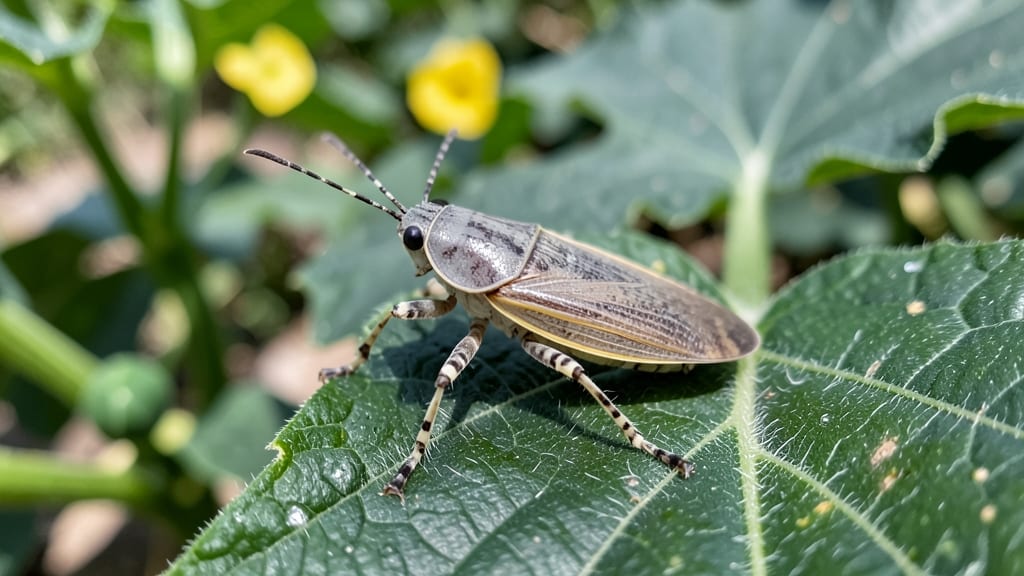
Squash bugs are the sneakiest garden pests, but neem oil spray can smother them in hours—no harsh chemicals needed. 🌿 I learned the hard way that waiting too long means watching your zucchini plants turn into skeleton leaves.
The secret is timing: apply neem when bugs are active but before they’ve laid eggs. Neem oil works by disrupting their feeding and breeding cycles, creating a protective barrier on leaves.
Mix 1 tablespoon neem oil + 1 teaspoon mild soap per quart of water, spray thoroughly (especially undersides), and reapply every 5-7 days during outbreaks. The key? Consistency—neem isn’t a quick fix, but it’s the safest way to protect your squash family.
You’ll see results within 24-48 hours: fewer eggs, no new adults, and plants that start recovering. Pair it with hand-picking adults (drop them in soapy water) and row covers for extra defense. The best part? Your harvest stays chemical-free. Works for all squash varieties—zucchini, pumpkins, even cucumbers.
Just avoid spraying in direct sun or high heat, and always test a small leaf first. Let’s get those bugs under control!
Root Causes of Squash Bug Infestations
Squash bugs—those shield-shaped pests that wreak havoc on cucurbits—don’t just appear out of nowhere. Their arrival is a mix of environmental cues, plant vulnerabilities, and even human habits.
Understanding these triggers helps you break the cycle and protect your garden before they strike. Here’s why these pests target your squash, pumpkins, and melons with such precision.
Squash bugs are opportunistic feeders, and stressed plants are their favorite buffet. When your cucurbit crops are weakened, they emit chemical signals (volatile organic compounds, or VOCs) that act like a dinner bell to hungry adults and nymphs. Here’s what makes your plants vulnerable:
- Nutrient Deficiencies 📊
- A lack of nitrogen, potassium, or magnesium weakens plant cell walls, making them easier to pierce.
- Actionable fix: Test soil pH (ideal: 6.0–6.8) and amend with compost or balanced organic fertilizer (e.g., 5-5-5).
- Overwatering or Drought Stress 💦
- Soggy soil promotes fungal diseases (like powdery mildew), which squash bugs exploit.
- Dry, cracked soil reduces plant resilience, making them more attractive to pests.
- Actionable fix: Water deeply 1–2 inches per week (check with a trowel) and mulch to retain moisture.
- Physical Damage from Harvesting or Weeding ⚠️
- Rough handling (e.g., bruised vines) triggers stress responses, releasing pheromone-like signals.
- Actionable fix: Handle plants gently; use pruners for harvesting to avoid tearing tissue.
Squash bugs thrive in stable, humid environments—think mulched beds, dense foliage, or low-lying areas where soil retains heat. These pests are cold-blooded, meaning they seek warmth to speed up their life cycle (egg to adult in ~30 days). Here’s how your garden might be unknowingly hosting them:
- Mulch Piles or Debris 🗑️
- Leaves, old vines, or thick mulch create hibernation havens for overwintering adults (they emerge in spring to lay eggs).
- Actionable fix: Clear garden beds in fall and remove plant debris; opt for straw mulch (lighter than wood chips) to allow airflow.
- Poor Air Circulation 🌬️
- Crowded plants (e.g., over-planted squash hills) trap moisture, creating a bug-friendly sauna.
- Actionable fix: Space vines 3–4 feet apart and prune to improve airflow.
- South-Facing Beds or Greenhouses ☀️
- Squash bugs favor sun-warmed soil (ideal egg-laying temp: 70–85°F).
- Actionable fix: Use floating row covers early in the season to block adults before they lay eggs.
Squash bugs have a synchronized attack strategy: adults lay eggs in late spring/early summer, timing their hatch with new vine growth. Here’s how their biology works against you:
- Egg-Laying Triggers 🥚
- Females target young, tender leaves (rich in sugars) and lay 20–30 eggs in clusters on the undersides.
- Pro tip: Inspect leaves daily for tan, barrel-shaped eggs (size: ~1/16 inch). Scrape them off with a fingernail or soapy water.
- Nymphs Are Stealthy 🦋
- Newly hatched nymphs (called "buglets") mimic bird droppings (black with orange legs) to avoid predators.
- Actionable fix: Knock them into soapy water with a forceful spray (neem oil works here—see next section!).
- Adults Migrate from Wild Hosts 🌿
- Squash bugs often hitchhike from nearby weeds (e.g., morning glories, smartweed) or abandoned garden patches.
- Actionable fix: Remove weed hosts within 50 feet of your crops.
Even the best gardeners can unintentionally create squash bug magnets. Common mistakes include:
- Planting Too Late ⏳
- Starting squash after the last frost (when soil is still cool) delays growth, making plants prime targets for early-season bugs.
- Fix: Use row covers until soil reaches 60°F and plants are established.
- Ignoring Early Signs 🚨
- Wilting, yellowing leaves or black fecal spots are red flags—but many gardeners mistake them for disease.
- Fix: Flip leaves to check for eggs or adults before symptoms worsen.
- Over-Reliance on Chemical Pesticides 🧪
- Broad-spectrum sprays (e.g., pyrethroids) kill natural predators (ladybugs, lacewings), leaving squash bugs unchecked.
- Fix: Rotate with neem oil or kaolin clay to disrupt their life cycle without harming allies.
Squash bugs are most aggressive in warm, humid climates (e.g., Southeast U.S., Midwest), but they’re spreading northward due to milder winters. Key regional risks:
- Short Winters ❄️
- In zones 6–9, adults survive winter in mulch or leaf litter, emerging earlier each year.
- Fix: Solarize soil in fall (cover with clear plastic for 4–6 weeks to heat-kill pests).
- Heavy Rainfall 🌧️
- Prolonged dampness softens plant tissue, making it easier for bugs to pierce and feed.
- Fix: Improve drainage with raised beds or sand amendments.
- Urban Gardens Near Wild Areas 🏙️
- Bugs migrate from abandoned lots, ditches, or farm edges into residential plots.
- Fix: Create a 10-foot "bug barrier" of neem-treated plants (e.g., marigolds, basil) around your garden.
Natural Remedies for Squash Bug Control
Squash bugs are stubborn pests, but with the right approach, you can reclaim your garden—naturally. Below are targeted solutions, from immediate fixes to long-term prevention, using neem oil and other organic methods.
🔥 Handpick & Destroy
Squash bugs hide under leaves and vines. Act fast to prevent an infestation:
- Morning is best—bugs are sluggish after cool nights.
- Use a cardboard or stiff paper to gently scrape them off plants.
- Drop them into soapy water (1 tbsp dish soap per gallon) to kill them instantly.
- Pro tip: 💡 Check the undersides of leaves and along stems—they love tight spaces!
🍳 Neem Oil Spray (The Game-Changer)
Neem oil disrupts squash bugs’ life cycle by:
- Smothering adults (coats their exoskeleton).
- Repelling eggs (prevents new hatchlings).
- Disrupting feeding (makes plants less appealing).
How to Apply:
- Mix: 1 tbsp neem oil + 1 tsp mild soap (like Castile) + 1 quart water.
- Shake well—neem oil separates.
- Spray thoroughly (top and bottom of leaves, stems, and soil).
- Reapply every 5–7 days or after rain.
⚠️ Warning: Avoid spraying in direct sunlight (can burn plants). Do it early morning or late evening.
👨🍳 Cultural Controls (Break Their Cycle) Squash bugs thrive in dense, weedy gardens.
Disrupt their habitat: - Rotate crops—don’t plant squash, pumpkins, or cucumbers in the same spot yearly. - Remove garden debris (old vines, leaves) where eggs overwinter. - Mulch with straw—keeps soil moist but deters egg-laying. - Plant companion crops like nasturtiums (they repel squash bugs).
🌡️ Trap Crops & Barriers
- Sacrificial plants: Grow radishes or turnips nearby—bugs prefer these over your squash.
- Row covers: Use floating fabric early in the season to block adults before they lay eggs.
- Diatomaceous earth (DE): Sprinkle lightly around plant bases (kills crawling bugs but must stay dry).
🎯 Biological Allies
- Beneficial nematodes (Steinernema carpocapsae) attack squash bug eggs in soil.
- Ladybugs & lacewings eat young nymphs—attract them with dill or fennel.
- Chickens or ducks: If you have poultry, let them forage in the garden (they love squash bugs!).
If infestation is severe:
- Pyrethrin spray (organic insecticide from chrysanthemums)—use sparingly (kills beneficial insects too).
- Kaolin clay (creates a barrier that bugs hate—spray on leaves).
- Repeat neem applications (consistency is key!).
Final Pro Tip: 🌟 Monitor weekly—check for eggs (tiny, football-shaped) and act before they hatch!
With these methods, your squash plants will stay bug-free, healthy, and thriving—no chemicals needed. 🚜🌿
Frequently asked questions
How often should I apply neem oil to control squash bugs?
Apply neem oil spray every 5-7 days during active infestations or after heavy rain. Consistency is key—neem disrupts their life cycle, but it wears off. For prevention, a weekly application during peak squash bug season (late spring to summer) works well. Always spray in the early morning or evening to avoid plant burn from sunlight.
Can I use neem oil on squash fruits that are ready to harvest?
Neem oil is safe for edible plants, but avoid spraying directly on ripe fruits within 24 hours of harvest. The oil leaves a residue that may affect taste. For fruits ready to pick, focus on leaves and stems. If you must treat mature plants, harvest fruits first, then spray, and wait 1-2 days before eating them.
Will neem oil kill squash bug eggs?
Neem oil doesn't kill existing eggs but prevents new ones from hatching and repels adult squash bugs from laying more. To tackle eggs, manually scrape them off leaves with a fingernail or soapy water. Combine neem with daily inspections—check undersides of leaves for tan, barrel-shaped eggs (about 1/16 inch long).
Can I mix neem oil with other organic pesticides?
Yes, but test small areas first. Neem works well with kaolin clay or insecticidal soap for enhanced protection. Avoid mixing with garlic or chili sprays—the acidity can reduce neem's effectiveness. For severe infestations, alternate neem with pyrethrin (derived from chrysanthemums), but use sparingly to protect beneficial insects.
What if squash bugs return after using neem oil?
Persistent squash bugs often mean eggs survived in soil or mulch. Rotate methods: handpick adults, use diatomaceous earth around plant bases, or introduce beneficial nematodes to target eggs. Also check for hidden overwintering sites—remove garden debris and solarize soil in fall to break their life cycle. Consistency is critical!