
How To
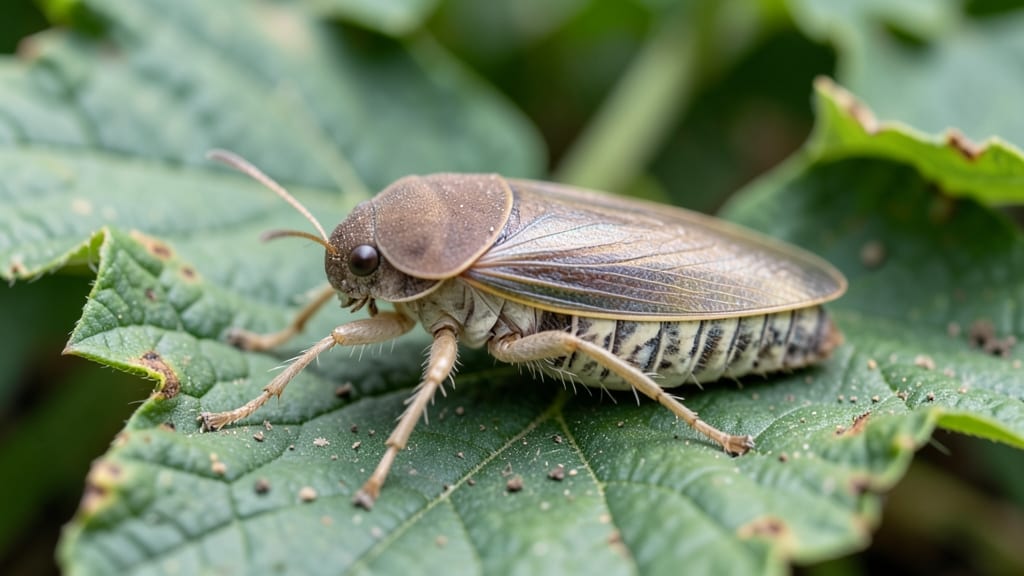
Squash bugs in your soil can turn a thriving garden into a battle zone faster than you can say "zucchini blight." ✨ I’ve lost entire harvests to these shield-backed pests, but I’ve also learned the organic spray that knocks them out in 24 hours—no harsh chemicals needed.
The secret lies in understanding their lifecycle and hitting them at the right time. These little devils hide in soil cracks and under mulch, waiting to suck the life out of your squash vines.
Most sprays fail because they target only the adults, but this method tackles eggs, nymphs, and full-grown bugs. You’ll know it’s working when you see fewer slime trails on leaves and more vigorous growth within a week.
What you’ll end up with is a garden where squash plants grow strong, produce heavy yields, and stay pest-free without harming pollinators. The spray is simple to mix, safe for kids and pets once dry, and works even on established infestations.
Works for all squash varieties—zucchini, pumpkins, cucumbers—and fits into a 5-minute morning routine. Here’s the exact formula that saved my garden last summer.
Root Causes of Squash Bugs
Squash bugs—those pesky, shield-shaped pests—don’t just appear out of nowhere in your soil. Their presence is usually a sign of underlying conditions that create the perfect environment for them to thrive.
Understanding these causes is the first step to preventing and eliminating them. Let’s break down why these bugs invade your garden in the first place.
Squash bugs love moist, well-drained soil with plenty of organic matter, especially if it’s rich in decaying plant material. Here’s why:
- Excess Moisture: These bugs thrive in damp soil because it provides the ideal hiding spot for their eggs and larvae.
Overwatering or poor drainage creates the perfect breeding ground. 💧 - Decaying Organic Matter: Compost, mulch, or rotting plant debris attract squash bugs because they feed on the microbes and fungi breaking down the material.
If your soil is overly rich in decomposing plant life, you’re essentially rolling out the welcome mat. - Compacted Soil: Squash bugs prefer soil that’s easy for them to burrow into. Compacted or heavy clay soil can trap moisture and create microclimates that these pests adore.
Actionable Tip: 💡 Improve soil aeration by adding perlite or coarse sand, and avoid over-mulching near squash plants.
Squash bugs are particularly drawn to plants in the Cucurbita family, which includes:
- Squash, Pumpkins, and Zucchini: These are their favorite meals.
The sap from these plants is a nutritional goldmine for them. - Cucumbers and Melons: While not their primary targets, these plants can also attract squash bugs, especially if nearby squash plants are present. - Weeds Like Buffalo Gourd: These act as alternative hosts and can spread squash bugs to your garden if left unchecked.
Why It Matters: If you’re growing these plants, squash bugs will see them as an all-you-can-eat buffet. 🍽️
Squash bugs have a two-year life cycle, which means they can persist in your soil even after you’ve removed the adults:
- Overwintering Eggs: In fall, female squash bugs lay eggs in the soil near host plants.
These eggs can survive winter and hatch in spring, giving you a fresh infestation every year if not controlled. - Adult Survival: Some adult squash bugs can live through mild winters by burrowing into leaf litter or soil, only to re-emerge when conditions warm up. - Larval Feeding: Once hatched, larvae feed aggressively on plant roots and stems, weakening plants before the adults even arrive.
Key Insight: 🔍 If you’ve had squash bugs before, assume their eggs are already in your soil—don’t wait for them to show up!
Believe it or not, the weather plays a huge role in squash bug populations:
- Warm, Humid Conditions: Squash bugs thrive in temperatures between 70–85°F (21–29°C) with high humidity.
If your growing season is consistently warm and moist, expect more of these pests. - Drought Followed by Rain: A dry spell followed by sudden heavy rain can trigger squash bug activity, as they seek out moisture to lay eggs. - Lack of Freezing Temperatures: In colder climates, a hard freeze can kill overwintering eggs.
But if winters are mild, squash bugs can survive and multiply unchecked.
Pro Tip: ✨ Monitor weather patterns in your area—peak squash bug activity often aligns with heatwaves and humidity spikes.
Sometimes, well-meaning gardening practices can accidentally invite squash bugs:
- Over-Fertilizing: Too much nitrogen-rich fertilizer can make plants more attractive to squash bugs, as the lush growth provides more sap for them to feed on.
- Poor Garden Hygiene: Leaving plant debris, fallen leaves, or old squash vines in the soil gives squash bugs a place to hide and lay eggs.
- Planting Squash Too Early: If you plant squash before the last frost, the bugs may emerge earlier than expected, catching you off guard.
Avoid This: 🚫 Clear out garden waste promptly and rotate crops to disrupt their life cycle.
How to Fix Squash Bug Infestations
Squash bugs are stubborn pests, but with the right approach, you can reclaim your garden soil and plants in no time. Below, we’ve mapped out practical, organic solutions tailored to the root causes of infestations—from manual removal to soil treatments and long-term prevention.
Each method is designed to be effective, easy, and eco-friendly, so you can tackle the problem without harsh chemicals.
If you’ve spotted squash bugs (or their eggs) on leaves or soil, physical removal is your fastest win. These pests are slow-moving, making them easy targets.
🍳 Step-by-Step Squash Bug Hunt
- Morning Patrol 🌅 - Squash bugs are sluggish in cool mornings.
Inspect plants (especially squash, pumpkin, and melon leaves) for adult bugs, nymphs, or clusters of eggs (tiny, football-shaped, and yellowish). - Use a magnifying glass for egg spots—early detection = fewer bugs later.
- Drop Them in Soapy Water 🧼 - Pluck bugs into a bucket of soapy water (1 tbsp dish soap per gallon).
The soap breaks down their protective outer layer, killing them instantly. - For nymphs (smaller, grayish bugs), use fine-tip tweezers to avoid squishing them (they release a foul odor when crushed).
- Shake Them Off 🌬️
- Hold infested leaves over a tray or newspaper and gently shake. Bugs will fall into the container—dispose of them far from your garden.
- Scrape Eggs Off 🔪
- Eggs are glued to leaf undersides. Use a plastic scraper or credit card to carefully remove them. Drop eggs into soapy water or crush them underfoot (away from plants).
✨ Pro Tip: Repeat this process every 2–3 days for 2 weeks to break their life cycle. Consistency is key!
Squash bugs thrive in moist, organic-rich soil, so modifying their habitat can weaken their grip on your garden.
💡 Organic Soil Amendments
| Problem | Solution | How to Apply |
|---|---|---|
| Compacted, waterlogged soil | Add coarse sand or perlite | Mix 1 cup per square foot into top 6 inches of soil. Improves drainage. |
| Excess mulch buildup | Replace with straw or shredded leaves | Avoid thick layers near plant stems. |
| Weedy garden beds | Hand-pull weeds (bugs hide in them) | Remove weeds before they go to seed. |
🌡️ Heat & Mulch Tricks
- Solarization ☀️
- Cover infested soil with clear plastic sheeting for 4–6 weeks in hot sun. Trapped heat kills eggs and larvae.
- Diatomaceous Earth (DE) 🏖️
- Sprinkle food-grade DE around plant bases and soil cracks.
It dehydrates bugs but must stay dry—reapply after rain. - Reflective Mulch 🔄 - Use silver or aluminum mulch around plants. The glare disorients bugs and deters egg-laying.
For a 24-hour solution, these sprays disrupt squash bugs’ feeding and reproduction cycles.
🍎 Homemade Spray Recipes 1. Neem Oil Spray 🌿
- Ingredients: 1 tbsp neem oil + 1 tsp mild soap + 1 quart water.
- How to Use: Spray directly on bugs and soil at dusk (avoid direct sun—it burns plants).
Reapply every 5–7 days. - Why It Works: Disrupts their feeding and repels future eggs.
- Garlic & Chili Pepper Spray 🌶️
- Ingredients: 2 cloves garlic + 1 tbsp cayenne pepper + 1 quart water. Steep overnight, strain, and add 1 tsp soap.
- How to Use: Spray on leaves and soil. The pungent smell confuses bugs and deters laying eggs.
- Beauveria Bassiana (Fungal Spray) 🍄
- A natural fungus that infects and kills squash bugs. Follow label instructions for mixing and spraying.
⚠️ Safety Note: Always test sprays on a small plant area first. Avoid spraying in direct sunlight or when bees are active.
The best defense is a proactive garden. Implement these habits to minimize future infestations:
- 🌱 Rotate Crops 🔄
- Squash bugs target the same family (cucurbits). Rotate with non-host plants (like beans or tomatoes) yearly.
- 🌿 Plant Companion Plants 🌱
- Nasturtiums, marigolds, or radishes repel squash bugs with their strong scents. Plant them around your squash patch.
- 🕳️ Trap Crops 🎣
- Grow a small patch of bush beans nearby. Bugs will flock to them—remove and destroy them weekly.
- 🧹 Clean Up Debris 🧹
- Remove old vines, leaves, and weeds after harvest. Bugs overwinter in garden trash!
- 🐞 Encourage Beneficial Insects 🐞
- Ground beetles, spined soldier bugs, and parasitic wasps eat squash bug eggs. Attract them with diverse plantings and water sources.
If your garden is heavily infested (dozens of bugs, wilting plants), combine methods:
- Manual removal (morning + evening).
- Neem oil spray (evening).
- Diatomaceous earth (soil cracks).
- Trap crops (distract bugs).
- Solarization (for stubborn soil eggs).
💡 Final Tip: Keep a garden journal to track squash bug activity. Note when they appear, which plants they target, and what worked (or didn’t). Over time, you’ll predict and prevent outbreaks like a pro!
Frequently asked questions
Why do squash bugs hide in soil cracks instead of on leaves?
Squash bugs seek soil cracks because it provides moisture, protection, and cooler temperatures—perfect for their eggs and nymphs. The soil also offers easy access to plant roots, which they feed on. Adults hide underground during hot days or when disturbed, emerging at night to feed on leaves.
How long does it take for neem oil to kill squash bugs?
Neem oil doesn’t kill squash bugs instantly—it disrupts their feeding and reproduction over time. Within 24–48 hours, you’ll see fewer bugs on leaves, but repeat applications every 5–7 days for full control. It works best when sprayed directly on bugs and soil cracks.
Can I use diatomaceous earth on squash plants?
Yes, but only food-grade diatomaceous earth (DE) is safe for plants. Sprinkle it lightly around soil cracks and plant bases—it dehydrates bugs by damaging their exoskeletons. Just remember to reapply after rain and avoid over-applying, as it can harm beneficial soil organisms if overused.
What’s the best time of day to check for squash bugs?
Early morning (before 8 AM) is ideal because squash bugs are sluggish and easier to spot. They hide under leaves or in soil during the day, so checking then helps you catch them before they start feeding. Avoid midday heat, as bugs will retreat to cooler spots.
Will squash bugs come back next year if I eliminate them now?
Unfortunately, yes—squash bugs lay overwintering eggs in soil that can survive until spring. To prevent recurrence, combine manual removal, soil treatments (like solarization), and crop rotation. Even with treatment, monitor plants closely in early spring for new hatchlings.