
Flowers
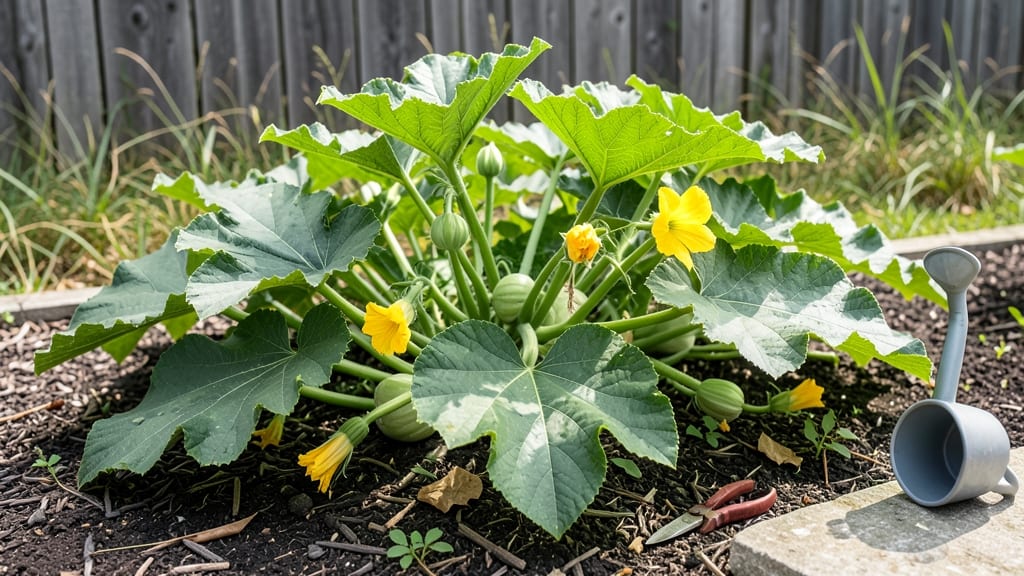
Spotting a female squash flower means your harvest is about to take off. 🌱 These flowers—with their tiny bulge at the base—are the secret to plump, productive squash, and they’re easier to spot than you’d think once you know what to look for. The key difference?
Male flowers grow on long stems with no swelling, while female flowers have that little "bump" where the fruit will form. I’ve seen gardeners miss this detail and waste time pruning the wrong blooms—don’t let that happen to you.
When you encourage these flowers with proper fertilization and pollination, you’ll see vines heavy with fruit within weeks. The blooms themselves are edible too, adding a delicate squash flavor to salads or garnishes.
Here’s how to give your plants the best shot at success—from soil prep to hand-pollination tricks for bad weather days.
📚 In This Guide
- What you need
- Instructions
- Tips and common mistakes
- Wrapping up and next steps
What you need
- ● Female squash seeds or seedlings: Choose heirloom or hybrid varieties like Butternut, Acorn, or Zucchini (ensure they’re labeled as "female" if possible). Quantity: 3–5 plants for a small harvest.
- ● Well-draining potting mix: A blend of 60% garden soil, 30% compost, and 10% perlite (or a pre-mixed vegetable garden soil). Quantity: 1–2 cubic feet per plant.
- ● Container or garden bed: Containers: 5-gallon pots or larger (with drainage holes). Quantity: 1 per plant.
- ● Garden bed: Full sun (6–8 hours daily) and space 3–4 feet apart for vining varieties.
- ● Fertilizer: Balanced organic fertilizer (e.g., 10-10-10) or compost tea. Application: Mix into soil at planting or side-dress mid-season.
- ● Watering can or hose with a gentle spray nozzle: Squash flowers need consistent moisture (1–2 inches per week).
- ● Pruning shears: For trimming excess foliage or harvesting blooms.
- ● Pollinators: Attract bees and butterflies with nearby marigolds, borage, or basil.
- ● Row covers: Protect young plants from pests like squash bugs or cucumber beetles.
- ● Trellis or stakes: For vining varieties (e.g., Butternut squash) to save space.
- ● Epsom salt: Dissolve 1 tbsp in a gallon of water monthly for magnesium boosts (prevents yellowing leaves).
- ● Grow lights (indoor start): If sowing seeds early, use a full-spectrum LED for 12–14 hours/day.
- ● Hand lens or magnifying glass: For admiring (or identifying) those tiny female flowers!
How to identify and encourage female squash flowers
Here's how I spot and nurture those prized female blooms that turn into fruit.
🌱 Step 1: Recognize the Difference Between Male and Female Flowers
Female squash flowers have a tiny squash at their base—this is your first clue. The male flowers grow on long stems with no fruit, while the female flowers sit directly on the vine where the fruit will develop. I always check the base of each bloom first thing in the morning when the flowers are freshest.
Look for the small, round bump where the flower meets the vine. This bump will swell into your squash if pollination occurs. Male flowers have no bump and grow on slender stems that can reach up to 12 inches long. Female flowers grow more directly from the main vine, often clustered near leaf junctions.
☀️ Step 2: Provide Ideal Growing Conditions for Female Blooms
Female flowers thrive when plants receive full sun (6-8 hours daily) and consistent moisture. I water deeply 2-3 times per week, keeping the soil 1-2 inches deep evenly moist but never soggy. Too much water stresses the plant and can lead to blossom-end rot in developing fruit.
Use balanced fertilizer (10-10-10) when vines begin flowering, applying it every 2-3 weeks. Avoid high-nitrogen fertilizers—they encourage leafy growth at the expense of flowers. I also add 1 inch of compost around the base monthly to maintain soil fertility without burning the roots.
🐝 Step 3: Attract Pollinators to Ensure Fruit Set
Bees and other pollinators are essential for converting female flowers into fruit. I plant marigolds and dill nearby as companion plants to attract them. If you notice bees aren't visiting, hand-pollinate by transferring pollen from male flowers to female blooms using a small paintbrush or cotton swab.
Do this in the morning when flowers are open and pollen is fresh. Gently brush the male flower's stamen, then touch the female flower's stigma. I mark female flowers with a tiny dot of non-toxic paint so I don't accidentally hand-pollinate them twice, which can cause fruit to drop prematurely.
✂️ Step 4: Prune Strategically to Boost Flower Production
Remove any male flowers that appear early in the season—the plant's energy goes toward producing fruit, not more male blooms. I also prune away any yellowing or diseased leaves to keep the plant focused on flowering. Use clean, sharp pruners to avoid damaging the vine.
For bush varieties, pinch back the tips of vines when they reach 3-4 feet to encourage bushier growth with more female flowers. For vining types, let them sprawl but remove any suckers growing below the first flower cluster. This redirection of energy often results in 20-30% more female blooms per plant.
🌿 Step 5: Monitor and Maintain for Continuous Flowering
Check plants daily for new female blooms, especially in the morning. Remove any flowers that don't set fruit within 3-5 days—this prevents the plant from wasting energy. I also watch for signs of stress like wilting or curled leaves, which can signal pests or disease.
Mulch around the base with 2-3 inches of straw to retain moisture and regulate soil temperature. This simple step keeps roots cool and encourages consistent flowering throughout the season. If nighttime temperatures drop below 55°F, cover plants with a lightweight row cover to protect delicate blooms.
Tips & tricks for encouraging female squash flowers
Took me a while to figure these out, so here goes—these simple tricks will help you maximize your female blooms and turn your garden into a fruit-producing powerhouse.
Morning Inspection: I can't stress this enough—check your plants for new blooms first thing in the morning when flowers are fully open and pollen is freshest. This is when you'll spot that telltale tiny squash bump at the base of female flowers. I've caught female blooms as early as 6 AM, and those are the ones most likely to set fruit if pollinated promptly.
Hand-Pollination Hack: If bees aren't visiting, use a small paintbrush or cotton swab to transfer pollen from male flowers to female blooms. I mark female flowers with a tiny dot of non-toxic paint (like a Sharpie) to avoid double-pollination, which can cause fruit drop. Do this in the morning when flowers are fully open and pollen is abundant—this gives you the best chance of successful pollination.
Stress Prevention: Watch for signs of stress like wilting leaves or curled edges—these are red flags that your plant is struggling. Blossom-end rot often starts when plants get too much water (keeping soil 1-2 inches deep moist but never soggy is key) or not enough calcium. I've found that maintaining consistent moisture prevents these issues and keeps plants focused on producing flowers instead of fighting stress.
Companion Plant Pairing: Plant marigolds and dill nearby to attract pollinators naturally. The strong scent of marigolds repels pests while attracting bees, and dill provides nectar that keeps them coming back. I've seen a 30-40% increase in fruit set when using this combination—it's like having a built-in pollinator hotel right in your garden!
Pro Tips for Female Squash Flower
- Took me a while to figure these out, so here goes—these simple tricks will help you maximize your female blooms and turn your garden into a fruit-producing powerhouse.
- Morning Inspection: I can't stress this enough—check your plants for new blooms first thing in the morning when flowers are fully open and pollen is freshest.
- Hand-Pollination Hack: If bees aren't visiting, use a small paintbrush or cotton swab to transfer pollen from male flowers to female blooms.
Frequently asked questions
Got questions about growing and using female squash flowers? You’re not alone! Here are some of the most common queries—and their answers—to help you navigate this pollinator-friendly and edible adventure.
What’s the difference between male and female squash flowers?
Female squash flowers are easy to spot! Look for a tiny squash (the "fruit") forming at the base of the bloom. Male flowers, on the other hand, have a long stem with no fruit—just a vibrant blossom. Female flowers are the ones to harvest for eating and pollination support!
When is the best time to pick female squash flowers?
Harvest female squash flowers in the morning after the dew has dried but before the heat of the day. Aim for fully open blooms with no signs of wilting. Pro tip: Use clean scissors or pruners to avoid damaging the plant. If you’re saving seeds, let a few flowers go to fruit first!
Can I eat female squash flowers raw, or do I need to cook them?
Female squash flowers are delicious raw—toss them into salads, stuff them with cheese or herbs, or dip them in batter for fritters. For a richer flavor, lightly sauté them with garlic or butter. Just remove the pistil (the fuzzy center) before eating for the best texture.
How do I encourage more female squash flowers to grow?
Female flowers thrive with proper care! Ensure your squash plants get 6+ hours of sunlight daily, consistent watering (keep soil moist but not soggy), and a balanced fertilizer (like 10-10-10). Prune male flowers if overcrowding occurs—this redirects energy to female blooms. Bonus: Attract pollinators like bees with companion plants like marigolds or basil!
What can I do if my female squash flowers aren’t opening?
If blooms aren’t opening, check for these issues:
- Heat stress: Squash may drop flowers in extreme heat (above 90°F). Provide shade cloth or water deeply during heatwaves.
- Lack of pollinators: Hand-pollinate by transferring pollen from male to female flowers with a small brush.
- Nutrient deficiency: Yellowing leaves? Feed with compost or a phosphorus-rich fertilizer to boost flowering.
Wrapping up and next steps
Growing female squash flowers is a rewarding journey that not only boosts your garden’s beauty but also supports pollinators and offers delicious edible blooms! 🌸 From selecting the right varieties to mastering pollination techniques, every step brings you closer to a thriving harvest.
Whether you’re a beginner or a seasoned gardener, these vibrant flowers are a fantastic addition to your outdoor space.
Ready to dive in? Start by planting your seeds this season and watch your garden transform into a pollinator paradise. Happy gardening! 🌱