
How To
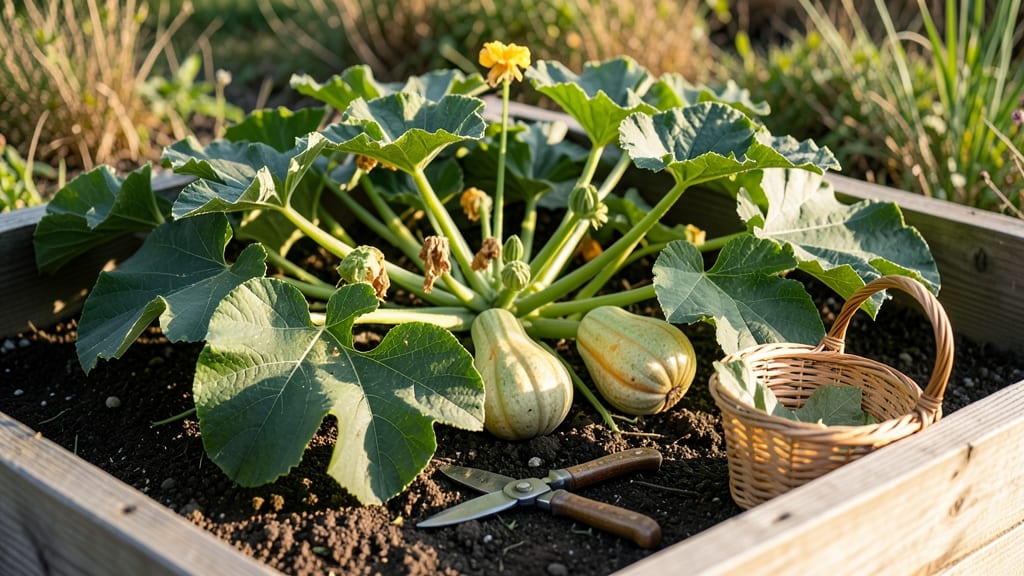
Knowing when acorn squash 🎃 is ready to pick comes down to three simple but critical cues that most gardeners overlook.
If you’ve ever sliced into a squash only to find it still hard and bland, you’re not alone. The difference between a sweet, flavorful harvest and a tough, watery disappointment often comes down to timing. Missing these signs can mean wasting weeks of growth—and your patience.
In this guide, I’ll walk you through the visual, tactile, and even environmental clues that tell you it’s time to harvest. We’ll also cover the common mistakes that lead to early or late picking, so you can avoid them in your own garden.
By the end, you’ll know exactly when to reach for that acorn squash 🎃—and how to store it properly once you’ve got it. Let’s get started.
3 Visual signs your acorn squash is ready for harvest
Timing your acorn squash harvest perfectly ensures sweet, flavorful fruit instead of tough, watery disappointment. Many gardeners miss the subtle visual cues that signal readiness—don't let that be you! These three key indicators will help you pick at peak ripeness every time.
First, pay attention to the skin color of your acorn squash. When ripe, the hard green rind transforms into a dull orange or tan hue. This color shift happens gradually, so check your squash regularly as it matures. The dullness is your cue—bright colors mean it's not ready yet.
Next, examine the stem where the squash connects to the vine. A ripe acorn squash will have a dry, shriveled stem that feels papery to the touch.
If the stem is still green and flexible, your squash needs more time on the vine. This change often happens just days before full ripeness.
Finally, test the weight and firmness of the squash. A fully ripe acorn squash feels heavy for its size and has a solid, slightly hard rind. Gently press the skin—it should give slightly but not feel soft or mushy. Lightweight squash with soft spots means it's overripe or diseased.
Dull orange-tan skin
Look for matte, not shiny rind—this means sugars have fully developed inside.
Dry, shriveled stem
The stem should pull away easily—if it's still green, wait 3-5 more days.
Heavy weight for size
Lift the squash—ripe ones feel dense like a small pumpkin, not hollow.
Pro tip: Compare your squash to store-bought examples—most grocery acorn squash are harvested at peak ripeness. If yours looks duller and heavier than what you've seen, it's likely ready. Remember, frost can ruin your crop, so harvest before temperatures drop below 40°F.
One common mistake is waiting until the vine completely dies back. While this can happen, your squash may already be overripe by then. The three visual cues above will help you harvest just in time for that perfect balance of sweetness and texture.
After harvesting, store your acorn squash in a cool, dry place (50-55°F) where it'll keep for 2-3 months. The longer you wait to pick, the tougher the skin and flesh become—so don't delay once you spot these signs!
Now that you know what to look for, grab your harvesting shears and check your plants daily during the final weeks of summer. That dull orange skin and papery stem are your golden tickets to squash perfection.
How to test acorn squash ripeness without cutting it open
Testing acorn squash ripeness without cutting it open saves time and preserves your harvest. Instead of guessing, use simple tactile tests that reveal readiness through touch and sound. These methods work for all varieties, from Table Queen to Autumn Ale, and eliminate the risk of damaging immature fruit.
Start with the stem resistance test, the most reliable non-destructive method. Gently press your thumb against the squash’s stem—if it resists pressure and feels slightly woody, the squash is ready.
A soft or easily crushed stem means it needs more time. This test works best in the morning when the squash is firmest.
Next, check the weight-to-size ratio. A ripe acorn squash feels surprisingly heavy for its size—lift one in each hand to compare. Underripe squash will feel light and hollow, while overripe ones may develop soft spots.
This method is especially useful for smaller varieties like Sweet Dumpling, where size variations can be deceiving.
Pay attention to the skin texture as a final check. Run your fingers over the rind—ripe acorn squash has a smooth, slightly tough skin that resists gentle scratching.
If the skin is still soft or easily dented, wait a few more days. This tactile cue is your last line of defense before harvest.
For extra precision, use the vine die-back rule. If the vines surrounding your squash are yellowing and drying, it’s a strong sign of ripeness. However, don’t rely solely on this—some varieties like Autumn Moon may keep green vines longer. Always cross-reference with the other tests for accuracy.
Mastering these non-destructive methods ensures you’ll harvest acorn squash at its peak—sweet, firm, and ready for storage or cooking. The key is patience and consistency; check your squash every 3-5 days in late summer for the best results. 🎃