
Vegetables
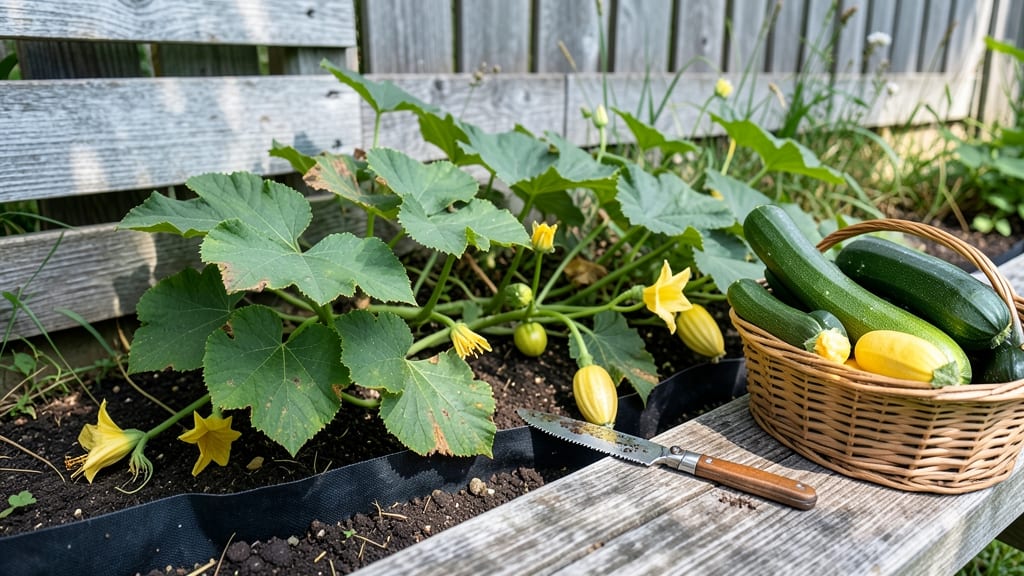
Squash is harvested when it reaches full size, its skin hardens, and the stem begins to dry—timing that makes all the difference between a mealy mess and a flavor-packed harvest.
Picture this: you’ve waited all season, and now your 🎃 plants are loaded with fruit. But if you pull them too soon, you’ll get bitter, seedy squash.
Too late, and they’ll turn tough and past their prime. Knowing the exact moment to harvest isn’t just about taste—it’s about maximizing storage life too.
Most summer squash, like zucchini, are ready in 55 days or when they’re glossy and firm to the touch. Winter varieties, such as butternut or acorn, take longer—often until early fall—and need that telltale hard rind before they’re prime. Miss these cues, and you risk wasting your hard work.
Below, I’ll walk you through the visual and tactile signs to watch for, common mistakes that ruin squash, and how to store your harvest so it lasts through the winter. Ready to get it right?
How to identify perfectly ripe squash by color, texture, and stem changes
Harvesting squash at the right moment transforms a good crop into an exceptional one. The difference between peak flavor and bland, seedy disappointment often comes down to recognizing three key ripeness cues: color shifts, stem changes, and skin texture.
Summer squash like zucchini and yellow crookneck need harvesting when still firm, while winter varieties like butternut and acorn develop hard rinds and vibrant hues. Missing these signs means losing both taste and storage potential.
For summer squash varieties, timing is everything—wait too long, and the flesh becomes fibrous. For winter squash, harvesting too early means missing out on sweetness that develops during curing.
Even acorn squash requires precise timing to balance sugar content and skin hardness. Let’s break down the exact visual and tactile clues you need to know for each type.
Color changes are your first indicator. Summer squash should be fully sized with a deep, consistent color (green for zucchini, yellow for pattypan). Winter squash develops rich, even tones—butternut turns golden, acorn deepens to orange-brown. A glossy sheen on the skin often signals ripeness, especially in varieties like spaghetti squash.
The stem drying is another critical clue. When the stem near the squash turns brown and feels papery, it’s time to harvest. This happens naturally as the plant redirects nutrients to mature fruit.
If you see green stems still attached, the squash isn’t ready yet. For winter squash, this drying process is essential for flavor development during curing.
Skin hardness is the final test. Press your fingernail into the squash skin—if it doesn’t puncture easily, it’s ripe. Summer squash should have a slight give but not be mushy, while winter squash becomes nearly impenetrable. This resistance ensures longer storage life and better texture when cooked.
| Squash Type | Color Cue | Stem Condition | Skin Test | Harvest Time |
|---|---|---|---|---|
| Summer Squash (Zucchini, Yellow Crookneck) | Deep, even color (green/yellow) | Stem starts drying at base | Firm but slightly yielding | 50-60 days after planting |
| Winter Squash (Butternut, Acorn) | Rich, consistent orange/brown | Stem fully dried and brown | Hard, resists fingernail | 80-100 days after planting |
| Acorn Squash | Deep green with orange-brown cap | Stem shriveled and papery | Thick, hard skin | 90-110 days after planting |
Don’t rely on size alone—some varieties like zucchini can grow oversized if left unchecked. Instead, combine all three cues: color consistency, stem drying, and skin hardness.
For example, a butternut squash with a golden hue and dried stem is ideal, while one still green and soft won’t store well.
Environmental factors also play a role. Hot, dry weather can accelerate ripening, so check squash more frequently during heatwaves. Conversely, cool, cloudy conditions may slow color development. Use a harvest calendar based on your planting date and local climate to stay ahead of these variations.
Once you’ve confirmed ripeness, harvest using a sharp knife or pruners to avoid damaging the vine. Leave a 1-inch stem attachment on winter squash—this helps prevent rot during curing.
For summer squash, cut cleanly to encourage more fruit production. Proper harvesting extends your garden’s yield and ensures every squash reaches its full flavor potential.
Pro tip: Morning harvests work best because squash firmness can fluctuate with temperature. Store freshly picked summer squash in the fridge for up to 5 days, while winter squash should cure in a warm, dry place for 10 days before storing.
These small adjustments make a huge difference in taste and shelf life.
Common harvesting mistakes that ruin squash flavor and storage life
Harvesting squash at the wrong time can turn a sweet, flavorful harvest into a bland, mealy disappointment. I’ve seen gardeners lose entire crops because they either picked too early—ending up with bitter, seedy squash—or waited too long, resulting in overripe, rotting vegetables.
Even worse, environmental factors like overcrowding or sun scorch can shorten shelf life before you even pick them.
One of the biggest mistakes is ignoring the stem condition. A dried, brown stem signals readiness, while a green, healthy one means the squash needs more time. I’ve learned the hard way that cutting too soon—before the stem dries—leads to premature spoilage.
Even worse, leaving squash on the vine past its prime causes mealy texture and reduced storage life, no matter how perfect it looked at first.
⚠️ callout warning
Waiting until squash turns yellow/orange (for winter varieties) or develops a hard rind means you’ve missed the sweet spot. Overripe squash loses moisture, becomes grainy inside, and stores poorly. For summer squash like zucchini, harvest when 6-8 inches long—any longer, and the seeds harden, making them bitter.
Another critical error is overcrowding plants, which stresses vines and attracts pests like squash bugs. I’ve had entire patches ruined because I didn’t thin my seedlings early enough. When squash compete for sunlight and nutrients, they grow unevenly and develop weak spots prone to rot or pest damage.
Always space vines 3-5 feet apart to ensure healthy growth and easier harvesting.
Sun scorch is another silent killer of squash quality. Direct afternoon sun can cause blotchy, discolored skin, which not only looks unappealing but also weakens the fruit’s ability to store well.
To prevent this, I use shade cloth during peak heat or plant squash near taller crops that provide natural shade. Even a few hours of afternoon relief can make a huge difference in storage life.
Pests like squash vine borers and cucumber beetles can also ruin your harvest before you even pick the fruit. I’ve lost entire crops to these insects because I didn’t monitor my plants closely enough.
Look for chewed leaves or wilted vines—early signs of infestation. Using row covers or neem oil sprays can protect your plants and keep your squash intact until harvest time.
Finally, never harvest squash with soft spots or bruises, even if it looks ripe. Damaged squash spoils faster and won’t store well. Always use a clean, sharp knife or pruners to cut the stem, leaving a small 1-inch stem attached.
This helps the squash heal and last longer in storage. With these tips, you’ll avoid the most common mistakes and enjoy perfectly ripe, flavorful squash all season long. 🎃