
Picking
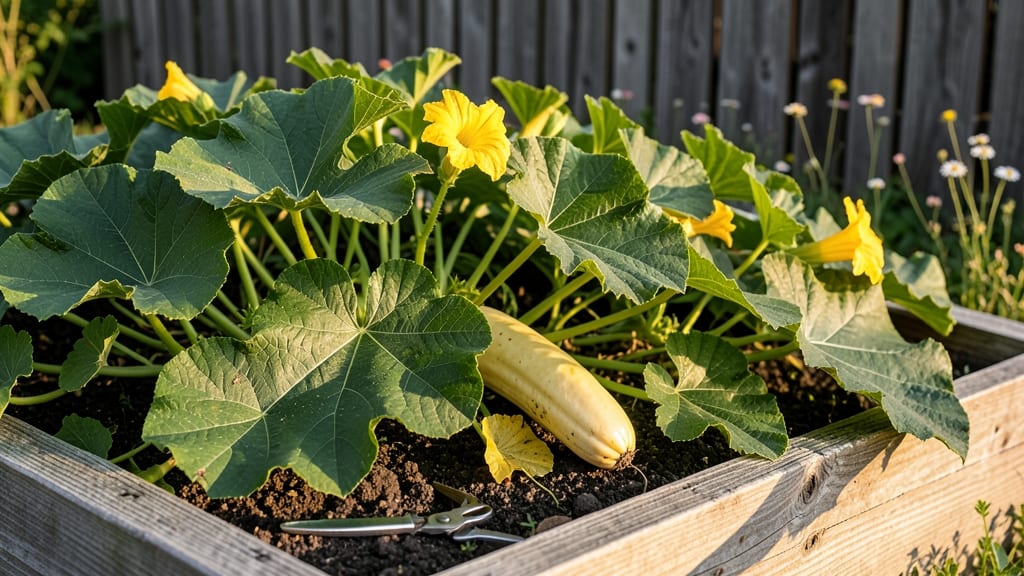
Growing spaghetti squash on the vine turns your garden into a pasta factory. 🌱 The secret to those silky, noodle-like strands lies in giving the vines exactly what they need—sun, space, and steady care—so they develop sweet, tender fruit instead of tough, fibrous ones.
Start with healthy vines in warm soil, then let them sprawl across trellises or hills for 90-110 days until the rind turns dull and hard to the touch. Water consistently but avoid soggy soil, and watch for pests like cucumber beetles—they’ll chew through young vines if you’re not careful.
When fully mature, the vines keep producing for weeks, giving you a steady supply of squash that’s easier to harvest than you’d think. Simply twist or cut the fruit from the vine, leaving the tendrils intact to keep the plant feeding itself.
This method works best in zones 3-10, though you’ll need to start seeds indoors in cooler climates. The payoff? Homegrown "noodles" that taste nothing like store-bought—rich, nutty, and ready to be roasted or mashed in minutes.
📚 In This Guide
- What you need
- Instructions
- Tips and common mistakes
- Wrapping up and next steps
What you need
- ● Spaghetti squash seeds: Choose a variety like ‘Golden Spaghetti’ or ‘Vegetable Spaghetti’—start with 3-5 seeds per plant (or 1-2 seeds per pot if transplanting).
- ● Well-draining soil: A mix of 60% potting soil, 30% compost, and 10% perlite or vermiculite (pH 6.0-7.0).
- ● Containers or garden bed: For vining: A 5-gallon pot or larger (minimum 18” diameter) with drainage holes.
- ● For in-ground planting: A sunny spot with at least 6-8 hours of light and 12-18” deep soil.
- ● Fertilizer: A balanced organic fertilizer (10-10-10) or compost tea for nutrient boosts.
- ● Mulch: Straw or shredded leaves to retain moisture and suppress weeds.
- ● Garden trowel or transplanting tool for planting.
- ○ Trellis or sturdy stakes (5-6 ft tall) to support vines (optional but helpful in small spaces).
- ● Drip irrigation or watering can for consistent moisture.
- ● Pruning shears to trim excess vines or yellowing leaves.
- ● Row covers or frost cloth for early-season protection (if in cooler climates).
- ● Harvesting knife or pruners for clean cuts when picking squash.
Step-by-step guide to growing spaghetti squash on the vine
This sun-loving vine produces tender, noodle-like flesh—here’s how to coax the best harvest from seed.
🌱 Step 1: Choose the Right Variety and Planting Time
Pick a vining spaghetti squash variety like 'Golden Delicious' or 'Honey Bear'—both thrive in warm climates and produce tender flesh. Plant seeds 2-3 weeks after your last frost date when soil reaches at least 60°F. I’ve found that starting seeds indoors 4-6 weeks before transplanting gives them a head start, especially in cooler regions.
Use biodegradable seedling pots to avoid disturbing roots when transplanting. Fill them with seed-starting mix and plant 1-2 seeds per pot at a depth of 1 inch. Keep the soil consistently moist but not soggy—overwatering can cause seed rot. Once seedlings show true leaves (not just the initial cotyledons), thin to the strongest one per pot.
☀️ Step 2: Prepare the Garden Bed for Maximum Sun and Space
Spaghetti squash needs full sun (6-8 hours daily) and plenty of space—vines sprawl 10-15 feet! Clear the area of weeds, then loosen soil to 12 inches deep with a garden fork. Mix in 2-3 inches of compost to enrich the soil, as squash is heavy feeders. I like to add a balanced fertilizer (10-10-10) at planting time to give them a nutrient boost.
Dig holes 2-3 feet apart in rows spaced 6 feet apart to prevent overcrowding. This gives vines room to spread without competing for sunlight. If space is limited, trellis the vines—just be prepared to handle heavier fruits later in the season. Water the soil deeply 24 hours before transplanting to reduce shock.
💧 Step 3: Transplant Seedlings and Provide Consistent Care
Transplant seedlings after the last frost, choosing a cloudy day or late afternoon to minimize stress. Bury the stem halfway up to encourage stronger root growth. Water immediately after planting to settle the soil and remove any remaining pots. Mulch around the base with 2-3 inches of straw or shredded leaves to retain moisture and suppress weeds.
Water deeply 2-3 times per week, aiming for 1-2 inches of water per week. Spaghetti squash is drought-tolerant once established, but consistent moisture prevents bitter fruit. Watch for yellowing leaves—this usually means underwatering, while mushy stems signal overwatering. Fertilize again 4-6 weeks after transplanting with a low-nitrogen, high-phosphorus fertilizer to support flowering and fruit development.
✂️ Step 4: Monitor for Pests and Harvest at Peak Ripeness
Keep an eye out for squash bugs and vine borers—handpick bugs early in the morning or use row covers to protect young plants. If you spot holes in leaves, prune affected areas immediately to prevent spread. I’ve also had success with neem oil sprays for organic pest control. Avoid over-fertilizing with nitrogen, as it encourages leafy growth at the expense of fruit.
Harvest when the skin turns hard and dull (usually 80-100 days after planting). Gently tap the fruit—if it sounds hollow, it’s ready. Cut the stem with a sharp knife, leaving 1-2 inches of stem attached to preserve freshness. Store in a cool, dry place for up to 2 weeks or cook immediately for the tenderest "noodles."
Tips & tricks for perfect spaghetti squash vine growth
Here's what nobody tells you about growing these sun-loving vines that make all the difference between good and great harvests.
Seed Starting Strategy: When starting seeds indoors 4-6 weeks before transplanting, place pots in a warm spot like on top of your fridge. The extra warmth helps seeds germinate faster and gives seedlings a stronger start. I've found that using clear plastic domes over pots creates a mini greenhouse effect, keeping humidity high and speeding up germination to about 5-7 days instead of the usual 10-14 days.
Soil Temperature Matters: That 60°F minimum soil temperature is non-negotiable for germination. I've ruined multiple batches by planting too early when soil was still cool. Use a soil thermometer to verify temperature before planting—it's worth the small investment. If your soil runs cold, consider using black plastic mulch to warm it up 2-3 weeks before planting time.
Transplanting Timing: The 24 hours before transplanting deep watering is crucial but often overlooked. This gives roots a chance to hydrate before the stress of moving. I like to do this in the evening so the soil stays moist through the night. Also, transplant on a cloudy day or late afternoon to reduce stress on delicate seedlings.
Pest Prevention: For those pesky squash bugs, I've had the most success with a combination of early morning handpicking and yellow sticky traps placed near plants. The traps catch adult bugs before they can lay eggs. If you notice holes in leaves, immediately remove and destroy affected foliage to prevent the spread of vine borers.
Pro Tips for Spaghetti Squash On The Vine
- Here's what nobody tells you about growing these sun-loving vines that make all the difference between good and great harvests.
- Seed Starting Strategy: When starting seeds indoors 4-6 weeks before transplanting, place pots in a warm spot like on top of your fridge.
- Soil Temperature Matters: That 60°F minimum soil temperature is non-negotiable for germination.
Frequently asked questions
Got questions about growing spaghetti squash on the vine? You’re not alone! Here are answers to the most common queries to help you cultivate this unique, vine-loving squash like a pro.
How long does it take for spaghetti squash vines to produce fruit?
Spaghetti squash vines typically take 90–120 days from planting to harvest, depending on your climate and variety. In warm regions, you might see fruit earlier, while cooler areas could extend the timeline. Start seeds indoors 4–6 weeks before the last frost to give vines a head start!
Can I grow spaghetti squash in containers, or does it need a big garden?
While spaghetti squash vines can sprawl 10+ feet, they thrive in large containers (at least 15–20 gallons) with trellises or sturdy supports. Opt for bushier varieties like ‘Early Golden’ if space is limited. Just ensure the pot has drainage and you’re ready to prune aggressively!
Why are my spaghetti squash flowers dropping off without fruiting?
Flower drop is often due to pollination issues, temperature swings (<32°F or >95°F), or nutrient deficiencies. Hand-pollinate with a soft brush, ensure consistent watering, and add phosphorus-rich fertilizer (like bone meal) during flowering. Bees love spaghetti squash—invite them with native plants!
When is the best time to harvest spaghetti squash?
Harvest when the rind turns hard and dull yellow (usually late summer to fall), and the stem dries up. Use a sharp knife to avoid damaging the vine. Wait until after the first frost if possible—cold sweetens the flesh! Pro tip: Store in a cool, dry place for 2–3 months for peak flavor.
What can I plant alongside spaghetti squash to improve growth?
Spaghetti squash loves companion plants like:
- Beans or peas (fix nitrogen in the soil)
- Marigolds (repel pests naturally)
- Corn (provides shade for young vines)
Wrapping up and next steps
Growing spaghetti squash on the vine is a rewarding adventure that brings vibrant color, easy harvests, and a unique culinary twist to your garden! 🌱 With the right sun, soil, and care, these sun-loving vines can deliver tender "noodles" straight from your backyard—year-round in warmer climates.
Whether you're a seasoned gardener or just starting, this versatile plant offers both beauty and bounty.
Now that you’re armed with the how-tos and FAQs, it’s time to roll up your sleeves and plant! Start small, experiment with varieties, and enjoy the process. Happy growing—and soon, you’ll be savoring homegrown spaghetti squash like never before! 🍽️✨