
Propagation
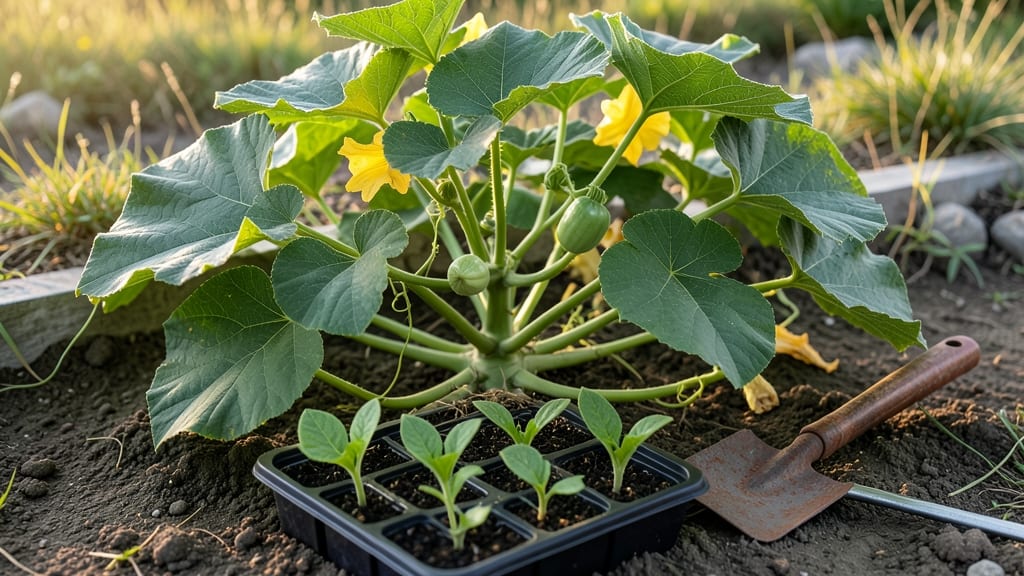
Summer squash seeds sprout in just 3-5 days when planted in warm soil—no waiting weeks like some vegetables. 🌱 I learned the hard way that rushing them in cool dirt means rot instead of vines, but once you hit the right conditions, those first green tendrils appear faster than you can say "zucchini."
The secret starts with soil temperature: aim for at least 60°F before planting. A simple soil thermometer (or your wrist—warm like bathwater) tells you when it's ready. Work in 2-3 inches of compost to boost fertility, and avoid fresh manure, which burns tender roots.
Spacing matters too: plant seeds 1 inch deep, then thin to 2-3 feet apart once they sprout—crowding leads to mildew and stunted growth. By week 3, you'll see foot-long vines with blossoms forming, and the first squash appears in 45-55 days.
The key is consistent moisture—1 inch per week—but never soggy soil. Mulch with straw to keep roots cool and water steady, and watch those vines take over your garden bed.
Works in zones 3-10, but adjust timing: plant after last frost in cooler climates, or start in early spring in warm zones. The biggest mistake? Planting too early—patience here means bigger harvests with fewer pests. Ready to grow? Let's get those seeds in the ground!
📚 In This Guide
- What you need
- Instructions
- Tips and common mistakes
- Wrapping up and next steps
What you need
- ● Summer squash seeds: Choose heirloom or hybrid varieties like Zucchini, Yellow Crookneck, or Patio Star. Buy 10-20 seeds (or more if sharing) for a bountiful harvest.
- ● Well-draining potting mix or garden soil: 3-5 gallons (or enough to fill your planting area). Amend with compost for nutrients.
- ● Containers or garden bed: Containers: 5-gallon pots (1 per plant) with drainage holes.
- ● Garden bed: 4–6 feet of space per plant in full sun (6+ hours/day).
- ● Watering can or hose: With a gentle spray nozzle for moisture control.
- ○ Gloves (optional): To protect hands from soil and prickly vines.
- ● Seedling heat mat: Speeds germination in cooler soils (70–90°F ideal).
- ● Row cover or shade cloth: Protects young seedlings from pests or intense sun.
- ● Fertilizer: Balanced 10-10-10 or compost tea for established plants.
- ● Mulch: Straw or grass clippings to retain moisture and suppress weeds.
- ● Trellis or cage: For bush varieties (e.g., Patio Star) to save space.
Step-by-step instructions for planting summer squash seeds
Summer squash thrives when planted directly in warm soil—here’s how to get fast, vigorous starts.
🌱 Step 1: Prepare the Soil for Fast Germination
Summer squash seeds germinate best in soil that’s at least 70°F—warmer than most spring gardens. Work in 2-3 inches of compost or well-rotted manure into the top 6 inches of soil to improve drainage and fertility. Squash roots need loose soil to spread, so avoid compacted areas. If your soil feels cool or dense, lay down black plastic mulch a week before planting to warm it naturally.
Test moisture by squeezing a handful—it should crumble slightly but not be dry. If it’s too wet, wait a day or two for excess moisture to evaporate. The goal is soil that holds moisture but doesn’t stay soggy, as squash roots rot easily in waterlogged conditions.
🌱 Step 2: Plant Seeds at the Right Depth and Spacing
Plant 4 seeds per hill (since germination rates vary) at a depth of 1 inch, pressing lightly but not packing the soil. Space hills 3-4 feet apart—squash plants spread widely, and crowding invites disease. I like to use a small stick to mark each hill’s location, especially if I’m planting multiple rows.
Don’t cover the seeds too deeply—they need warmth to sprout quickly. A light sprinkle of soil over them is enough. Water gently with a fine spray nozzle to avoid displacing seeds. You’ll see sprouts in 5-7 days if conditions are ideal, but cooler soil may delay germination by a week.
☀️ Step 3: Provide Warmth and Consistent Moisture
Summer squash seeds won’t germinate in cold soil, so protect them with row covers or a clear plastic tunnel if nighttime temps dip below 60°F. Remove covers once sprouts emerge to prevent overheating. Keep the soil evenly moist—not soggy, but never bone-dry. I water deeply every 2-3 days, checking the top inch of soil with my finger.
Watch for true leaves (the second set after the initial seed leaves) to appear—this signals strong root development. Once seedlings reach 2 inches tall, thin to the strongest plant per hill, snipping weaker stems at the base with clean scissors. This prevents competition and encourages faster growth.
✂️ Step 4: Support and Maintain Through Fruiting
As plants grow, mound soil around the base up to the first leaves to encourage deeper root systems. Summer squash benefits from trellising if space is limited—use sturdy stakes or a cage to support vines, especially for varieties like 'Straightneck' or 'Zucchini'. Prune suckers (small shoots in leaf axils) to direct energy into fruit production.
Fertilize lightly with a balanced organic fertilizer (like 5-5-5) when flowers appear, but avoid nitrogen-heavy feeds—too much leaf growth at this stage delays fruiting. Harvest squash when 6-8 inches long for peak flavor, using a sharp knife to cut stems cleanly. Regular picking encourages more production.
Tips & tricks for planting summer squash seeds
Fast germination is all about creating the right conditions—here's how to give your summer squash seeds the best possible start.
Soil Temperature is Everything: That 70°F minimum isn't arbitrary—summer squash seeds need warmth to activate their enzymes. I've planted in cooler soil and watched germination stretch to 14 days instead of the 5-7 days promised. Use a soil thermometer to confirm temps before planting, especially if your spring is unpredictable. For extra warmth, plant in raised beds or black plastic mulch areas first—they'll heat up faster than open ground.
Seed Depth Matters More Than You Think: The 1-inch depth recommendation might seem shallow, but summer squash seeds need that warmth to trigger germination. Planting deeper than 1.5 inches can delay sprouting by a week or more. Use your finger to create a small pocket just deep enough to cover the seeds, then press lightly to ensure good soil contact without compacting. A gentle pat with the back of your hand works better than stomping.
Watering Wisdom for Fast Starts: Those 2-3 days between waterings are ideal, but timing matters more than frequency. Water in the morning so excess moisture evaporates during the day, preventing fungal issues. I like to use a soaker hose set on low pressure—it delivers water directly to the roots without disturbing the soil surface where seeds are just starting to sprout. Avoid overhead watering until seedlings emerge to prevent seed displacement.
Thinning Strategy for Stronger Plants: When you're thinning to the strongest plant per hill, don't rush the process. Wait until seedlings reach 2 inches tall and have their first true leaves—this gives you the best visual cues for selecting the healthiest specimen. Use clean scissors to snip at the base rather than pulling, which can damage roots of remaining plants. The discarded seedlings make excellent compost when chopped up and returned to the soil.
Pro Tips for Planting Summer Squash Seeds
- Fast germination is all about creating the right conditions—here's how to give your summer squash seeds the best possible start.
- Soil Temperature is Everything: That 70°F minimum isn't arbitrary—summer squash seeds need warmth to activate their enzymes.
- Seed Depth Matters More Than You Think: The 1-inch depth recommendation might seem shallow, but summer squash seeds need that warmth to trigger germination.
Frequently asked questions
When is the best time to plant summer squash seeds?
Plant summer squash seeds after the last frost when soil temperatures reach at least 60°F (15°C). For most regions, this means late spring to early summer. Cold soil slows germination—so wait for warmth! If you’re in a short season, start indoors 2–3 weeks before transplanting.
How long does it take for summer squash seeds to germinate?
With the right conditions (warm soil, moisture, and sunlight), summer squash seeds typically sprout in 5–10 days. If germination takes longer than 2 weeks, check soil temperature—it might be too cool. Keep seeds moist but not soggy to speed up the process!
Can I plant summer squash seeds too close together?
Yes! Overcrowding leads to smaller fruits, poor airflow, and disease. Space seeds 1–2 inches apart in rows 3–4 feet apart. Thin seedlings to 2 feet apart once they’re 3–4 inches tall. This gives plants room to thrive and produce bigger squash.
What should I do if my summer squash seeds rot in the soil?
Seed rot usually means too much moisture or cold soil. To fix it:
- Ensure soil drains well (amend with compost if needed).
- Avoid overwatering—keep soil damp, not waterlogged.
- Plant seeds at the correct depth (1 inch deep) for proper airflow.
- Wait for warmer soil (use a soil thermometer if unsure).
Are there any alternatives to planting seeds directly in the ground?
You can:
- Start indoors: Sow seeds in biodegradable pots 2–3 weeks before transplanting.
- Use biodegradable seed starters (like peat pellets) for easy outdoor transfer.
- Grow in containers: Choose bush varieties (like ‘Eight Ball’) for small spaces.
Wrapping up and next steps
Planting summer squash seeds is a rewarding journey that leads to a bountiful harvest of delicious, versatile produce! With the right soil, timing, and care, you’ll enjoy fast germination and thriving plants in no time. Don’t let hesitation hold you back—grab those seeds and get growing! 🌱
Ready to take the next step? Start by marking your calendar for your last frost date, prep your garden bed, and soon you’ll be savoring homegrown squash straight from your soil. Happy planting!