
How To
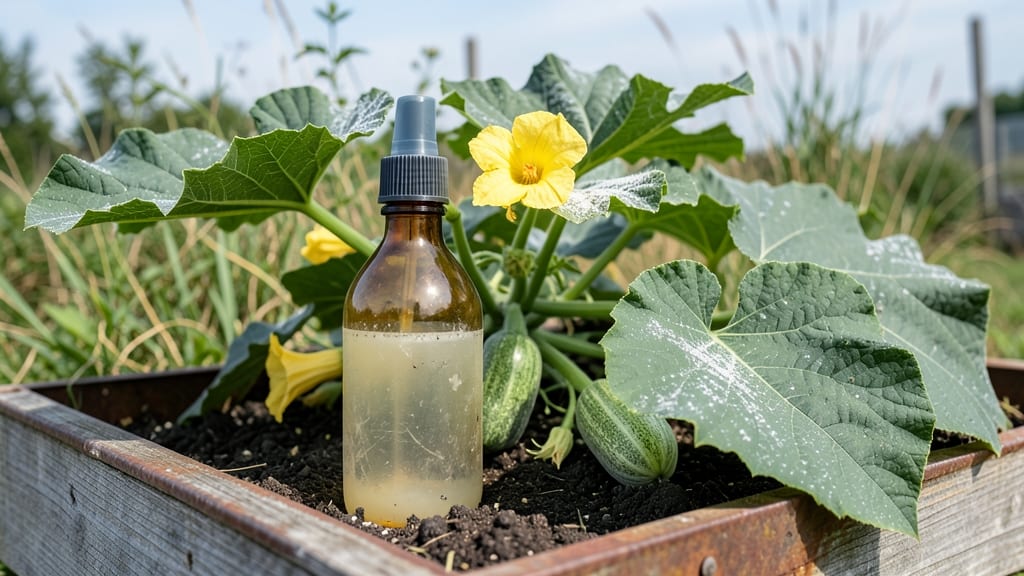
Learn how to treat powdery mildew on squash plants before it turns leaves into dusty white sheets overnight—and if you’ve ever watched it spread, you know how quickly it can ruin an entire harvest.
I've battled this fungal foe in my summer garden for years, and I've finally cracked the code on stopping it without harsh chemicals. The key? A simple organic spray that works when applied early and consistently.
Most gardeners panic when they see those telltale white spots because they assume it's too late to save the plant. But here's the thing—powdery mildew thrives in crowded, humid conditions, so the first step is always better airflow and spacing.
Once you thin out the vines and remove infected leaves, you can apply a foolproof homemade spray that actually works. My go-to mix uses ingredients you probably already have in your pantry.
Within 7-10 days of consistent treatment, you'll see new growth pushing through with clean, green leaves—no more powdery residue clinging to the foliage. The best part?
This method prevents mildew from coming back all season long, so you can enjoy healthy squash plants that produce vibrant green fruit until the first frost. No more wasted effort or disappointing harvests.
Works for all squash varieties—zucchini, pumpkins, and summer squash alike—and adapts to both container gardens and in-ground plots. The secret is acting fast and staying consistent, which I'll walk you through step by step. Let's get those plants back to thriving!
Why it happens
Powdery mildew isn’t just a random nuisance—it’s a highly strategic fungal invader that thrives on specific conditions your squash plants might be unknowingly providing. Understanding why it happens is the first step to stopping it before it ruins your harvest. Let’s break down the real culprits behind this pesky problem.
🌱 Overcrowded or Poorly Ventilated Plants
Squash plants love space, and powdery mildew loves closeness. When plants are too tightly packed, air can’t circulate properly, creating a perfect humidity trap on leaves. The fungus Erysiphe cichoracearum (the most common culprit) spreads via airborne spores, which land and germinate faster in stagnant, moist air.
- Why it matters: Poor airflow slows drying time after watering or dew, leaving leaves wet for hours—ideal for fungal growth.
- Actionable fix: Space squash plants 3–4 feet apart and prune lower leaves to improve airflow.
💦 Excessive Moisture on Leaves
Powdery mildew hates dryness but loves moisture. Unlike other fungal diseases, it doesn’t need standing water—just a light film of water on leaves for 6–8 hours. This happens from:
- Overhead watering (especially in the evening).
- Morning dew lingering until midday.
- Frequent light rains without drying periods.
The fungus germinates within 4–6 hours of leaf wetness, forming those telltale white, powdery spots. Humidity above 75% for prolonged periods accelerates its spread like a fungal wildfire.
🌞 Too Much Shade or Low Light
Squash plants are sun-worshippers, and weak, shaded leaves are powdery mildew’s favorite snack. When plants don’t get 6–8 hours of direct sunlight daily, they grow:
- Thinner cell walls (easier for fungal hyphae to penetrate).
- Higher sugar content (fungi feed on plant sugars, making shaded leaves a buffet).
- Slower drying after watering (shade = more humidity).
Pro tip: If your squash is in partial shade (like under trees), rotate plants weekly to expose all sides to sunlight.
🌡️ Warm Nights and Cool Days
Powdery mildew thrives in temperature swings, particularly when:
- Daytime temps: 60–80°F (15–27°C) (ideal for spore germination).
- Nighttime temps: 60°F (15°C) or above (prevents dew from evaporating quickly).
This perfect storm creates condensation on leaves overnight, giving the fungus a 24-hour head start each day. Hot, dry days followed by humid nights are especially risky—think of it as the fungal equivalent of a heatwave party.
🌾 Weak or Stressed Plants
Healthy squash plants fight off powdery mildew naturally thanks to their waxy leaf coatings and strong immune responses. But when they’re stressed, they become fungal magnets. Common stressors include:
- Nutrient deficiencies (especially phosphorus or potassium, which weaken cell walls).
- Drought or overwatering (both disrupt root health).
- Pests like squash bugs or aphids (their honeydew feeds mildew).
- Transplant shock (newly planted squash are vulnerable for 2–3 weeks).
Key fact: Stressed plants produce more sugars in their leaves, which attracts fungal spores like a beacon.
Fix Powdery Mildew for Good
Powdery mildew may seem like a stubborn foe, but with the right strategies, you can reverse the damage and protect your squash plants for future harvests. The key is acting fast—once the white, powdery film spreads, it weakens plants and reduces yields.
Below, we’ll tackle the most common causes and match them with easy, effective fixes, plus prevention tips to keep your garden mildew-free.
Cause: Poor circulation from crowded plants traps moisture, giving mildew a perfect breeding ground. Solution:
- Prune aggressively 🔪: Remove lower leaves touching the soil (they’re the first to get infected). Snip off any heavily mildewed foliage—don’t compost it (bag it for trash).
- Space plants wider 📏: Squash vines need 3–4 feet of space between plants. If growing in containers, ensure pots are at least 12 inches apart.
- Train vines upward 🪜: Use trellises or cages to lift squash off the ground. This improves airflow and dries leaves faster after watering.
💡 Pro Tip: If you’re dealing with bush varieties (like zucchini), thin seedlings early to avoid future headaches.
Cause: Wet leaves for long periods create a damp environment mildew loves. Solution:
- Water at the base only 💧: Use a soaker hose or drip irrigation to deliver water directly to the soil. Avoid overhead sprinklers—especially in the evening (morning watering lets leaves dry by night).
- Water early ⏰: Aim for 6–8 AM so foliage has 4+ hours of sunlight to dry completely.
- Improve drainage 🚿: If your soil stays soggy, amend it with compost or perlite to help water drain faster.
⚠️ Warning: Never water squash plants in the late afternoon or evening—this is a surefire way to fuel mildew growth.
Cause: Existing mildew needs immediate treatment to stop its spread. Solution: Here are three top organic sprays—pick one and apply every 7–10 days until the problem clears:
| Spray | How to Use | Best For |
|---|---|---|
| Baking Soda Mix | 1 tbsp baking soda + 1 tsp dish soap + 1 gallon water. Spray directly on leaves (avoid flowers). | Early-stage mildew, prevention. |
| Neem Oil | 1 tbsp neem oil + 1 tsp horticultural oil + 1 quart water. Shake well and spray evenly. | Severe infestations, systemic control. |
| Milk Spray | 1 part raw milk (or powdered milk) + 9 parts water. Spray daily for 3 days, then weekly. | Fast-acting, boosts plant immunity. |
🔥 Hot Tip: For neem oil, add a drop of Castile soap to help it stick to leaves. Test sprays on a few leaves first to check for sensitivity.
Cause: Weak or stressed plants are more susceptible to mildew. Solution: - Fertilize wisely 🌱: Use a balanced organic fertilizer (like 5-5-5) once mid-season to boost plant health.
Avoid high-nitrogen fertilizers—they promote leafy growth but weaken defenses. - Companion plant 🌿: Interplant squash with marigolds, garlic, or thyme—these repel pests and improve airflow. - Mulch heavily 🍂: Apply 2–3 inches of straw or shredded leaves around plants to reduce soil splash onto leaves.
✨ Bonus: A weak solution of compost tea (1:10 ratio) sprayed on leaves can enhance natural resistance.
Once your squash plants recover, lock in their defenses with these long-term strategies:
- Rotate crops 🔄: Avoid planting squash (or cucurbits) in the same spot next year—fungi linger in the soil.
- Choose resistant varieties 🌱: Opt for mildew-resistant squash like ‘Defender’ zucchini or ‘Butternut Keep’.
- Sanitize tools 🧼: Clean pruners and trellises with rubbing alcohol between uses to prevent spreading spores.
- Monitor daily 👀: Check undersides of leaves every 2–3 days—early detection = easier fixes.
- Don’t use copper sprays (they can burn leaves and harm beneficial insects).
- Avoid plastic mulch (traps moisture—use landscape fabric instead).
- Don’t ignore the soil (fungi thrive in compacted or waterlogged ground).
With these targeted fixes, your squash plants should bounce back in 2–4 weeks. Stay consistent with airflow, watering, and sprays, and you’ll outsmart powdery mildew before it ruins your harvest! 🎉
Frequently asked questions
Can I still harvest squash if the leaves have powdery mildew?
The fruit itself won't get infected, so you can safely harvest any squash that's already formed! Focus on removing infected leaves to redirect the plant's energy to producing more fruit. Just avoid harvesting from heavily infested plants—prioritize those with clean foliage to keep the harvest going strong.
How often should I apply the baking soda spray?
Start with once every 7 days until you see new growth without mildew, then switch to every 2 weeks for prevention. The key is consistency—don't skip applications during humid weather. Mix fresh spray each time for maximum effectiveness, especially after rain.
Will neem oil harm bees or other pollinators?
Neem oil is safe for bees when applied after 4 PM and only when flowers aren't open. For extra protection, avoid spraying during peak bloom periods. If you have lots of pollinators, consider the milk spray instead—it's bee-friendly and equally effective against mildew.
Can I use the same spray recipe for other vegetables?
Yes! The baking soda and milk sprays work on cucumbers, melons, and even roses. Neem oil is also versatile for tomatoes, peppers, and leafy greens. Just adjust the concentration slightly for delicate plants—always test on a small area first to check for sensitivity.
What if my squash plants are already completely covered?
Don't panic—prune back 75% of the foliage to remove infected leaves, then focus on neem oil treatment applied every 3-4 days for two weeks. The plant will regrow healthier leaves faster than you think. For severe cases, consider replanting resistant varieties next season.