
Pests
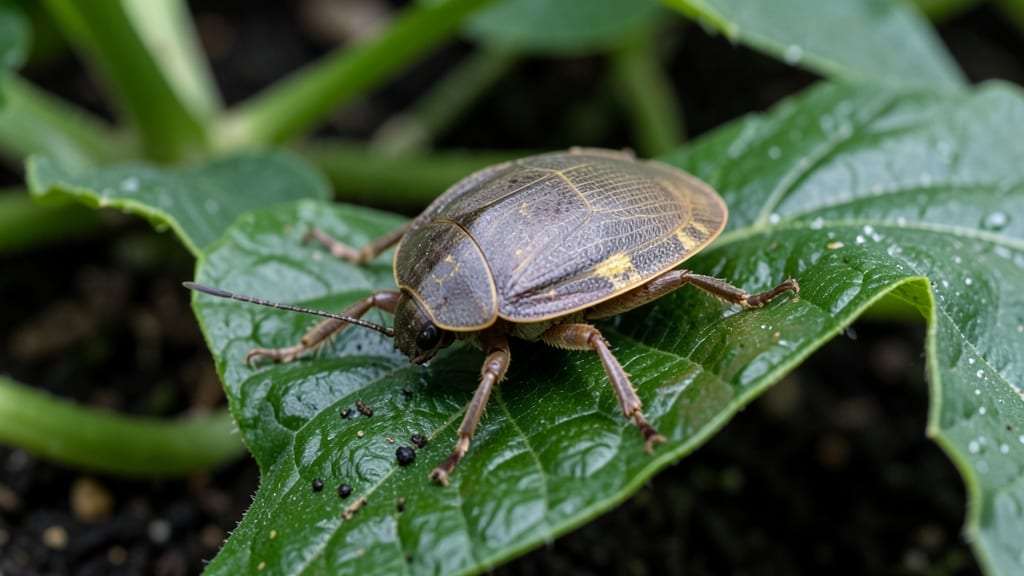
Learn how to get rid of squash bugs fast—those tiny gray invaders can wipe out your patch in days, but these strategies work without harsh chemicals. 🌱 The key is catching them early, before they multiply into an unstoppable army.
Squash bugs hide under leaves and lay eggs on stems, so check your plants weekly after warm weather arrives. A simple soapy water spray or neem oil disrupts their life cycle, while yellow sticky traps catch adults before they lay eggs.
For severe infestations, kaolin clay creates a barrier they can’t cross.
By mid-summer, your squash will thrive without a single bug in sight. The plants stay vibrant and productive, and you avoid the heartbreak of watching vines collapse. This method works for both backyard gardens and container-grown plants.
Prevention is easier than cleanup—companion planting with nasturtiums or marigolds deters them naturally. Once you’ve mastered these techniques, you’ll never fear squash bugs again. Let’s get your garden back on track!
The Real Culprits Behind Squash Bugs
Squash bugs aren’t just random pests—they’re drawn to your garden by specific conditions that create the perfect breeding ground. Understanding these triggers is the first step to stopping them in their tracks.
Let’s break down the science behind why these stubborn invaders show up and how they exploit your garden’s weaknesses.
Squash bugs have a knack for targeting stressed or decaying plants. Here’s why: - Sugar-rich sap: When squash plants are overripe, wounded, or dying, their sap becomes sweeter and more nutrient-dense—an all-you-can-eat buffet for squash bugs.
Females even lay eggs in cracks or soft spots on leaves, ensuring their nymphs have instant access to food. - Weakened defenses: Healthy plants produce compounds that deter pests, but stressed plants lose this protection.
Look for yellowing leaves, wilting vines, or fruit with soft spots—these are red flags. - Moisture buildup: Overwatered or poorly drained soil creates the perfect humidity for squash bug eggs to hatch and thrive. A soggy garden is like a five-star hotel for these pests.
Actionable insight: Rotate crops annually, prune damaged leaves promptly, and avoid overwatering. Healthy plants are the best deterrent!
Squash bugs love hiding in clutter. Here’s how your garden’s mess helps them: - Egg-laying havens: Females prefer to deposit eggs in protected areas, like under leaves, in thick mulch, or along garden edges.
A single female can lay up to 300 eggs in clusters, and these eggs are nearly invisible until they hatch into ravenous nymphs. - Overwintering spots: Even in cold weather, squash bugs hide in leaf litter or garden debris to survive.
If you skip fall cleanup, they’ll return stronger in spring. - Mulch traps: While mulch conserves moisture, thick layers (especially organic mulch like straw or grass clippings) provide shelter. Squash bugs crawl through it undetected, feasting on nearby plants.
Actionable insight: Clear garden beds of debris in fall and spring, and use minimal mulch (or inorganic options like gravel) near squash plants.
Squash bugs are cold-blooded and thrive in specific temperature ranges: - Ideal temperatures: They become active when soil temps reach 60–70°F (15–21°C).
Greenhouses, south-facing garden beds, or areas near fences/walls create microclimates that stay warm longer, giving them an early start. - Shady spots: While they need warmth, they also avoid direct sun.
Dappled shade (like under a trellis or tall plants) lets them stay active without overheating. - Urban heat islands: Pavement or dark mulch can raise soil temps, making city gardens prime squash bug hotspots.
Actionable insight: Monitor soil temps in your garden. If squash bugs are a recurring issue, consider reflective mulch or shade cloth to disrupt their comfort zone.
Squash bugs don’t just target your prized pumpkins—they’ll dine on almost any cucurbit (a plant family that includes): - Wild cucurbits: Plants like buffalo gourd (Cucurbita foetidissima) or wild cucumber act as reservoirs for squash bugs.
Even if you don’t grow these, they might be lurking in overgrown areas nearby. - Volunteer squash plants: Stray squash sprouts from last year’s seeds give squash bugs a head start.
One overlooked plant can become a breeding ground. - Crop rotation failures: Planting squash in the same spot year after year (without a 3-year break) leaves behind squash bug survivors in the soil.
Actionable insight: Remove all cucurbit debris after harvest, and rotate crops with non-host plants like beans, tomatoes, or herbs.
Squash bugs face few enemies in a well-maintained garden, but their predators will show up if you create the right conditions: - Missing beneficial insects: Birds, spiders, big-eyed bugs, and parasitic wasps (like Trichopoda pennipes) hunt squash bugs—but they need shelter and food to stick around. - Pesticide overuse: Broad-spectrum chemicals kill both pests and their predators, leaving squash bugs unchecked.
Even "organic" sprays can disrupt the balance. - Monoculture gardens: Planting only squash creates a feast-or-famine scenario for predators. A diverse garden keeps them fed year-round.
Actionable insight: Plant dill, fennel, or marigolds to attract predatory insects, and avoid unnecessary spraying until squash bugs become a visible threat.
💡 Pro Tip: Squash bugs are most active in early morning or late afternoon when humidity is high. Check plants during these times to spot eggs or nymphs before they multiply!
Practical Fixes for Squash Bugs
Squash bugs are relentless, but with the right approach, you can reclaim your garden. Below are targeted solutions based on the most common causes—from early intervention to long-term prevention. Each method is designed to be effective, safe, and easy to implement, whether you prefer hands-on control or natural deterrents.
Squash bugs thrive in stealth, so catching them early is your best defense.
- 👀 Inspect plants daily: Check the undersides of leaves, stems, and soil surface for flat, brown oval bugs (adults) or tiny orange eggs (clusters under leaves).
- 🧼 Remove eggs manually: Use a soft brush or damp cloth to scrape off egg masses and drop them into soapy water (1 tbsp dish soap per gallon). Pro tip: 💡 Do this in the morning—eggs are most vulnerable when damp.
- 🍂 Prune damaged foliage: Destroy infested leaves immediately (don’t compost them!) to prevent further spread.
Squash bugs are attracted to moisture and decay, so turn their weaknesses into traps.
- 🥘 Beer trap (simple & effective): - Fill a shallow dish with beer (or a mix of water + a few drops of dish soap). - Bury it neck-deep in soil near squash plants.
The bugs crawl in and drown within hours. - Refresh every 2–3 days for maximum effectiveness.
- 🌿 Yellow sticky traps:
- Hang yellow cards coated in petroleum jelly near plants. Squash bugs (and other pests) get stuck trying to land.
- Best for early detection—check traps weekly and replace as needed.
Skip the harsh chemicals and try these plant-safe sprays that squash bugs hate.
| Spray Recipe | How to Use | Why It Works |
|---|---|---|
| Soap spray | Mix 1 tbsp castile soap + 1 quart water. Spray directly on bugs (avoid blooms). | Breaks their waxy outer layer, causing dehydration. |
| Neem oil solution | Combine 1 tbsp neem oil + 1 tsp dish soap + 1 quart water. Spray evening/early morning. | Disrupts feeding and reproduction. |
| Garlic & chili spray | Blend 3 garlic cloves + 1 tbsp cayenne pepper + 1 quart water. Strain and spray. | Strong odor repels bugs; capsaicin irritates them. |
⏰ Best timing: Apply sprays when bugs are active (early morning or late evening) and repeat every 3–5 days until gone.
For large infestations, manual removal is your fastest win.
- 🕵️♂️ Handpick adults:
- Wear gloves and crush bugs between your fingers (or drop them into soapy water).
- Focus on: Leaf axils, stems, and under leaves where they hide.
- 🪒 Use a vacuum:
- A shop vac with a fine nozzle can suck up bugs without damaging plants.
- Empty the bag immediately into a sealed trash bag outside.
🌡️ Heat trick: On sunny days, cover plants with clear plastic wrap for 1–2 hours. The trapped heat kills eggs and nymphs (test on a small area first).
Once you’ve eliminated squash bugs, prevent their return with these low-effort strategies:
- 🌱 Rotate crops: Avoid planting squash, pumpkins, or cucumbers in the same spot year after year. - 🪴 Use row covers: Floating row covers (lightweight fabric) block bugs from laying eggs while allowing pollination. - 🌿 Mulch smartly: Use straw or grass clippings (not wood chips)—squash bugs avoid dry mulch. - 🌞 Improve airflow: Space plants 3–4 feet apart to reduce humidity, making your garden less inviting. - 🐛 Introduce predators: - Ground beetles, spider mites, and ladybugs eat squash bug eggs.
Attract them with diverse plantings and avoiding pesticides.
🎯 Final Tip: Combine methods for best results. For example:
- Morning: Handpick bugs + beer traps.
- Evening: Spray neem oil + check sticky traps.
- Weekly: Inspect plants and remove eggs.
With consistency, your squash bugs will be history—and your garden will thrive! 🌱💪
Frequently asked questions about squash bugs
Why do squash bugs appear suddenly in my garden?
Squash bugs often emerge when soil temperatures reach 60–70°F (15–21°C)—typically in late spring or early summer. Females lay 300 eggs in clusters under leaves, which hatch quickly into nymphs. Check plants weekly after warm weather arrives to catch them early.
Can I use vinegar to kill squash bugs?
While vinegar can kill adult squash bugs on contact, it’s not the best long-term solution. Mix 1 part white vinegar with 1 part water and spray directly on bugs (avoid plants). For better results, combine it with soapy water or use neem oil instead.
How do I know if my squash plants are dying from squash bugs or disease?
Squash bugs cause wilting, yellowing leaves, and blackened veins—often starting at the edges. Check undersides of leaves for tiny orange eggs or brown adults. Disease symptoms (like powdery mildew) usually appear as white fuzzy patches or spots on leaves, not wilting.
Will ducks or chickens eat squash bugs?
Yes! Free-range ducks and chickens love squash bugs—they’re a protein-rich snack. Let them forage in your garden (especially after harvest) to naturally control populations. Just supervise to avoid damage to young plants or fruit.
Can I save my squash plants if they’re already heavily infested?
It depends on the stage. If only a few bugs are present, handpick them and spray with neem oil. For severe damage, remove entire infested plants (don’t compost!) and treat remaining plants aggressively. If the plant is already dying, focus on protecting nearby crops.